
Historical · U.S. House · Pennsylvania · District 23
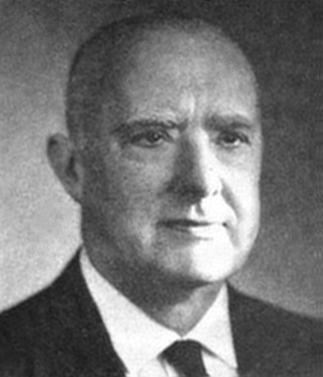
Leon Gavin
Former U.S. Representative · Pennsylvania District 23 · 1943–1965 · Republican
Leon Gavin represented Pennsylvania's District 23 in the United States House of Representatives (1943–1965) for the Republican party. The page below collects sourced biographical facts, term history, committee roles, and provenance for Gavin.
Bioguide ID: G000102
Key facts
- Full name
- Leon Gavin
- State
- Pennsylvania
- District
- District 23
- Party
- Republican
- House service
- 1943–1965
- First House term
- 1943
- Status
- Left office
- Current term ends
- —
- Born
- 1893
- Bioguide ID
- G000102
- Committee assignments
- —
- Dataset version
- 1.20260605
Biographical narrative
995 words · sourced from the Wikipedia REST extract
Leon Gavin was a prominent Republican politician who served as a U.S. Representative for Pennsylvania's 23rd congressional district. His congressional career spanned over two decades, during which he was elected to eleven consecutive terms in the House of Representatives. Gavin's tenure in Congress began in 1943 and continued until his death in 1963. He was known for his involvement in various legislative matters and for his service to his country during World War I. His contributions to both local and national governance have left a lasting impact on his constituents and the political landscape of Pennsylvania.
Early life and career
Leon Harry Gavin was born on February 25, 1893, in Buffalo, New York. His early life in Buffalo laid the foundation for his future endeavors, but in 1915, he relocated to Oil City, Pennsylvania. This move marked a significant transition in his life, as he became actively involved in the community and local governance. Gavin's commitment to public service was evident early on, as he served in various capacities that showcased his leadership skills and dedication to civic engagement.
During World War I, Gavin served in the United States Army, where he held the rank of sergeant in the Fifty-first Infantry Regiment of the 6th Infantry Division. His military service not only demonstrated his patriotism but also provided him with experiences that would shape his views and policies in later years. After the war, Gavin continued to contribute to his community by serving on the Defense Council of Venango County, Pennsylvania. This role involved coordinating local efforts to support the war effort and manage resources effectively during a time of national crisis.
In addition to his military and civic duties, Gavin was appointed to the State Board of Appeals of the Selective Service System. This position allowed him to participate in the administration of the draft and address appeals from individuals regarding their military service obligations. His involvement in these matters reflected his commitment to ensuring fairness and due process during a tumultuous period in American history.
Gavin's professional career also included a significant role as the executive secretary of the Oil City Chamber of Commerce. In this capacity, he worked to promote local businesses and foster economic development in the region. His efforts contributed to the growth and prosperity of Oil City, making him a respected figure in the community. Furthermore, from 1958 to 1963, he served as a member of the National Migratory Bird Conservation Commission, where he focused on environmental conservation and the protection of wildlife habitats.
House tenure
Gavin's political career in the U.S. House of Representatives began when he was elected as a Republican to the 78th United States Congress. His first term commenced on January 3, 1943, and he would go on to serve in ten additional Congresses, totaling eleven terms in office. His long tenure is indicative of his ability to connect with constituents and address their needs effectively.
Throughout his time in Congress, Gavin was involved in various legislative initiatives and discussions that were significant to his district and the nation. His consistent re-elections suggest a strong support base among voters in Pennsylvania's 23rd district, reflecting his effectiveness as a representative. Gavin's political career was marked by a commitment to his constituents, as he worked to advocate for their interests and address the challenges facing the region.
Gavin's legislative work spanned a period of significant change in American society, including the post-World War II era, the civil rights movement, and various domestic and foreign policy issues. His ability to navigate these complex issues and contribute to the legislative process was a hallmark of his time in office. Gavin's dedication to public service and his constituents was evident in his active participation in debates and discussions on key issues affecting the nation.
Gavin's life came to an untimely end on September 15, 1963, when he passed away from a cerebral hemorrhage in Washington, D.C. His death marked the conclusion of a notable political career that had a lasting impact on his community and the broader political landscape. Following his passing, he was interred in Arlington National Cemetery, a recognition of his military service and contributions to the nation.
Legislative focus and committees
During his extensive tenure in the House of Representatives, Leon Gavin focused on a variety of legislative issues that were pertinent to his constituents and the nation as a whole. His voting record included support for significant civil rights legislation, reflecting a commitment to advancing social justice and equality. Gavin voted in favor of the Civil Rights Acts of 1957 and 1960, which aimed to address racial discrimination and protect the voting rights of African Americans. These votes positioned him as a participant in the broader civil rights movement, which sought to dismantle systemic racism and promote equal rights for all citizens.
In addition to his support for civil rights, Gavin also voted in favor of the 24th Amendment to the U.S. Constitution, which prohibited the use of poll taxes in federal elections. This amendment was a crucial step in ensuring that financial barriers did not prevent citizens from exercising their right to vote, further demonstrating Gavin's commitment to democratic principles and the protection of individual rights.
Gavin's involvement in various committees during his time in Congress allowed him to influence policy and contribute to discussions on a range of issues. While specific committee assignments are not detailed in the available information, it is common for members of Congress to serve on committees that align with their interests and the needs of their constituents. These committees play a vital role in shaping legislation, conducting oversight, and addressing the concerns of the public.
Overall, Leon Gavin's legislative focus and committee work reflected his dedication to serving the people of Pennsylvania's 23rd district and addressing the pressing issues of his time. His long-standing commitment to public service and active participation in the legislative process left a significant mark on both his community and the nation.
Notable legislation
Sponsored and co-sponsored legislation for Leon Gavin is pending operator curation. The biographical narrative above carries the same provenance trail until per-bill rows are written.
Sources
- [1]https://en.wikipedia.org/wiki/Leon_H._GavinWikipedia · retrieved 2026-06-05
Notable quotes
Sourced quotes for Leon Gavin are pending operator curation. Narrative-scope provenance remains attached below.
Sources
- [1]https://en.wikipedia.org/wiki/Leon_H._GavinWikipedia · retrieved 2026-06-05
Key positions
Curated policy positions for Leon Gavin are pending operator review. The biographical narrative above carries the same provenance trail until per-topic positions are written.
Sources
- [1]https://en.wikipedia.org/wiki/Leon_H._GavinWikipedia · retrieved 2026-06-05
Terms served
- 1943–1945U.S. House · Term 1 · Republican
- 1945–1947U.S. House · Term 2 · Republican
- 1947–1949U.S. House · Term 3 · Republican
- 1949–1951U.S. House · Term 4 · Republican
- 1951–1953U.S. House · Term 5 · Republican
- 1953–1955U.S. House · Term 6 · Republican
- 1955–1957U.S. House · Term 7 · Republican
- 1957–1959U.S. House · Term 8 · Republican
- 1959–1961U.S. House · Term 9 · Republican
- 1961–1963U.S. House · Term 10 · Republican
- 1963–1965U.S. House · Term 11 · Republican
Sources & provenance
Every attributable claim above carries a per-section [N] marker that resolves to the corresponding URL below. Each entry records the upstream provider, the canonical URL, and the timestamp at which the source was retrieved by the ingest pipeline.
Key facts
- https://bioguide.congress.gov/search/bio/G000102bioguide · retrieved 2026-06-05
- https://www.govtrack.us/congress/members/404474govtrack · retrieved 2026-06-05
Biographical narrative
- https://en.wikipedia.org/wiki/Leon_H._Gavinwikipedia · retrieved 2026-06-05
Find your representative
Every U.S. state elects representatives by district. Browse Pennsylvania’s delegation, the full former-representative roster, or explore the role and term length.
Related on The Candidate
- Preceded by Don GingeryEarlier holder of the Pennsylvania District 23 House seat · Democratic.Open
- Succeeded by Joseph AmmermanLater holder of the Pennsylvania District 23 House seat · Democratic.Open
- Adam SeybertFormer U.S. Representative · Pennsylvania District 1 · RepublicanOpen
- Benjamin SayFormer U.S. Representative · Pennsylvania District 1 · RepublicanOpen
- Chapman FreemanFormer U.S. Representative · Pennsylvania District 1 · RepublicanOpen
- Harry RansleyFormer U.S. Representative · Pennsylvania District 1 · RepublicanOpen