
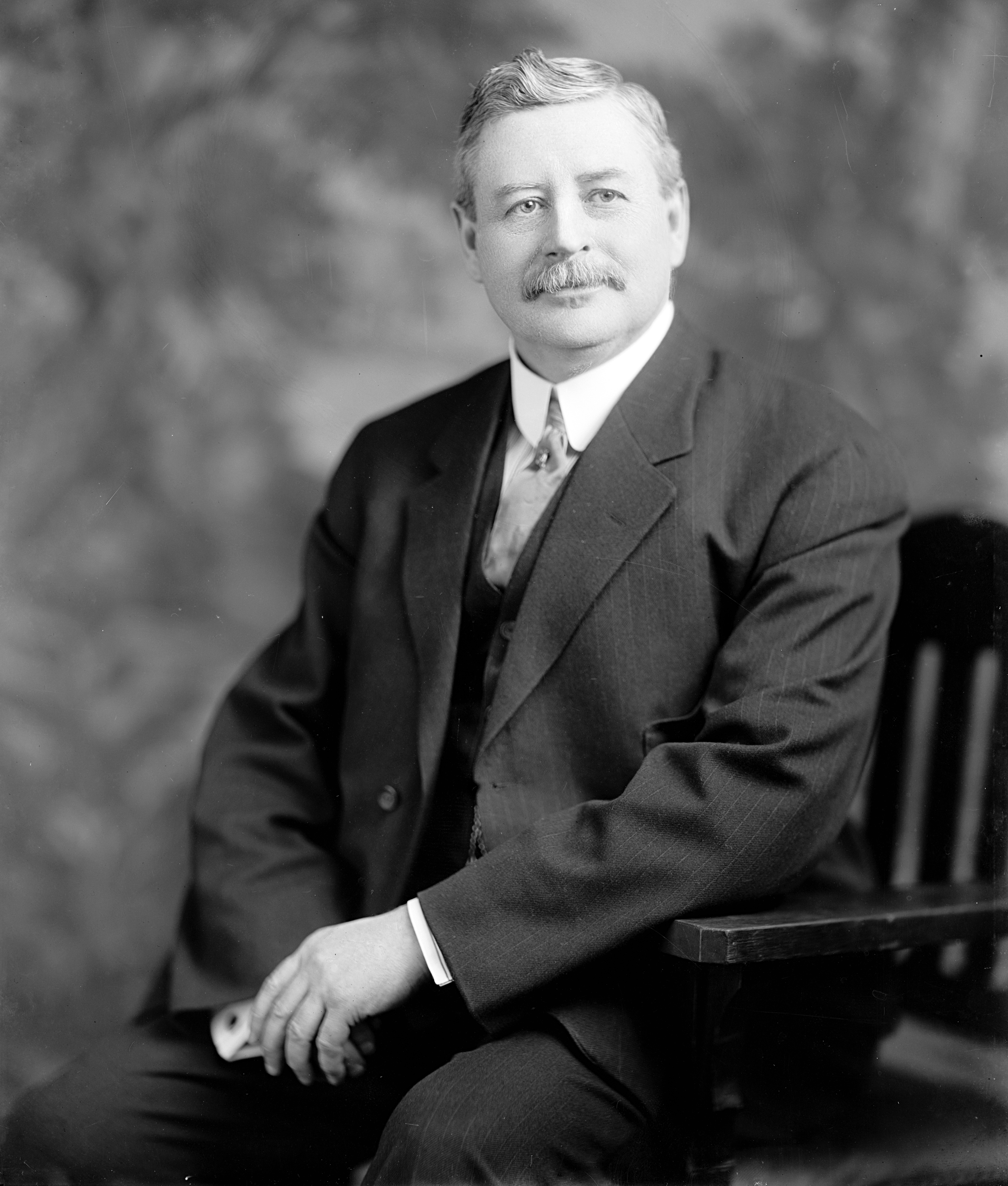
Historical · U.S. House · Pennsylvania · District 28
Peter Speer
Former U.S. Representative · Pennsylvania District 28 · 1911–1913 · Republican
Peter Speer represented Pennsylvania's District 28 in the United States House of Representatives (1911–1913) for the Republican party. The page below collects sourced biographical facts, term history, committee roles, and provenance for Speer.
Bioguide ID: S000712
Key facts
- Full name
- Peter Speer
- State
- Pennsylvania
- District
- District 28
- Party
- Republican
- House service
- 1911–1913
- First House term
- 1911
- Status
- Left office
- Current term ends
- —
- Born
- 1862
- Bioguide ID
- S000712
- Committee assignments
- —
- Dataset version
- 1.20260606
Biographical narrative
848 words · sourced from the Wikipedia REST extract
Peter Speer was a Republican politician who served as a U.S. Representative for Pennsylvania's 28th congressional district during the early 20th century. His tenure in the House of Representatives began in 1911 and concluded in 1913. Born on December 29, 1862, Speer was a prominent figure in Pennsylvania's political landscape, particularly in the region surrounding Oil City. Following his congressional service, he continued his career in law and held significant positions within the corporate sector, notably with the Standard Oil Company. He passed away on August 3, 1933, in New York City.
Early life and career
Peter Moore Speer was born near Oil City, Pennsylvania, a location that would play a significant role in his life and career. His early education included attendance at several institutions, including Allegheny College in Meadville and Westminster College in New Wilmington. He ultimately graduated from Washington and Jefferson College in Washington, Pennsylvania, in 1887. Following his graduation, Speer pursued a legal career, studying law and subsequently being admitted to the bar in 1889. He began his legal practice in Oil City, where he established a reputation as a capable attorney.
Speer’s involvement in local governance began when he was elected as the district attorney of Venango County, serving from 1891 to 1893. This role marked his entry into public service and allowed him to engage with the legal and political issues of his time. Following his tenure as district attorney, he served as the city solicitor for Oil City from 1895 to 1906. His legal expertise and commitment to public service were further demonstrated when he was elected to the Pennsylvania State House of Representatives, where he served during the years 1897 and 1898. These experiences laid the groundwork for his future political career and provided him with valuable insights into legislative processes and community needs.
House tenure
Peter Speer was elected to the U.S. House of Representatives as a member of the Republican Party, representing Pennsylvania's 28th congressional district. His election to the Sixty-second Congress marked a significant milestone in his political career, as he transitioned from state-level politics to the national stage. Speer's term in the House began in 1911, during a period characterized by significant social and political changes in the United States. His time in Congress was marked by the complexities of early 20th-century American politics, which included issues related to industrialization, labor rights, and economic reform.
Despite his efforts and contributions during his term, Speer was unable to secure reelection in 1912. The political landscape was shifting, and the Republican Party faced challenges that would impact many of its members. Following his departure from Congress, Speer returned to his legal practice in Oil City, where he continued to apply his legal acumen in various capacities. His experience in the House provided him with a unique perspective on the legislative process, which he would carry into his subsequent professional endeavors.
Legislative focus and committees
During his time in the House of Representatives, Peter Speer was involved in various legislative matters that reflected the interests and concerns of his constituents in Pennsylvania. While specific details regarding the committees he served on or the legislation he sponsored are not provided, it is common for members of Congress to engage with issues pertinent to their districts, such as infrastructure development, economic policies, and social welfare programs. Speer’s background as a lawyer and his experience in local government likely informed his approach to legislative matters, allowing him to advocate effectively for his constituents.
After his congressional tenure, Speer transitioned to a prominent role in the corporate sector. In 1918, he moved to New York City, where he continued his legal practice. His career took a significant turn when he became the assistant general counsel for the Standard Oil Company, a major player in the American oil industry. Speer's legal expertise was further recognized when he ascended to the position of general counsel and became a member of the board of directors from 1922 to 1928. His leadership within the company culminated in his role as vice president from 1928 to 1932. This period marked a significant phase in his career, as he navigated the complexities of corporate law and governance during a time of economic change and regulatory scrutiny.
In 1932, Peter Speer retired from active business pursuits, concluding a diverse and impactful career that spanned both public service and the private sector. He passed away on August 3, 1933, in New York City. His contributions to the legal field and his service in the U.S. House of Representatives remain part of his legacy. Speer was interred at Kensico Cemetery, located near White Plains, New York, where he rests alongside other notable figures.
In summary, Peter Speer's life and career reflect a blend of legal expertise, public service, and corporate leadership. His journey from a local attorney in Oil City to a U.S. Representative demonstrates the pathways through which individuals can influence both local and national governance. His legacy is marked by his contributions to the legal profession and his role in the political landscape of early 20th-century America.
Notable legislation
Sponsored and co-sponsored legislation for Peter Speer is pending operator curation. The biographical narrative above carries the same provenance trail until per-bill rows are written.
Sources
- [1]https://en.wikipedia.org/wiki/Peter_Moore_SpeerWikipedia · retrieved 2026-06-06
Notable quotes
Sourced quotes for Peter Speer are pending operator curation. Narrative-scope provenance remains attached below.
Sources
- [1]https://en.wikipedia.org/wiki/Peter_Moore_SpeerWikipedia · retrieved 2026-06-06
Key positions
Curated policy positions for Peter Speer are pending operator review. The biographical narrative above carries the same provenance trail until per-topic positions are written.
Sources
- [1]https://en.wikipedia.org/wiki/Peter_Moore_SpeerWikipedia · retrieved 2026-06-06
Terms served
- 1911–1913U.S. House · Term 1 · Republican
Sources & provenance
Every attributable claim above carries a per-section [N] marker that resolves to the corresponding URL below. Each entry records the upstream provider, the canonical URL, and the timestamp at which the source was retrieved by the ingest pipeline.
Key facts
- https://bioguide.congress.gov/search/bio/S000712bioguide · retrieved 2026-06-06
- https://www.govtrack.us/congress/members/410182govtrack · retrieved 2026-06-06
Biographical narrative
- https://en.wikipedia.org/wiki/Peter_Moore_Speerwikipedia · retrieved 2026-06-06
Find your representative
Every U.S. state elects representatives by district. Browse Pennsylvania’s delegation, the full former-representative roster, or explore the role and term length.
Related on The Candidate
- Preceded by Nelson WheelerEarlier holder of the Pennsylvania District 28 House seat · Republican.Open
- Succeeded by Willis HulingsLater holder of the Pennsylvania District 28 House seat · Republican.Open
- Adam SeybertFormer U.S. Representative · Pennsylvania District 1 · RepublicanOpen
- Benjamin SayFormer U.S. Representative · Pennsylvania District 1 · RepublicanOpen
- Chapman FreemanFormer U.S. Representative · Pennsylvania District 1 · RepublicanOpen
- Harry RansleyFormer U.S. Representative · Pennsylvania District 1 · RepublicanOpen