
Historical · U.S. House · Pennsylvania · District 33
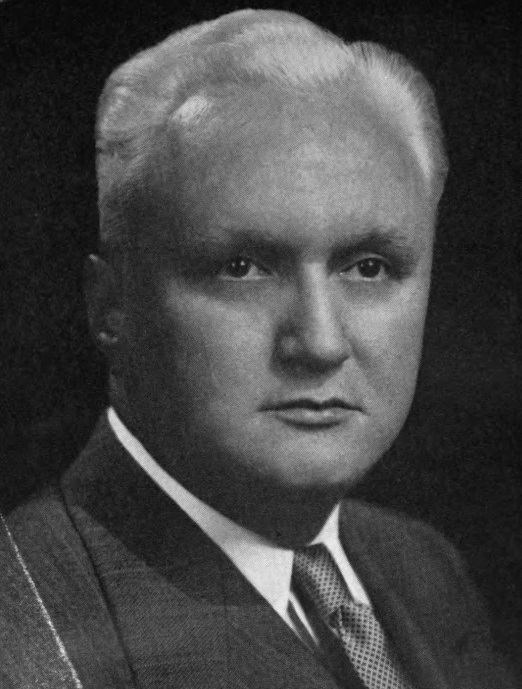
Frank Buchanan
Former U.S. Representative · Pennsylvania District 33 · 1945–1953 · Democratic
Frank Buchanan represented Pennsylvania's District 33 in the United States House of Representatives (1945–1953) for the Democratic party. The page below collects sourced biographical facts, term history, committee roles, and provenance for Buchanan.
Bioguide ID: B001002
Key facts
- Full name
- Frank Buchanan
- State
- Pennsylvania
- District
- District 33
- Party
- Democratic
- House service
- 1945–1953
- First House term
- 1945
- Status
- Left office
- Current term ends
- —
- Born
- 1902
- Bioguide ID
- B001002
- Committee assignments
- —
- Dataset version
- 1.20260605
Biographical narrative
840 words · sourced from the Wikipedia REST extract
Frank Buchanan was a Democratic politician who served as a U.S. Representative for Pennsylvania's 33rd congressional district from 1945 until his death in 1951. Born on December 1, 1902, in McKeesport, Pennsylvania, Buchanan had a diverse career as an educator, businessman, and local politician before entering Congress. His tenure in the House was marked by significant involvement in legislative activities and controversies, particularly regarding lobbying practices. He passed away on April 27, 1951, while still in office, leaving a legacy that included both his legislative work and the unique circumstance of his wife succeeding him in Congress.
Early life and career
Frank Buchanan was born in McKeesport, a suburb of Pittsburgh, Pennsylvania. He pursued higher education at the University of Pittsburgh, where he graduated in 1925. During his time at the university, he became a member of the Phi Gamma Delta fraternity, which is known for fostering brotherhood and leadership among its members. Following his graduation, Buchanan began his professional career as a high school teacher, working in the educational institutions of Homestead and McKeesport from 1924 to 1928 and again from 1931 to 1942. His commitment to education was evident in his years spent in the classroom, where he shaped the lives of many young individuals.
In addition to his teaching career, Buchanan ventured into the business world as an automobile dealer from 1928 to 1931. This experience in the private sector was complemented by his role as an economic consultant from 1928 until 1946, where he likely provided insights and guidance on various economic matters. His political career began to take shape when he was elected as the mayor of McKeesport, serving from 1942 to 1946. This position allowed him to gain valuable experience in governance and public service, setting the stage for his future role in Congress.
Buchanan's personal life included his marriage to Vera Daerr on January 4, 1929. Their partnership would later have political significance, as both would serve in Congress, making them the first husband and wife duo to die while in office.
House tenure
Frank Buchanan's congressional career began when he was elected to the 79th United States Congress to fill the vacancy left by the resignation of Samuel A. Weiss. His election marked the start of a significant political journey, as he was subsequently re-elected to the 80th, 81st, and 82nd Congresses. Throughout his time in the House of Representatives, Buchanan was involved in various legislative initiatives and discussions that reflected the political climate of the post-World War II era.
During his tenure, Buchanan was known for his active participation in the legislative process, addressing issues that were pertinent to his constituents and the nation at large. His role in Congress was characterized by a commitment to the Democratic Party's agenda, which included a focus on social welfare, civil rights, and economic recovery in the aftermath of the war. However, his time in office was not without controversy, particularly regarding his leadership of the United States House Select Committee on Lobbying Activities.
Buchanan's congressional career was cut short when he passed away on April 27, 1951, at Bethesda Naval Hospital. His death occurred while he was still serving in office, leading to a vacancy that would later be filled by his wife, Vera Buchanan, who succeeded him in Congress.
Legislative focus and committees
Throughout his time in the House, Frank Buchanan was involved in various legislative matters, but he is perhaps best remembered for his role as the chair of the United States House Select Committee on Lobbying Activities, commonly referred to as the Buchanan Committee. Established by the Democratic majority after the 1948 elections, the committee aimed to investigate lobbying practices, both direct and indirect, that were perceived to influence legislative processes.
Under Buchanan's leadership, the committee focused on a range of organizations, including the far-left Civil Rights Congress and conservative groups such as the anti-New Deal Committee for Constitutional Government. The committee's investigations were controversial, particularly as they sought to identify individuals who had purchased certain anti-New Deal literature. This approach sparked significant backlash from various quarters, including accusations that the committee was attempting to stifle free speech and intimidate potential supporters of dissenting viewpoints.
The controversy surrounding the Buchanan Committee intensified as prominent figures, including journalists and libertarian commentators, criticized its activities. The committee's actions led to contempt citations against individuals who refused to disclose information about their financial backers or the purchasers of specific books. This aspect of Buchanan's tenure highlighted the tensions between government oversight and individual rights during a time of heightened political scrutiny.
Despite the controversies, Buchanan's work on the committee was a significant part of his legislative focus, reflecting the broader political struggles of the era. However, he did not live to see the eventual legal outcomes of the committee's actions, as he stepped down from his chairmanship prior to his death. His passing marked the end of a notable chapter in Pennsylvania's political history, and his legacy continued through his wife, who would carry on his political work in Congress.
Notable legislation
Sponsored and co-sponsored legislation for Frank Buchanan is pending operator curation. The biographical narrative above carries the same provenance trail until per-bill rows are written.
Sources
- [1]https://en.wikipedia.org/wiki/Frank_Buchanan_(Pennsylvania_politician)Wikipedia · retrieved 2026-06-05
Notable quotes
Sourced quotes for Frank Buchanan are pending operator curation. Narrative-scope provenance remains attached below.
Sources
- [1]https://en.wikipedia.org/wiki/Frank_Buchanan_(Pennsylvania_politician)Wikipedia · retrieved 2026-06-05
Key positions
Curated policy positions for Frank Buchanan are pending operator review. The biographical narrative above carries the same provenance trail until per-topic positions are written.
Sources
- [1]https://en.wikipedia.org/wiki/Frank_Buchanan_(Pennsylvania_politician)Wikipedia · retrieved 2026-06-05
Terms served
- 1945–1947U.S. House · Term 1 · Democratic
- 1947–1949U.S. House · Term 2 · Democratic
- 1949–1951U.S. House · Term 3 · Democratic
- 1951–1953U.S. House · Term 4 · Democratic
Sources & provenance
Every attributable claim above carries a per-section [N] marker that resolves to the corresponding URL below. Each entry records the upstream provider, the canonical URL, and the timestamp at which the source was retrieved by the ingest pipeline.
Key facts
- https://bioguide.congress.gov/search/bio/B001002bioguide · retrieved 2026-06-05
- https://www.govtrack.us/congress/members/401952govtrack · retrieved 2026-06-05
Biographical narrative
- https://en.wikipedia.org/wiki/Frank_Buchanan_(Pennsylvania_politician)wikipedia · retrieved 2026-06-05
Find your representative
Every U.S. state elects representatives by district. Browse Pennsylvania’s delegation, the full former-representative roster, or explore the role and term length.
Related on The Candidate
- Preceded by Joseph McArdleEarlier holder of the Pennsylvania District 33 House seat · Democratic.Open
- Adam SeybertFormer U.S. Representative · Pennsylvania District 1 · RepublicanOpen
- Benjamin SayFormer U.S. Representative · Pennsylvania District 1 · RepublicanOpen
- Chapman FreemanFormer U.S. Representative · Pennsylvania District 1 · RepublicanOpen
- Harry RansleyFormer U.S. Representative · Pennsylvania District 1 · RepublicanOpen
- Democratic PartyFederal candidates and office holders on the Democratic line.Open