
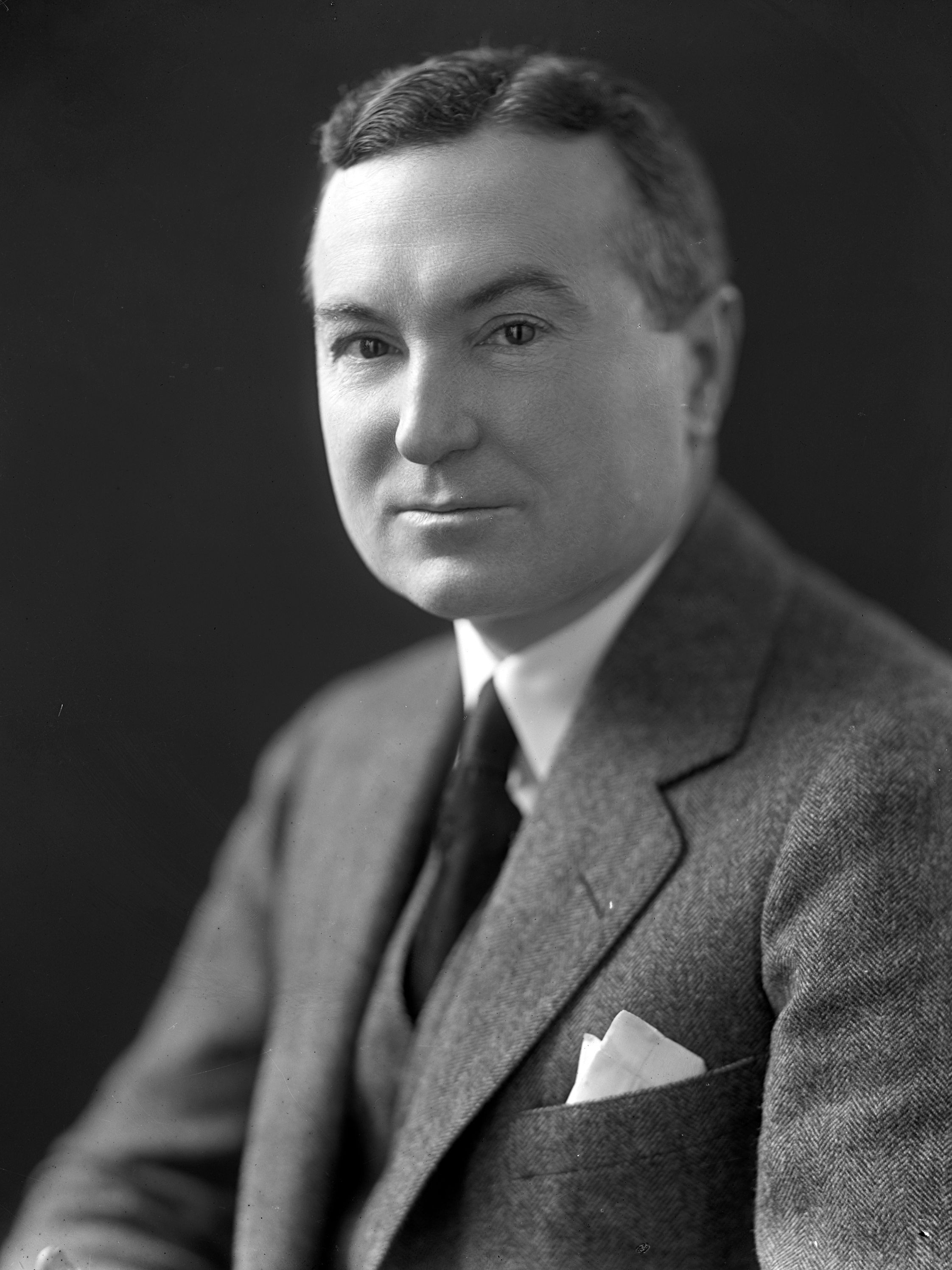
Historical · U.S. House · Pennsylvania · District 35
James Magee
Former U.S. Representative · Pennsylvania District 35 · 1923–1927 · Republican
James Magee represented Pennsylvania's District 35 in the United States House of Representatives (1923–1927) for the Republican party. The page below collects sourced biographical facts, term history, committee roles, and provenance for Magee.
Bioguide ID: M000046
Key facts
- Full name
- James Magee
- State
- Pennsylvania
- District
- District 35
- Party
- Republican
- House service
- 1923–1927
- First House term
- 1923
- Status
- Left office
- Current term ends
- —
- Born
- 1877
- Bioguide ID
- M000046
- Committee assignments
- —
- Dataset version
- 1.20260606
Biographical narrative
891 words · sourced from the Wikipedia REST extract
James Magee was a prominent figure in early 20th-century American politics, serving as a Republican member of the U.S. House of Representatives for Pennsylvania's 35th congressional district. His political career spanned two terms in Congress, during which he contributed to the legislative process in a period marked by significant national and global changes. Beyond his political endeavors, Magee was also noted for his military service during World War I and his legal career. His life reflects a blend of public service, professional achievement, and familial connections to notable figures in American history.
Early life and career
James McDevitt Magee was born on April 5, 1877, in Evergreen, Pennsylvania, a location situated near Pittsburgh. Growing up in this region, Magee would later become a significant political figure representing the interests of his constituents in Congress. He pursued higher education at Yale University, where he graduated in 1899. While at Yale, Magee was a member of the prestigious secret society Skull and Bones, which has been associated with numerous influential leaders in various fields. Following his undergraduate studies, he attended the law department of the University of Pennsylvania in Philadelphia, where he earned his law degree in 1902.
After completing his education, Magee was admitted to the bar in 1903, marking the beginning of his legal career in Pittsburgh. His work as a lawyer positioned him well for a future in public service, as he gained valuable experience and insights into the legal and political systems of the time. Magee's professional trajectory took a significant turn when he enlisted in the military during World War I. He was commissioned as a first lieutenant in the United States Army Air Service, reflecting the growing importance of aviation in military operations. His service was marked by a promotion to captain, and he remained active until January 1919. During his military tenure, Magee was attached to the executive office of the Department of Military Aeronautics, where he contributed to the development and management of military aviation initiatives.
After the war, Magee returned to his legal practice in Pittsburgh, continuing to build his career while also engaging in public service. His military experience and legal background would later inform his approach to governance and legislative responsibilities.
House tenure
James Magee's political career in the U.S. House of Representatives began when he was elected as a Republican to the Sixty-eighth Congress. His first term commenced in 1923, a time when the nation was experiencing the economic prosperity of the Roaring Twenties. Magee's election to Congress came at a pivotal moment in American history, as the country was navigating the complexities of post-war recovery and social change. He served in the House for two consecutive terms, participating in legislative discussions and decisions that would shape the future of the nation.
During his time in Congress, Magee was involved in various legislative matters, although specific details of his contributions and the bills he supported are not documented in the available records. His tenure coincided with significant events, including the lead-up to the Great Depression, which would have profound implications for the country and its governance. Magee's political career was marked by his alignment with the Republican Party, which was focused on issues such as economic growth, fiscal conservatism, and limited government intervention during this era.
Despite his efforts and contributions during his time in office, Magee faced challenges in securing renomination for a subsequent term. He was an unsuccessful candidate in 1926, which marked the end of his congressional career. Following his departure from the House, Magee continued to be active in public life and maintained a connection to the legal profession.
Legislative focus and committees
While specific details regarding Magee's legislative focus and committee assignments during his time in Congress are not extensively documented, it can be inferred that his background as a lawyer and military officer likely influenced his priorities and areas of interest. As a member of the Republican Party during the 1920s, Magee would have been involved in discussions surrounding economic policies, national defense, and the role of government in regulating various sectors of society.
After his congressional tenure, Magee took on a significant role in state government as the chairman of the Pennsylvania Securities Commission from 1931 to 1935. This position allowed him to apply his legal expertise in overseeing the regulation of securities and protecting investors in Pennsylvania. His work in this capacity would have involved addressing the challenges posed by the stock market crash of 1929 and the subsequent economic turmoil, which necessitated increased regulatory oversight and consumer protection measures.
Magee's legal career continued in Pittsburgh until his death, allowing him to remain engaged in the legal community and contribute to the profession. His commitment to public service and the legal field reflects a dedication to the principles of governance and the rule of law.
James Magee passed away on April 16, 1949, in Pittsburgh, Pennsylvania. He was interred in Calvary Cemetery, leaving behind a legacy that intertwined military service, legal practice, and political engagement. Magee was also connected to notable figures in American history, being the brother of missionary John Magee and the uncle of John Gillespie Magee, Jr., who is remembered for his poem "High Flight." This familial connection adds an additional layer to Magee's biography, highlighting the diverse contributions of his family to American culture and society.
Notable legislation
Sponsored and co-sponsored legislation for James Magee is pending operator curation. The biographical narrative above carries the same provenance trail until per-bill rows are written.
Sources
- [1]https://en.wikipedia.org/wiki/James_M._MageeWikipedia · retrieved 2026-06-06
Notable quotes
Sourced quotes for James Magee are pending operator curation. Narrative-scope provenance remains attached below.
Sources
- [1]https://en.wikipedia.org/wiki/James_M._MageeWikipedia · retrieved 2026-06-06
Key positions
Curated policy positions for James Magee are pending operator review. The biographical narrative above carries the same provenance trail until per-topic positions are written.
Sources
- [1]https://en.wikipedia.org/wiki/James_M._MageeWikipedia · retrieved 2026-06-06
Terms served
- 1923–1925U.S. House · Term 1 · Republican
- 1925–1927U.S. House · Term 2 · Republican
Sources & provenance
Every attributable claim above carries a per-section [N] marker that resolves to the corresponding URL below. Each entry records the upstream provider, the canonical URL, and the timestamp at which the source was retrieved by the ingest pipeline.
Key facts
- https://bioguide.congress.gov/search/bio/M000046bioguide · retrieved 2026-06-06
- https://www.govtrack.us/congress/members/407074govtrack · retrieved 2026-06-06
Biographical narrative
- https://en.wikipedia.org/wiki/James_M._Mageewikipedia · retrieved 2026-06-06
Find your representative
Every U.S. state elects representatives by district. Browse Pennsylvania’s delegation, the full former-representative roster, or explore the role and term length.
Related on The Candidate
- Succeeded by Harry EstepLater holder of the Pennsylvania District 35 House seat · Republican.Open
- Adam SeybertFormer U.S. Representative · Pennsylvania District 1 · RepublicanOpen
- Benjamin SayFormer U.S. Representative · Pennsylvania District 1 · RepublicanOpen
- Chapman FreemanFormer U.S. Representative · Pennsylvania District 1 · RepublicanOpen
- Harry RansleyFormer U.S. Representative · Pennsylvania District 1 · RepublicanOpen
- Republican PartyFederal candidates and office holders on the Republican line.Open