
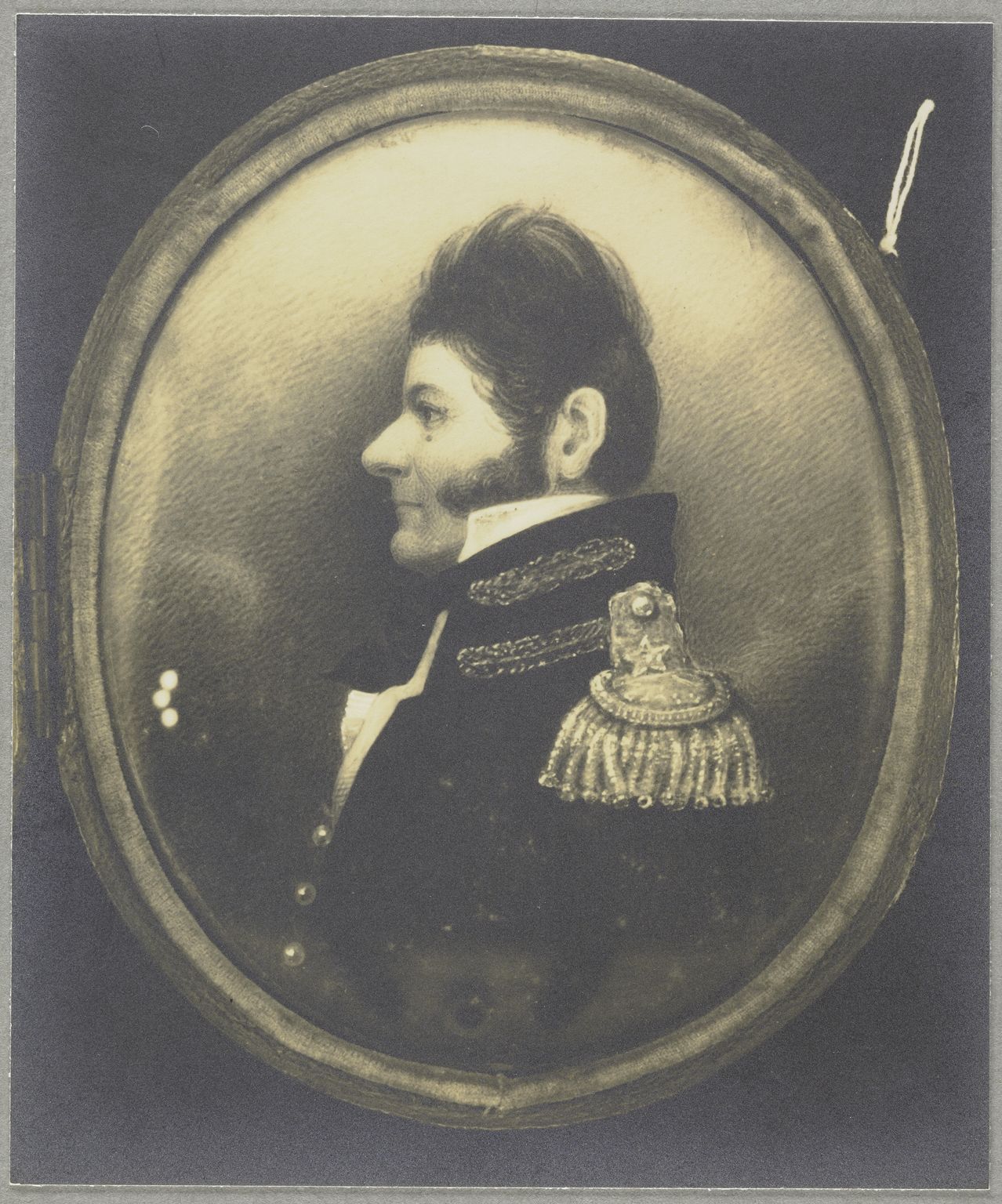
Historical · U.S. House · South Carolina · District 2
John Rutledge Jr.
Former U.S. Representative · South Carolina District 2 · 1797–1803 · Federalist
John Rutledge Jr. represented South Carolina's District 2 in the United States House of Representatives (1797–1803) for the Federalist party. The page below collects sourced biographical facts, term history, committee roles, and provenance for Jr..
Bioguide ID: R000553
Key facts
- Full name
- John Rutledge Jr.
- State
- South Carolina
- District
- District 2
- Party
- Federalist
- House service
- 1797–1803
- First House term
- 1797
- Status
- Left office
- Current term ends
- —
- Born
- —
- Bioguide ID
- R000553
- Committee assignments
- —
- Dataset version
- 1.20260606
Biographical narrative
879 words · sourced from the Wikipedia REST extract
John Rutledge Jr. was a prominent political figure in the early years of the United States, serving as a U.S. Representative for South Carolina's 2nd congressional district. A member of the Federalist Party, he held office from 1797 until 1803, participating in three consecutive terms in the House of Representatives. Rutledge was born into a politically influential family, which shaped his career and connections in the nascent American political landscape. His tenure in Congress was marked by the challenges of the era, including political rivalries and personal controversies that ultimately influenced his political trajectory.
Early life and career
John Rutledge Jr. was born in 1766 in Charles Town, which was part of the Province of South Carolina. He was the son of John Rutledge, a significant figure in American history who served as President and Governor of South Carolina, a Continental Congressman, and a Framer of the United States Constitution. His familial connections extended to his uncle, Edward Rutledge, who was also a Continental Congressman. Growing up in such a politically active family likely provided young John with early exposure to governance and public service.
Rutledge received a private education and attended schools in Charleston and Philadelphia, where he developed a strong foundation in the principles of law and governance. Following his education, he studied law under the guidance of his father, gaining admission to the bar around 1787. He began practicing law in Charleston, where he also engaged in agricultural pursuits as a planter. His early career in law and agriculture positioned him well for a future in public service.
Before his election to Congress, Rutledge served in the South Carolina House of Representatives from 1794 to 1797. His initial attempt to secure a seat in the Fourth Congress in 1794 was unsuccessful. However, he later gained recognition and support, leading to his election as a Federalist to the Fifth, Sixth, and Seventh Congresses. His political career was characterized by the shifting dynamics of the early American political landscape, which was heavily influenced by the Federalist and Democratic-Republican parties.
House tenure
Rutledge's congressional career began on March 4, 1797, when he took office as a member of the U.S. House of Representatives. He served three consecutive terms, concluding his tenure on March 3, 1803. During this period, he was involved in the legislative processes that shaped the early Republic, contributing to discussions and decisions that would influence the direction of the nation.
As a member of the Federalist Party, Rutledge aligned himself with the party's principles, which emphasized a strong central government and support for commercial interests. His tenure coincided with a time of significant political division, as the Federalists faced increasing opposition from the Democratic-Republicans, led by figures such as Thomas Jefferson. Rutledge's political activities during this time would have been influenced by the broader context of these partisan conflicts.
Despite his active role in Congress, Rutledge faced challenges that would ultimately affect his political career. In 1801, he was the Federalist nominee for a special election to the U.S. Senate but lost to Thomas Sumter. This loss, combined with other political pressures, marked a turning point in his career. He was also involved in military service, commanding a company in the South Carolina Militia in 1799 and later being promoted to major. He took command of the regiment during the War of 1812 and led the Seventh Brigade until his death.
Legislative focus and committees
During his time in the House of Representatives, Rutledge's legislative focus reflected the interests and priorities of the Federalist Party. Although specific details about the bills he sponsored or supported are not documented in the provided information, it can be inferred that his work would have aligned with the party's goals of promoting a strong federal government, fostering economic development, and maintaining national security.
Rutledge's involvement in Congress occurred during a formative period for the United States, characterized by debates over the role of the federal government, economic policy, and foreign relations. As a Federalist, he would have participated in discussions surrounding these issues, contributing to the shaping of early American policy.
In addition to his legislative duties, Rutledge's political career was marked by personal controversies that impacted his public image. Notably, in 1801, he was embroiled in a scandal involving forged letters sent to President Thomas Jefferson, which led to accusations against him and a public altercation with fellow politician Christopher Ellery. This incident, coupled with the negative publicity surrounding it, contributed to his decision not to seek re-election in 1803.
Rutledge's life after Congress included continued military service and personal challenges, including a troubled marriage that ended in separation. He remained active in military affairs until his death in 1819, leaving behind a complex legacy intertwined with the early political history of the United States.
In summary, John Rutledge Jr. was a significant figure in the early years of American governance, serving as a U.S. Representative and contributing to the political discourse of his time. His connections to influential political figures and his experiences in law and agriculture shaped his career, while his tenure in Congress reflected the complexities of the early Republic. Despite facing personal and political challenges, Rutledge's involvement in the formative years of the United States remains a notable aspect of his biography.
Notable legislation
Sponsored and co-sponsored legislation for John Rutledge Jr. is pending operator curation. The biographical narrative above carries the same provenance trail until per-bill rows are written.
Sources
- [1]https://en.wikipedia.org/wiki/John_Rutledge_Jr.Wikipedia · retrieved 2026-06-06
Notable quotes
Sourced quotes for John Rutledge Jr. are pending operator curation. Narrative-scope provenance remains attached below.
Sources
- [1]https://en.wikipedia.org/wiki/John_Rutledge_Jr.Wikipedia · retrieved 2026-06-06
Key positions
Curated policy positions for John Rutledge Jr. are pending operator review. The biographical narrative above carries the same provenance trail until per-topic positions are written.
Sources
- [1]https://en.wikipedia.org/wiki/John_Rutledge_Jr.Wikipedia · retrieved 2026-06-06
Terms served
- 1797–1799U.S. House · Term 1 · Federalist
- 1799–1801U.S. House · Term 2 · Federalist
- 1801–1803U.S. House · Term 3 · Federalist
Sources & provenance
Every attributable claim above carries a per-section [N] marker that resolves to the corresponding URL below. Each entry records the upstream provider, the canonical URL, and the timestamp at which the source was retrieved by the ingest pipeline.
Key facts
- https://bioguide.congress.gov/search/bio/R000553bioguide · retrieved 2026-06-06
- https://www.govtrack.us/congress/members/409509govtrack · retrieved 2026-06-06
Biographical narrative
- https://en.wikipedia.org/wiki/John_Rutledge_Jr.wikipedia · retrieved 2026-06-06
Find your representative
Every U.S. state elects representatives by district. Browse South Carolina’s delegation, the full former-representative roster, or explore the role and term length.
Related on The Candidate
- Preceded by Robert BarnwellEarlier holder of the South Carolina District 2 House seat.Open
- Succeeded by William LowndesLater holder of the South Carolina District 2 House seat · Republican.Open
- Arthur Ravenel Jr.Former U.S. Representative · South Carolina District 1 · RepublicanOpen
- Benjamin WhittemoreFormer U.S. Representative · South Carolina District 1 · RepublicanOpen
- Clara McMillanFormer U.S. Representative · South Carolina District 1 · DemocraticOpen
- Daniel WallaceFormer U.S. Representative · South Carolina District 1 · DemocraticOpen