
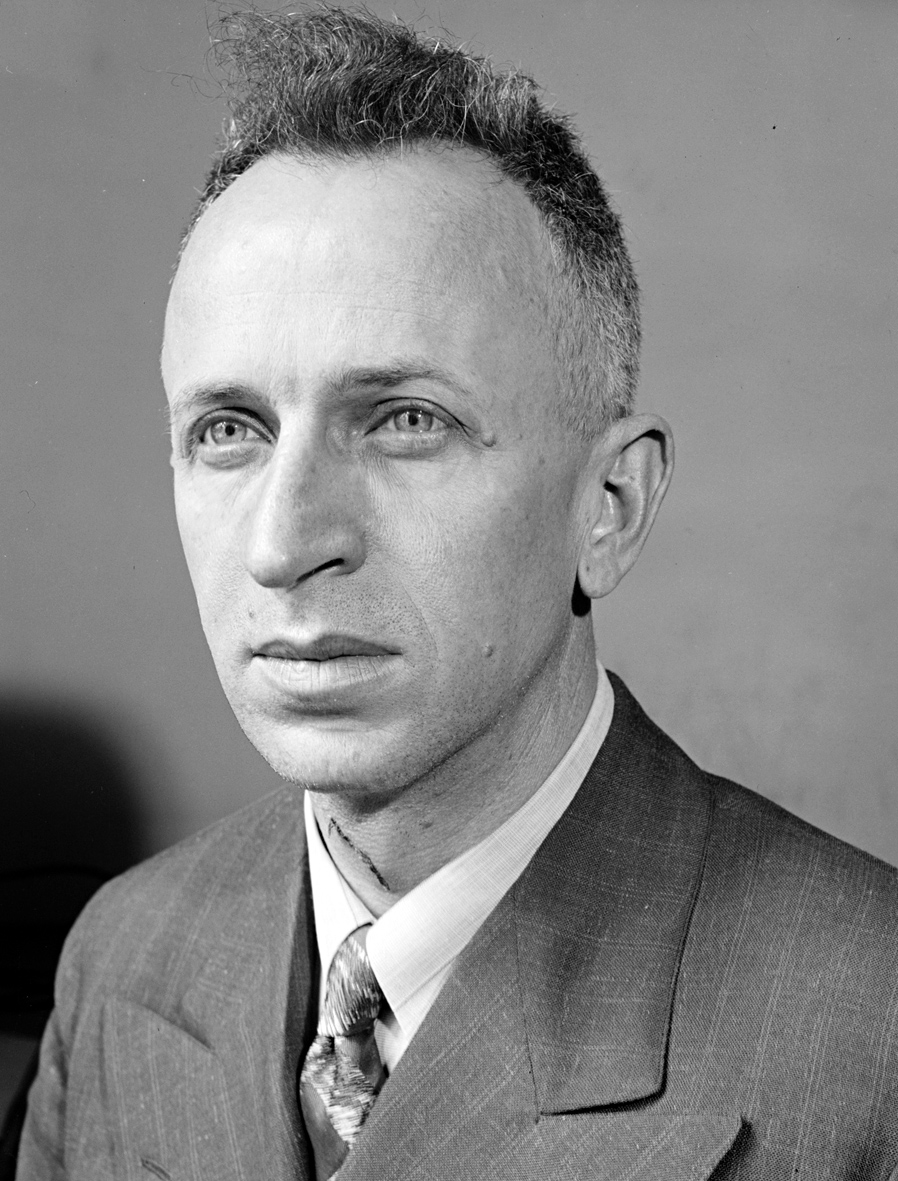
Historical · U.S. House · South Carolina · District 4
Joseph Bryson
Former U.S. Representative · South Carolina District 4 · 1939–1955 · Democratic
Joseph Bryson represented South Carolina's District 4 in the United States House of Representatives (1939–1955) for the Democratic party. The page below collects sourced biographical facts, term history, committee roles, and provenance for Bryson.
Bioguide ID: B000999
Key facts
- Full name
- Joseph Bryson
- State
- South Carolina
- District
- District 4
- Party
- Democratic
- House service
- 1939–1955
- First House term
- 1939
- Status
- Left office
- Current term ends
- —
- Born
- 1893
- Bioguide ID
- B000999
- Committee assignments
- —
- Dataset version
- 1.20260605
Biographical narrative
992 words · sourced from the Wikipedia REST extract
Joseph Bryson was a prominent U.S. Representative from South Carolina, serving in the House of Representatives for a total of eight terms from 1939 until his death in 1953. A member of the Democratic Party, Bryson represented South Carolina's 4th congressional district and was known for his legislative contributions during a significant period in American history. His career spanned the Great Depression, World War II, and the early years of the post-war era, reflecting the changing political landscape of the United States during these transformative years.
Early life and career
Joseph Raleigh Bryson was born on January 18, 1893, in Brevard, North Carolina. In 1900, when he was just seven years old, his family relocated to Greenville, South Carolina. Bryson received his early education in the public school system of Greenville, where he laid the foundation for his future academic pursuits. He went on to attend Furman University, a private liberal arts university located in Greenville, graduating in 1917. Following his undergraduate education, Bryson pursued a law degree at the University of South Carolina in Columbia, which he obtained in 1920.
In addition to his academic achievements, Bryson also had a notable military career. He enlisted in the South Carolina National Guard on September 28, 1915, serving as a private in Company A of the First Infantry. His service in the National Guard lasted until his discharge on August 9, 1916. Bryson re-enlisted during World War I on August 3, 1917, this time in the Medical Reserve Corps. He was eventually discharged as a second lieutenant of Infantry on December 12, 1918, after the conclusion of the war.
After completing his education and military service, Bryson was admitted to the bar in 1920 and began practicing law in Greenville. His legal career was complemented by his involvement in politics. He served in the South Carolina House of Representatives from 1921 to 1924, where he began to establish himself as a significant figure in state politics. Following this, he was elected to the South Carolina State Senate, serving from 1929 to 1932. These early political experiences provided Bryson with a strong foundation for his future role in the U.S. Congress.
House tenure
Joseph Bryson's tenure in the U.S. House of Representatives began on January 3, 1939, after he was elected as a Democrat to the Seventy-sixth Congress. He successfully won re-election to the subsequent seven Congresses, serving a total of eight terms in the House. His time in Congress coincided with critical events in American history, including the Great Depression and World War II, which shaped his legislative priorities and actions.
During his time in the House, Bryson was involved in various legislative initiatives and discussions that addressed the pressing issues of his era. He served on multiple committees, which allowed him to influence a range of policies and legislation. Bryson's commitment to his constituents and the Democratic Party was evident throughout his congressional career, as he worked on issues that were important to the people of South Carolina and the nation as a whole.
Bryson's service in Congress was marked by his dedication to public service and his ability to navigate the complexities of federal legislation. He was known for his collaborative approach, often working with colleagues across party lines to achieve common goals. His legislative efforts reflected the needs and concerns of his constituents, as well as the broader national interests during a time of significant change.
Bryson's congressional career came to an end with his passing on March 10, 1953, at the Bethesda Naval Hospital in Bethesda, Maryland. His death was attributed to a cerebral hemorrhage, and he was subsequently interred in Woodlawn Memorial Park in Greenville, South Carolina. His contributions to the U.S. House of Representatives and his service to the people of South Carolina are remembered as part of his legacy.
Legislative focus and committees
Throughout his eight terms in the U.S. House of Representatives, Joseph Bryson focused on a variety of legislative issues that were pertinent to his constituents and the nation. His work spanned several key areas, including economic recovery, social welfare, and veterans' affairs, reflecting the pressing needs of the time.
Bryson's legislative priorities were shaped by the historical context of his service. The Great Depression had a profound impact on the American economy and society, and Bryson was involved in efforts to address the economic challenges faced by his constituents. He supported measures aimed at economic recovery and job creation, recognizing the importance of government intervention during times of financial distress.
In addition to economic issues, Bryson was also committed to social welfare initiatives. His legislative efforts included support for programs that aimed to improve the quality of life for individuals and families in his district. This focus on social welfare was particularly relevant during the post-war period, as the nation sought to address the needs of returning veterans and their families.
Bryson's military background also influenced his legislative focus on veterans' affairs. He was an advocate for policies that supported veterans and their reintegration into civilian life after serving in the military. His understanding of the challenges faced by veterans allowed him to contribute meaningfully to discussions and legislation aimed at improving their access to benefits and services.
During his time in Congress, Bryson served on various committees that played a crucial role in shaping legislation. These committees provided him with the opportunity to engage with a wide range of issues and collaborate with other members of Congress. His committee assignments allowed him to leverage his legal expertise and political experience to advocate for the interests of his constituents.
In summary, Joseph Bryson's legislative focus and committee work reflected his commitment to addressing the needs of his constituents and contributing to the broader national dialogue during a time of significant change in the United States. His legacy as a U.S. Representative is characterized by his dedication to public service and his efforts to improve the lives of those he represented.
Notable legislation
Sponsored and co-sponsored legislation for Joseph Bryson is pending operator curation. The biographical narrative above carries the same provenance trail until per-bill rows are written.
Sources
- [1]https://en.wikipedia.org/wiki/Joseph_R._BrysonWikipedia · retrieved 2026-06-05
Notable quotes
Sourced quotes for Joseph Bryson are pending operator curation. Narrative-scope provenance remains attached below.
Sources
- [1]https://en.wikipedia.org/wiki/Joseph_R._BrysonWikipedia · retrieved 2026-06-05
Key positions
Curated policy positions for Joseph Bryson are pending operator review. The biographical narrative above carries the same provenance trail until per-topic positions are written.
Sources
- [1]https://en.wikipedia.org/wiki/Joseph_R._BrysonWikipedia · retrieved 2026-06-05
Terms served
- 1939–1941U.S. House · Term 1 · Democratic
- 1941–1943U.S. House · Term 2 · Democratic
- 1943–1945U.S. House · Term 3 · Democratic
- 1945–1947U.S. House · Term 4 · Democratic
- 1947–1949U.S. House · Term 5 · Democratic
- 1949–1951U.S. House · Term 6 · Democratic
- 1951–1953U.S. House · Term 7 · Democratic
- 1953–1955U.S. House · Term 8 · Democratic
Sources & provenance
Every attributable claim above carries a per-section [N] marker that resolves to the corresponding URL below. Each entry records the upstream provider, the canonical URL, and the timestamp at which the source was retrieved by the ingest pipeline.
Key facts
- https://bioguide.congress.gov/search/bio/B000999bioguide · retrieved 2026-06-05
- https://www.govtrack.us/congress/members/401949govtrack · retrieved 2026-06-05
Biographical narrative
- https://en.wikipedia.org/wiki/Joseph_R._Brysonwikipedia · retrieved 2026-06-05
Find your representative
Every U.S. state elects representatives by district. Browse South Carolina’s delegation, the full former-representative roster, or explore the role and term length.
Related on The Candidate
- Preceded by Gabriel Mahon Jr.Earlier holder of the South Carolina District 4 House seat · Democratic.Open
- Succeeded by James MannLater holder of the South Carolina District 4 House seat · Democratic.Open
- Arthur Ravenel Jr.Former U.S. Representative · South Carolina District 1 · RepublicanOpen
- Benjamin WhittemoreFormer U.S. Representative · South Carolina District 1 · RepublicanOpen
- Clara McMillanFormer U.S. Representative · South Carolina District 1 · DemocraticOpen
- Daniel WallaceFormer U.S. Representative · South Carolina District 1 · DemocraticOpen