
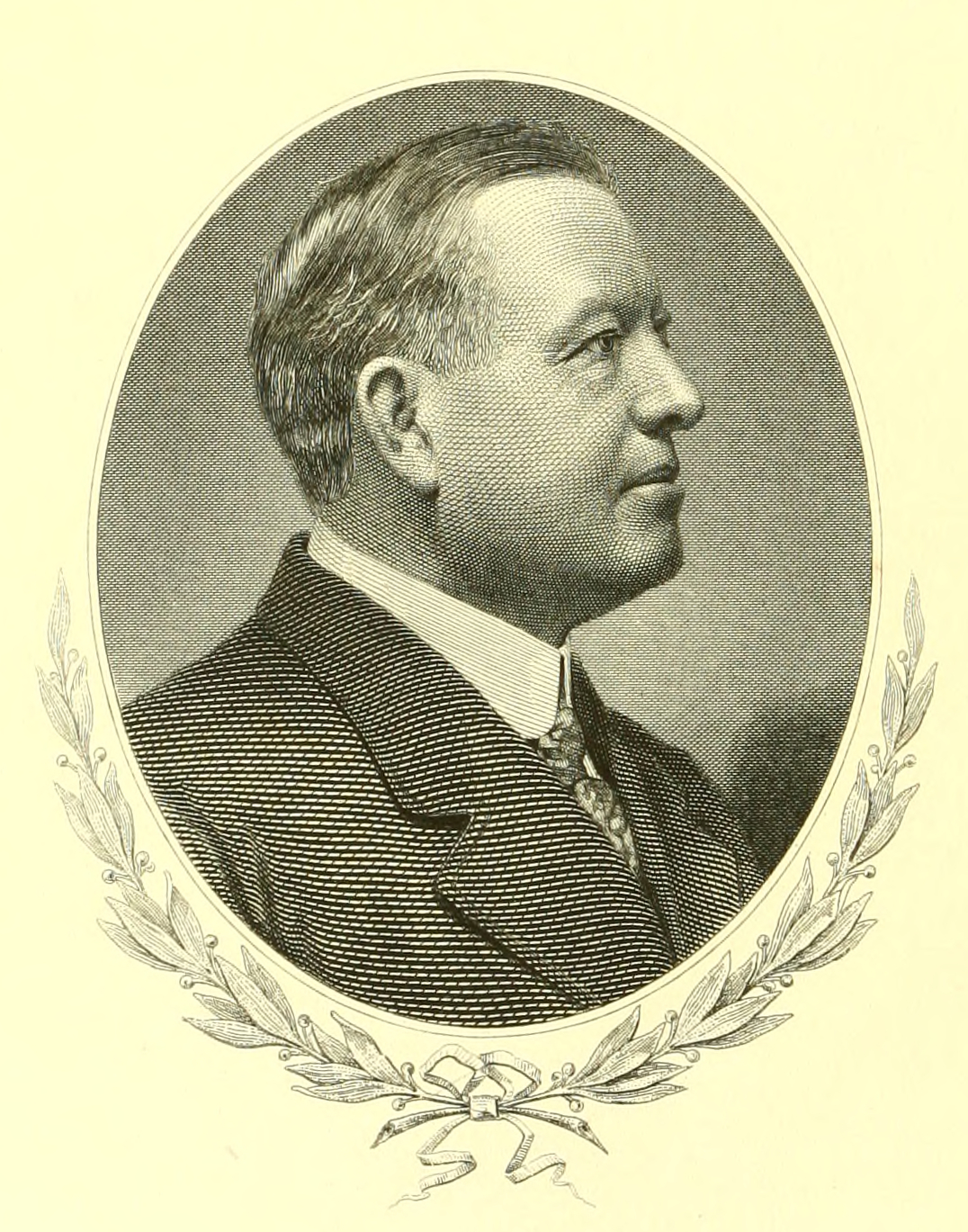
Historical · U.S. House · South Carolina · District 6
James Ragsdale
Former U.S. Representative · South Carolina District 6 · 1913–1921 · Democratic
James Ragsdale represented South Carolina's District 6 in the United States House of Representatives (1913–1921) for the Democratic party. The page below collects sourced biographical facts, term history, committee roles, and provenance for Ragsdale.
Bioguide ID: R000010
Key facts
- Full name
- James Ragsdale
- State
- South Carolina
- District
- District 6
- Party
- Democratic
- House service
- 1913–1921
- First House term
- 1913
- Status
- Left office
- Current term ends
- —
- Born
- 1872
- Bioguide ID
- R000010
- Committee assignments
- —
- Dataset version
- 1.20260606
Biographical narrative
889 words · sourced from the Wikipedia REST extract
James Ragsdale was a U.S. Representative from South Carolina, serving in the House of Representatives as a member of the Democratic Party. His congressional career spanned from 1913 until his death in 1919, during which he represented South Carolina's 6th congressional district. Ragsdale's political career was preceded by various roles in state government and law, and he was involved in both agricultural and banking sectors throughout his life.
Early life and career
James Willard Ragsdale was born on December 14, 1872, in Timmonsville, South Carolina. He received his early education in the public schools of his hometown, which laid the foundation for his future academic and professional pursuits. Following his schooling, Ragsdale worked for several years in a railroad office located in Wilmington, North Carolina. This experience in the railroad industry likely provided him with insights into the economic and infrastructural issues of the time, which would later inform his political career.
Ragsdale's academic journey continued at the University of South Carolina in Columbia, where he pursued studies in law. He successfully completed his legal education and was admitted to the bar in 1898, subsequently beginning his legal practice in Florence, South Carolina. His legal career was complemented by his involvement in agricultural activities and banking, indicating a diverse professional background that encompassed both public service and private enterprise.
In addition to his legal and business pursuits, Ragsdale was actively engaged in public service. He served as a trustee of the South Carolina Industrial School, reflecting his commitment to education and community development. His political career began at the state level, where he was elected to the South Carolina House of Representatives from 1899 to 1900. Following this role, he served in the South Carolina State Senate from 1902 to 1904. Ragsdale's early political experiences provided him with a solid foundation in governance and legislative processes.
Despite his early involvement in politics, Ragsdale faced challenges in his political aspirations. He was an unsuccessful candidate for the position of attorney general of South Carolina and also sought election to the Sixty-second Congress in 1910 but did not succeed. These early setbacks did not deter him from pursuing a career in public service, and he continued to build his political profile.
House tenure
Ragsdale's significant political breakthrough came when he was elected as a Democrat to the Sixty-third Congress. He took office on March 4, 1913, marking the beginning of his four consecutive terms in the U.S. House of Representatives. His tenure in Congress was characterized by a commitment to representing the interests of his constituents in South Carolina's 6th congressional district.
During his time in the House, Ragsdale participated in various legislative activities and contributed to discussions on a range of issues pertinent to his district and the nation. His service in Congress coincided with a period of significant change in the United States, including the lead-up to World War I and the social and economic transformations that accompanied it. Ragsdale's role as a legislator during this time would have involved navigating the complexities of national policy and local concerns.
Ragsdale's congressional career was cut short by his untimely death on July 23, 1919, while he was still in office. His passing occurred in Washington, D.C., where he had been actively engaged in his legislative duties. Following his death, he was interred in Mount Hope Cemetery in Florence, South Carolina, where he is remembered for his contributions to the state and his service in the U.S. Congress.
Legislative focus and committees
Throughout his time in the House of Representatives, Ragsdale was involved in various legislative initiatives and discussions that reflected the interests and needs of his constituents. While specific details regarding the bills he sponsored or the committees he served on are not provided, it is common for members of Congress to focus on issues such as economic development, education, and infrastructure, particularly in a state like South Carolina, which was undergoing significant changes during the early 20th century.
Ragsdale's background in law, agriculture, and banking likely influenced his legislative priorities. His experience in these fields may have led him to advocate for policies that supported economic growth, improved educational opportunities, and enhanced the welfare of his constituents. As a member of the Democratic Party during a time of national transition, Ragsdale would have been part of broader discussions regarding social reform, labor rights, and the role of government in addressing the needs of its citizens.
The period in which Ragsdale served was marked by significant national events, including the impact of World War I on American society and the economy. Members of Congress during this time were often called upon to address the challenges posed by the war, including issues related to military funding, veterans' affairs, and the post-war recovery. Ragsdale's contributions to these discussions would have been shaped by his understanding of the local implications of national policies.
In summary, James Ragsdale's career as a U.S. Representative was characterized by his commitment to public service and his engagement with the legislative process. His background in law, agriculture, and banking, combined with his experiences in state government, provided him with a unique perspective on the issues facing his constituents. Although his time in Congress was relatively brief, his contributions to South Carolina's representation in the House of Representatives reflect the complexities of early 20th-century American politics.
Notable legislation
Sponsored and co-sponsored legislation for James Ragsdale is pending operator curation. The biographical narrative above carries the same provenance trail until per-bill rows are written.
Sources
- [1]https://en.wikipedia.org/wiki/J._Willard_RagsdaleWikipedia · retrieved 2026-06-06
Notable quotes
Sourced quotes for James Ragsdale are pending operator curation. Narrative-scope provenance remains attached below.
Sources
- [1]https://en.wikipedia.org/wiki/J._Willard_RagsdaleWikipedia · retrieved 2026-06-06
Key positions
Curated policy positions for James Ragsdale are pending operator review. The biographical narrative above carries the same provenance trail until per-topic positions are written.
Sources
- [1]https://en.wikipedia.org/wiki/J._Willard_RagsdaleWikipedia · retrieved 2026-06-06
Terms served
- 1913–1915U.S. House · Term 1 · Democratic
- 1915–1917U.S. House · Term 2 · Democratic
- 1917–1919U.S. House · Term 3 · Democratic
- 1919–1921U.S. House · Term 4 · Democratic
Sources & provenance
Every attributable claim above carries a per-section [N] marker that resolves to the corresponding URL below. Each entry records the upstream provider, the canonical URL, and the timestamp at which the source was retrieved by the ingest pipeline.
Key facts
- https://bioguide.congress.gov/search/bio/R000010bioguide · retrieved 2026-06-06
- https://www.govtrack.us/congress/members/408993govtrack · retrieved 2026-06-06
Biographical narrative
- https://en.wikipedia.org/wiki/J._Willard_Ragsdalewikipedia · retrieved 2026-06-06
Find your representative
Every U.S. state elects representatives by district. Browse South Carolina’s delegation, the full former-representative roster, or explore the role and term length.
Related on The Candidate
- Preceded by James EllerbeEarlier holder of the South Carolina District 6 House seat · Democratic.Open
- Succeeded by Allard GasqueLater holder of the South Carolina District 6 House seat · Democratic.Open
- Arthur Ravenel Jr.Former U.S. Representative · South Carolina District 1 · RepublicanOpen
- Benjamin WhittemoreFormer U.S. Representative · South Carolina District 1 · RepublicanOpen
- Clara McMillanFormer U.S. Representative · South Carolina District 1 · DemocraticOpen
- Daniel WallaceFormer U.S. Representative · South Carolina District 1 · DemocraticOpen