
Historical · U.S. House · Texas · District 14
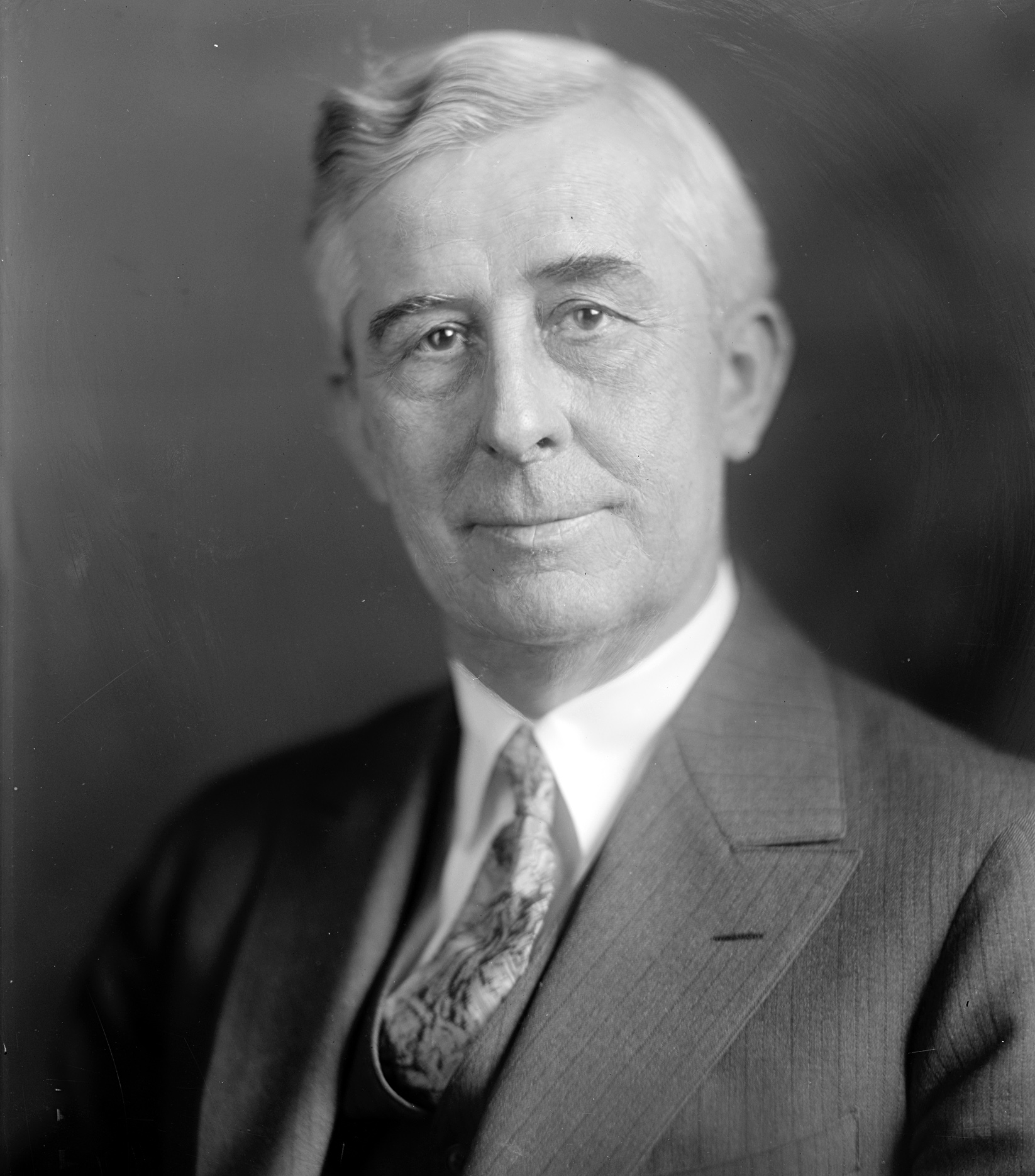
Harry Wurzbach
Former U.S. Representative · Texas District 14 · 1921–1933 · Republican
Harry Wurzbach represented Texas's District 14 in the United States House of Representatives (1921–1933) for the Republican party. The page below collects sourced biographical facts, term history, committee roles, and provenance for Wurzbach.
Bioguide ID: W000775
Key facts
- Full name
- Harry Wurzbach
- State
- Texas
- District
- District 14
- Party
- Republican
- House service
- 1921–1933
- First House term
- 1921
- Status
- Left office
- Current term ends
- —
- Born
- 1874
- Bioguide ID
- W000775
- Committee assignments
- —
- Dataset version
- 1.20260606
Biographical narrative
894 words · sourced from the Wikipedia REST extract
Harry Wurzbach was a prominent American attorney and politician who served as a U.S. Representative from Texas's 14th congressional district. A member of the Republican Party, he was notable for being the first Republican from Texas elected to the House of Representatives for more than two terms since the Reconstruction era. His congressional career spanned from 1921 until his death in 1931, during which he was re-elected multiple times and became a significant figure in Texas politics.
Early life and career
Harry Wurzbach was born on May 19, 1874, in San Antonio, Texas, to Charles Louis Wurzbach and Kate Fink, who were of ethnic German descent. His family background reflected the rich cultural heritage of German immigrants who settled in Texas, particularly in Central Texas. Wurzbach attended public schools in San Antonio before pursuing higher education in Virginia, where he graduated from Washington and Lee University School of Law in 1896. Upon his return to Texas, he was admitted to the Texas bar and established a law practice in San Antonio.
In the same year he began his legal career, Wurzbach married Frances Darden Wagner in Columbus, Texas, in an Episcopal ceremony. His early life was marked by a commitment to both his profession and his community. During the Spanish–American War in 1898, he volunteered for military service as a private in Company F, First Regiment, Texas Volunteer Infantry, where he served for three months in Cuba.
Following the war, Wurzbach and his wife moved to Seguin in Guadalupe County, where he continued to practice law. The area had a significant population of ethnic Germans, many of whom were descendants of immigrants who had settled there in the mid-19th century. This demographic played a crucial role in shaping the political landscape of the region, as many German-Americans in Texas historically supported the Republican Party, especially during the Reconstruction era.
Wurzbach quickly became involved in local politics, serving as the Guadalupe County prosecuting attorney from 1900 to 1902. He initially ran for the position of County Judge in 1902 as a Democrat but was unsuccessful. However, he later switched to the Republican Party and successfully ran for County Judge, serving from 1904 to 1910. His political career was not without challenges, as he faced a bitter campaign during his final election for County Judge, which ultimately led him to resign shortly after the election to return to his law practice.
House tenure
Wurzbach's political ambitions did not wane after his resignation. By 1916, he re-entered the political arena, running for the U.S. House of Representatives from Texas's 15th congressional district against the long-serving incumbent, John Nance Garner. Despite his efforts, Wurzbach lost the election significantly, garnering only a fraction of the votes in the district.
The political climate for German-Americans during World War I was fraught with tension, as they faced accusations of disloyalty. In response, Wurzbach took steps to demonstrate loyalty to the United States, organizing local German-Americans to participate in patriotic activities, including supporting the Red Cross and purchasing war bonds.
Wurzbach's persistence paid off when, in 1920, redistricting moved Guadalupe County into the newly defined 14th congressional district. He ran for Congress in the general election and successfully unseated the incumbent Democratic Representative Carlos Bee, marking the beginning of his congressional career. His election was significant, as he became the first native Texan Republican to serve in Congress from Texas since Reconstruction.
Wurzbach served a total of six terms in the House of Representatives, beginning in 1921 and concluding with his last term ending on March 3, 1933. His tenure was marked by a commitment to representing the interests of his constituents in Texas, and he played a role in the broader Republican efforts during a time when the party was working to establish a more substantial presence in the state.
Legislative focus and committees
Throughout his congressional career, Wurzbach was involved in various legislative initiatives and served on several committees. His focus included issues relevant to his constituents and the broader national landscape. As a member of the Republican Party during a time of significant political change in the United States, he contributed to discussions and decisions that shaped policy in areas such as economic development, infrastructure, and veterans' affairs.
Wurzbach's legislative work was characterized by his dedication to the needs of Texas and its residents. He was known for advocating for measures that would benefit his district, reflecting the interests of the diverse population he represented. His ability to navigate the complexities of federal legislation was indicative of his legal background and understanding of the political process.
Wurzbach's time in Congress was also marked by the challenges of the Great Depression, which began in the late 1920s and had far-reaching effects on the American economy. As a representative during this tumultuous period, he faced the task of addressing the economic struggles of his constituents while contributing to the national dialogue on recovery and reform.
Tragically, Wurzbach's congressional career was cut short when he passed away on November 6, 1931, while still in office. His death marked the end of a significant chapter in Texas politics, as he had been a key figure in representing Republican interests in a predominantly Democratic state. Wurzbach's legacy includes his role in shaping the Republican presence in Texas and his contributions to the legislative process during a critical time in American history.
Notable legislation
Sponsored and co-sponsored legislation for Harry Wurzbach is pending operator curation. The biographical narrative above carries the same provenance trail until per-bill rows are written.
Sources
- [1]https://en.wikipedia.org/wiki/Harry_M._WurzbachWikipedia · retrieved 2026-06-06
Notable quotes
Sourced quotes for Harry Wurzbach are pending operator curation. Narrative-scope provenance remains attached below.
Sources
- [1]https://en.wikipedia.org/wiki/Harry_M._WurzbachWikipedia · retrieved 2026-06-06
Key positions
Curated policy positions for Harry Wurzbach are pending operator review. The biographical narrative above carries the same provenance trail until per-topic positions are written.
Sources
- [1]https://en.wikipedia.org/wiki/Harry_M._WurzbachWikipedia · retrieved 2026-06-06
Terms served
- 1921–1923U.S. House · Term 1 · Republican
- 1923–1925U.S. House · Term 2 · Republican
- 1925–1927U.S. House · Term 3 · Republican
- 1927–1929U.S. House · Term 4 · Republican
- 1929–1931U.S. House · Term 5 · Republican
- 1931–1933U.S. House · Term 6 · Republican
Sources & provenance
Every attributable claim above carries a per-section [N] marker that resolves to the corresponding URL below. Each entry records the upstream provider, the canonical URL, and the timestamp at which the source was retrieved by the ingest pipeline.
Key facts
- https://bioguide.congress.gov/search/bio/W000775bioguide · retrieved 2026-06-06
- https://www.govtrack.us/congress/members/411924govtrack · retrieved 2026-06-06
Biographical narrative
- https://en.wikipedia.org/wiki/Harry_M._Wurzbachwikipedia · retrieved 2026-06-06
Find your representative
Every U.S. state elects representatives by district. Browse Texas’s delegation, the full former-representative roster, or explore the role and term length.
Related on The Candidate
- Preceded by Carlos BeeEarlier holder of the Texas District 14 House seat · Democratic.Open
- Succeeded by John Lyle Jr.Later holder of the Texas District 14 House seat · Democratic.Open
- Charles StewartFormer U.S. Representative · Texas District 1 · DemocraticOpen
- David KaufmanFormer U.S. Representative · Texas District 1 · DemocraticOpen
- Eugene BlackFormer U.S. Representative · Texas District 1 · DemocraticOpen
- George SmythFormer U.S. Representative · Texas District 1 · DemocraticOpen