
Historical · U.S. House · Texas · District 4
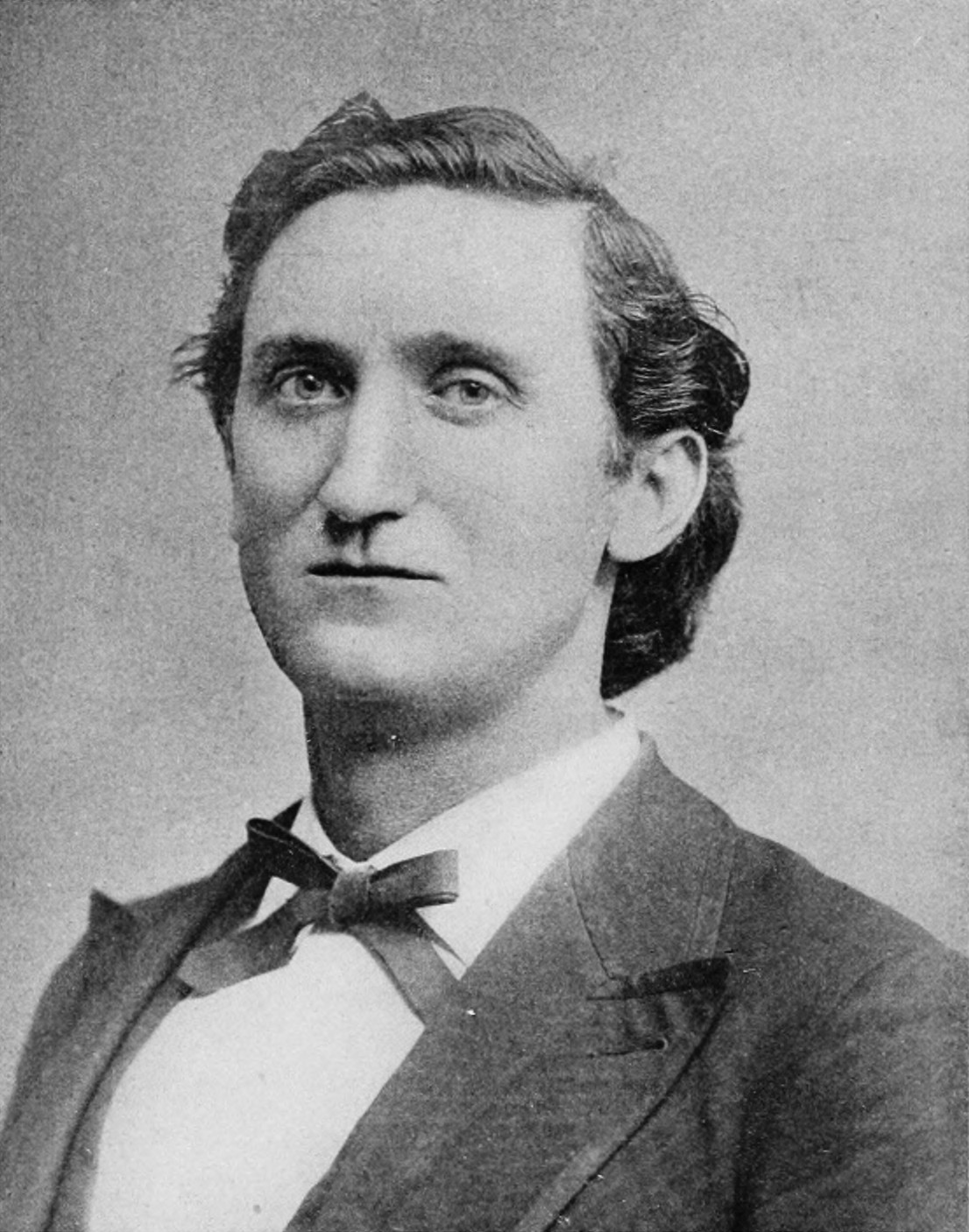
John Cranford
Former U.S. Representative · Texas District 4 · 1897–1899 · Democratic
John Cranford represented Texas's District 4 in the United States House of Representatives (1897–1899) for the Democratic party. The page below collects sourced biographical facts, term history, committee roles, and provenance for Cranford.
Bioguide ID: C000876
Key facts
- Full name
- John Cranford
- State
- Texas
- District
- District 4
- Party
- Democratic
- House service
- 1897–1899
- First House term
- 1897
- Status
- Left office
- Current term ends
- —
- Born
- —
- Bioguide ID
- C000876
- Committee assignments
- —
- Dataset version
- 1.20260606
Biographical narrative
821 words · sourced from the Wikipedia REST extract
John Cranford was an American attorney and politician who served as a Democratic U.S. Representative for Texas's 4th congressional district from 1897 until his death in 1899. Prior to his tenure in the U.S. House of Representatives, Cranford had a notable political career in the Texas Senate, where he held various leadership positions. His life was marked by personal challenges and a commitment to public service, reflecting the complexities of the era in which he lived.
Early life and career
John Walter Cranford was born on July 28, 1859, near Grove Hill, Alabama. He was the son of Dr. James H. Cranford and Caroline Bettis Cranford. His early education took place in Alabama, but the aftermath of the American Civil War prompted significant changes in his family's circumstances. In 1865, following the war, Cranford's family relocated to Hopkins County, Texas. This move marked the beginning of a new chapter in his life, as he faced the loss of both parents by the age of 13, which left him to navigate his formative years largely on his own.
After settling in Texas, Cranford pursued his education through local schools and private tutoring. He worked various jobs to support himself while continuing his studies. His determination to succeed led him to study law under the guidance of a local attorney. After successfully passing the bar examination, he established a legal practice in Sulphur Springs, Texas. This foundation in law would later serve as a crucial element of his political career.
Cranford's entry into politics began with his election to the Texas Senate in 1888, where he represented the 5th district, which included Hunt, Hopkins, Delta, Franklin, and Camp Counties. His tenure in the Texas Senate lasted until 1896, during which he held significant leadership roles. He served as the chairman of the committees on State Affairs and Engrossed Bills, and from 1890 to 1891, he was appointed president pro tem of the Senate. These positions allowed him to influence legislative processes and contribute to the governance of Texas during a period of growth and change.
House tenure
Cranford's political career advanced when he was elected to the 55th United States Congress in 1896. He officially took office on March 4, 1897, representing Texas's 4th congressional district. His time in the House of Representatives was characterized by a commitment to his constituents and the issues facing Texas at the time. Cranford served in the House until his death on March 3, 1899, which coincided with the final day of his congressional term.
During his brief tenure in Congress, Cranford was part of a legislative body that was navigating the complexities of the late 19th century, including issues related to economic development, civil rights, and the expansion of federal authority. Although specific details regarding his legislative actions and voting record are not provided, it can be inferred that as a member of the Democratic Party, he would have aligned with the party's platform and priorities of the time.
Cranford's life came to an untimely end in Washington, D.C., where he passed away just one day before the conclusion of his congressional term. His contributions to both Texas and the nation were recognized posthumously, and he was interred in the City Cemetery in Sulphur Springs, Texas.
Legislative focus and committees
While specific details about Cranford's legislative focus during his time in the U.S. House of Representatives are not extensively documented, it is important to contextualize his work within the broader framework of the Democratic Party's objectives during the late 19th century. This period was marked by significant social and economic changes, including industrialization, urbanization, and the ongoing struggle for civil rights. As a member of the House, Cranford would have engaged with these pressing issues, representing the interests of his constituents in Texas.
Prior to his congressional service, Cranford's experience in the Texas Senate equipped him with valuable insights into legislative processes and governance. His roles as chairman of key committees, including State Affairs and Engrossed Bills, likely informed his approach to legislation at the federal level. The skills he developed in these positions would have been instrumental in navigating the complexities of congressional debates and negotiations.
Cranford's commitment to public service was evident throughout his political career, beginning with his early years in local government and culminating in his role as a U.S. Representative. His legislative focus would have reflected the needs and concerns of his district, as well as the evolving political landscape of the United States during his time in office.
In summary, John Cranford's life and career were shaped by personal resilience and a dedication to public service. From his early struggles in Alabama and Texas to his political achievements in the Texas Senate and the U.S. House of Representatives, Cranford's journey reflects the challenges and opportunities of his era. His legacy continues to be remembered in the context of Texas history and the broader narrative of American politics.
Notable legislation
Sponsored and co-sponsored legislation for John Cranford is pending operator curation. The biographical narrative above carries the same provenance trail until per-bill rows are written.
Sources
- [1]https://en.wikipedia.org/wiki/John_W._CranfordWikipedia · retrieved 2026-06-06
Notable quotes
Sourced quotes for John Cranford are pending operator curation. Narrative-scope provenance remains attached below.
Sources
- [1]https://en.wikipedia.org/wiki/John_W._CranfordWikipedia · retrieved 2026-06-06
Key positions
Curated policy positions for John Cranford are pending operator review. The biographical narrative above carries the same provenance trail until per-topic positions are written.
Sources
- [1]https://en.wikipedia.org/wiki/John_W._CranfordWikipedia · retrieved 2026-06-06
Terms served
- 1897–1899U.S. House · Term 1 · Democratic
Sources & provenance
Every attributable claim above carries a per-section [N] marker that resolves to the corresponding URL below. Each entry records the upstream provider, the canonical URL, and the timestamp at which the source was retrieved by the ingest pipeline.
Key facts
- https://bioguide.congress.gov/search/bio/C000876bioguide · retrieved 2026-06-06
- https://www.govtrack.us/congress/members/402989govtrack · retrieved 2026-06-06
Biographical narrative
- https://en.wikipedia.org/wiki/John_W._Cranfordwikipedia · retrieved 2026-06-06
Find your representative
Every U.S. state elects representatives by district. Browse Texas’s delegation, the full former-representative roster, or explore the role and term length.
Related on The Candidate
- Preceded by David CulbersonEarlier holder of the Texas District 4 House seat · Democratic.Open
- Succeeded by John SheppardLater holder of the Texas District 4 House seat · Democratic.Open
- Charles StewartFormer U.S. Representative · Texas District 1 · DemocraticOpen
- David KaufmanFormer U.S. Representative · Texas District 1 · DemocraticOpen
- Eugene BlackFormer U.S. Representative · Texas District 1 · DemocraticOpen
- George SmythFormer U.S. Representative · Texas District 1 · DemocraticOpen