
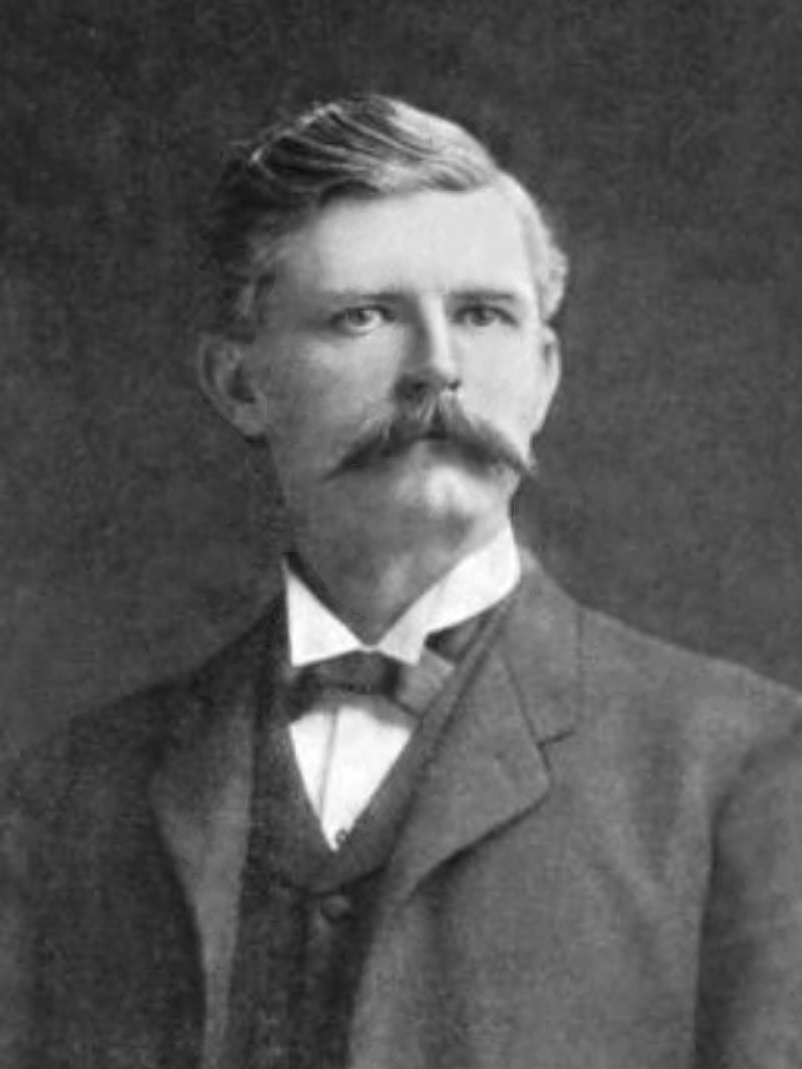
Historical · U.S. House · Texas · District 9
George Burgess
Former U.S. Representative · Texas District 9 · 1901–1917 · Democratic
George Burgess represented Texas's District 9 in the United States House of Representatives (1901–1917) for the Democratic party. The page below collects sourced biographical facts, term history, committee roles, and provenance for Burgess.
Bioguide ID: B001083
Key facts
- Full name
- George Burgess
- State
- Texas
- District
- District 9
- Party
- Democratic
- House service
- 1901–1917
- First House term
- 1901
- Status
- Left office
- Current term ends
- —
- Born
- 1861
- Bioguide ID
- B001083
- Committee assignments
- —
- Dataset version
- 1.20260606
Biographical narrative
913 words · sourced from the Wikipedia REST extract
George Burgess was a prominent U.S. Representative from Texas, serving in the House of Representatives for eight consecutive terms from 1901 to 1917. A member of the Democratic Party, Burgess played a significant role in the legislative processes of his time, representing the interests of Texas's 9th congressional district. His career in public service was preceded by a background in law and local governance, reflecting a commitment to both his community and the broader political landscape of the United States during the early 20th century.
Early life and career
George Burgess was born on September 21, 1861, in Wharton, Texas. His early education took place in common schools, which provided him with a foundational knowledge that would later support his professional pursuits. In 1880, he moved with his mother to Fayette County, where he engaged in agricultural activities near the town of Flatonia. This rural upbringing likely influenced his understanding of the needs and concerns of his constituents, many of whom were involved in similar agricultural endeavors.
In addition to farming, Burgess took on various roles that would shape his career trajectory. He worked as a clerk in a country store, gaining valuable experience in commerce and community relations. Recognizing the importance of legal knowledge, he pursued the study of law and was admitted to the bar in 1882. This achievement marked the beginning of his legal career, which he commenced in La Grange, Texas. His legal practice would later serve as a foundation for his political career, as many politicians of the era had backgrounds in law.
Burgess relocated to Gonzales, Texas, in 1884, where he continued to build his legal practice. His commitment to public service became evident when he was elected as the prosecuting attorney of Gonzales County, a position he held from 1886 until 1889. This role allowed him to gain insight into the workings of the legal system and the needs of the community, further preparing him for a future in public office. After resigning from this position, Burgess continued to practice law, establishing himself as a respected figure in Gonzales.
House tenure
George Burgess's political career in the U.S. House of Representatives began when he was elected as a Democrat to the Fifty-seventh Congress, which convened on March 4, 1901. He successfully secured re-election for seven additional terms, serving in the House until March 3, 1917. His tenure spanned a period of significant change in American society, including economic growth, social reform movements, and the lead-up to the United States' involvement in World War I.
During his time in Congress, Burgess represented Texas's 9th congressional district, which included a diverse population with varying interests and needs. As a member of the Democratic Party, he aligned with the party's platform, which at the time focused on issues such as agrarian reform, labor rights, and civil rights. His legislative work would have involved addressing the concerns of his constituents, advocating for policies that would benefit the agricultural sector, and supporting initiatives aimed at improving the lives of ordinary Americans.
Burgess's political career also included an attempt to secure a higher office. In 1916, he ran for the Democratic nomination for United States Senator but was unsuccessful in his bid. This attempt reflects his ambition and desire to further contribute to the governance of Texas and the nation. Following his time in Congress, he returned to his legal practice in Gonzales, where he continued to serve his community until his passing.
Legislative focus and committees
Throughout his eight terms in the House of Representatives, George Burgess was involved in various legislative initiatives that reflected the priorities of his constituents and the Democratic Party. While specific details regarding the bills he sponsored or supported are not provided, it can be inferred that his background in law and local governance informed his approach to legislation. Given the era in which he served, Burgess likely focused on issues pertinent to agriculture, labor, and civil rights, which were central to the Democratic agenda at the time.
As a member of Congress, Burgess would have participated in committee work, which is crucial for shaping legislation and addressing specific policy areas. While the exact committees he served on are not detailed, members of Congress typically engage in committees that align with their interests and the needs of their districts. Committees play a vital role in reviewing proposed legislation, conducting hearings, and making recommendations to the full House. Burgess's legal background would have been an asset in these discussions, allowing him to contribute meaningfully to the legislative process.
Burgess's legislative focus would have been influenced by the socio-economic conditions of the early 20th century, including the challenges faced by farmers and laborers. The period was marked by significant changes, including the rise of industrialization and urbanization, which transformed the American landscape. As a representative from a predominantly agricultural district, Burgess likely advocated for policies that supported farmers and addressed their concerns regarding market access, pricing, and labor conditions.
After concluding his congressional service on March 3, 1917, Burgess returned to Gonzales, Texas, where he resumed his legal practice. He continued to engage with his community until his death on December 31, 1919. His contributions to Texas and the nation during his time in office remain a part of the historical record, reflecting the complexities and challenges of the era in which he served. Burgess was interred in the Masonic Cemetery, marking the end of a life dedicated to public service and the legal profession.
Notable legislation
Sponsored and co-sponsored legislation for George Burgess is pending operator curation. The biographical narrative above carries the same provenance trail until per-bill rows are written.
Sources
- [1]https://en.wikipedia.org/wiki/George_F._BurgessWikipedia · retrieved 2026-06-06
Notable quotes
Sourced quotes for George Burgess are pending operator curation. Narrative-scope provenance remains attached below.
Sources
- [1]https://en.wikipedia.org/wiki/George_F._BurgessWikipedia · retrieved 2026-06-06
Key positions
Curated policy positions for George Burgess are pending operator review. The biographical narrative above carries the same provenance trail until per-topic positions are written.
Sources
- [1]https://en.wikipedia.org/wiki/George_F._BurgessWikipedia · retrieved 2026-06-06
Terms served
- 1901–1903U.S. House · Term 1 · Democratic
- 1903–1905U.S. House · Term 2 · Democratic
- 1905–1907U.S. House · Term 3 · Democratic
- 1907–1909U.S. House · Term 4 · Democratic
- 1909–1911U.S. House · Term 5 · Democratic
- 1911–1913U.S. House · Term 6 · Democratic
- 1913–1915U.S. House · Term 7 · Democratic
- 1915–1917U.S. House · Term 8 · Democratic
Sources & provenance
Every attributable claim above carries a per-section [N] marker that resolves to the corresponding URL below. Each entry records the upstream provider, the canonical URL, and the timestamp at which the source was retrieved by the ingest pipeline.
Key facts
- https://bioguide.congress.gov/search/bio/B001083bioguide · retrieved 2026-06-06
- https://www.govtrack.us/congress/members/402029govtrack · retrieved 2026-06-06
Biographical narrative
- https://en.wikipedia.org/wiki/George_F._Burgesswikipedia · retrieved 2026-06-06
Find your representative
Every U.S. state elects representatives by district. Browse Texas’s delegation, the full former-representative roster, or explore the role and term length.
Related on The Candidate
- Preceded by Joseph SayersEarlier holder of the Texas District 9 House seat · Democratic.Open
- Succeeded by Joseph MansfieldLater holder of the Texas District 9 House seat · Democratic.Open
- Charles StewartFormer U.S. Representative · Texas District 1 · DemocraticOpen
- David KaufmanFormer U.S. Representative · Texas District 1 · DemocraticOpen
- Eugene BlackFormer U.S. Representative · Texas District 1 · DemocraticOpen
- George SmythFormer U.S. Representative · Texas District 1 · DemocraticOpen