
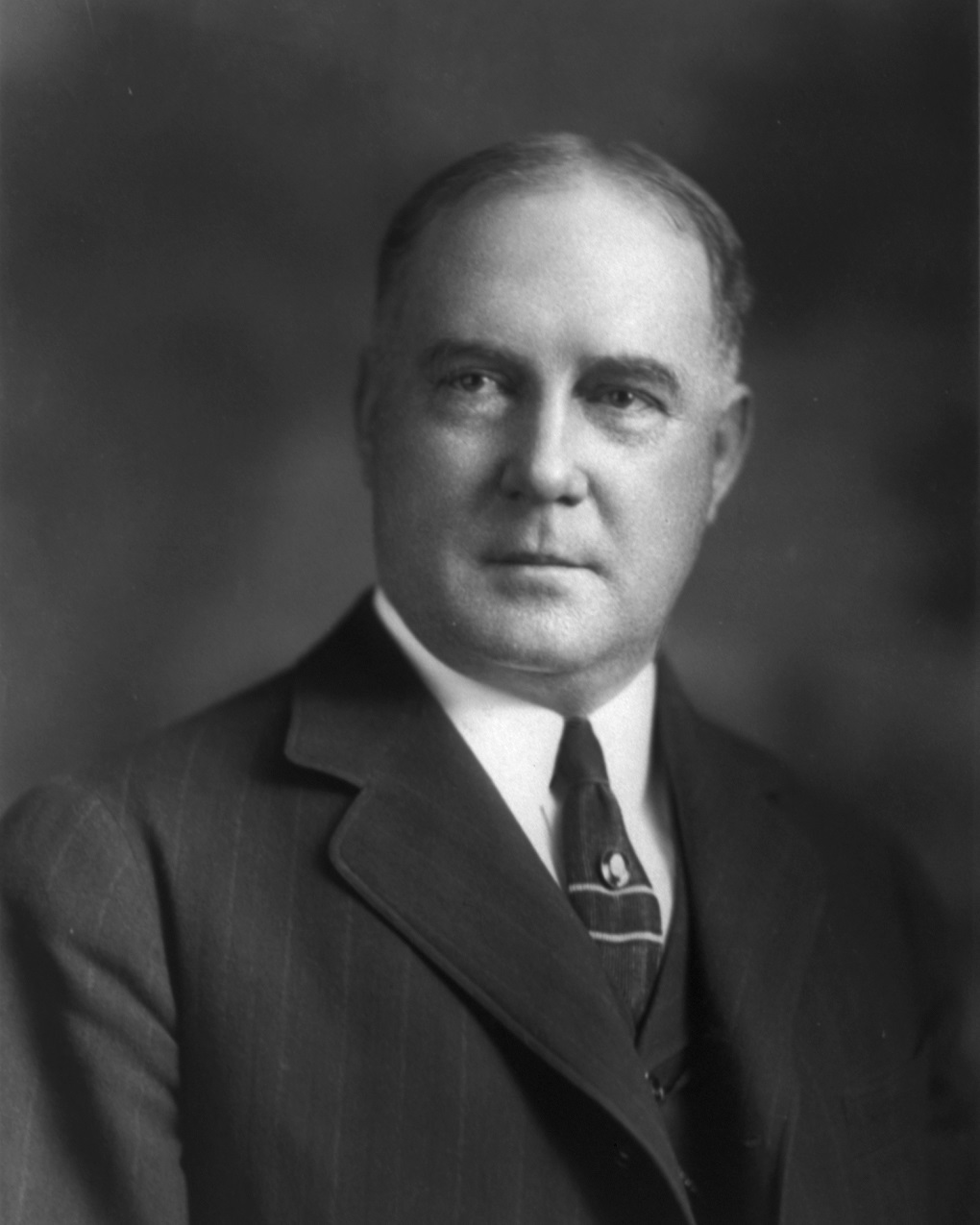
Historical · U.S. House · Virginia · District 3
Andrew Montague
Former U.S. Representative · Virginia District 3 · 1913–1939 · Democratic
Andrew Montague represented Virginia's District 3 in the United States House of Representatives (1913–1939) for the Democratic party. The page below collects sourced biographical facts, term history, committee roles, and provenance for Montague.
Bioguide ID: M000861
Key facts
- Full name
- Andrew Montague
- State
- Virginia
- District
- District 3
- Party
- Democratic
- House service
- 1913–1939
- First House term
- 1913
- Status
- Left office
- Current term ends
- —
- Born
- 1862
- Bioguide ID
- M000861
- Committee assignments
- —
- Dataset version
- 1.20260605
Biographical narrative
834 words · sourced from the Wikipedia REST extract
Andrew Montague was a prominent American politician and lawyer who served as a U.S. Representative for Virginia's 3rd congressional district from 1913 until his death in 1937. A member of the Democratic Party, Montague had a long and varied political career that included serving as the 44th governor of Virginia from 1902 to 1906. His tenure in public office was marked by significant involvement in both state and national politics, where he transitioned from a Progressive stance to a more conservative approach as a member of Congress.
Early life and career
Andrew Jackson Montague was born on October 3, 1862, in Campbell County, Virginia, near Lynchburg. He was the son of Robert Latane Montague, a notable Confederate officer and later a state judge, who played a significant role in Virginia's political landscape during the Civil War. Montague’s name was chosen in honor of his uncle, a cadet at the Virginia Military Institute who lost his life during the conflict. Following the war, Montague's family relocated to the Tidewater region of Virginia, where he grew up working on the family farm and attending local schools in Middlesex County and Williamsburg.
After the death of his father in 1880, Montague moved to Richmond, Virginia, to pursue his education. He attended Richmond College, which later became the University of Richmond, where he gained recognition for his oratory and debating skills. Following his studies, he worked as a private tutor before enrolling in the University of Virginia to study law. He graduated with a law degree in 1885 and subsequently received an honorary doctorate of laws from Brown University in 1905.
Montague began his legal career in Danville, Virginia, after being admitted to the Virginia bar. He quickly became involved in local Democratic Party politics. His political career took off when he developed a relationship with President Grover Cleveland, who appointed him as the United States Attorney for the Western District of Virginia in 1893. Montague served in this capacity for five years before being elected as the Attorney General of Virginia in 1898.
House tenure
Montague's political career continued to evolve as he transitioned from state to national politics. He was elected to the U.S. House of Representatives in 1912, representing Virginia's 3rd congressional district. His first term began in 1913, and he would go on to serve a total of 13 terms in the House until his death in 1937. During this time, Montague was involved in various legislative efforts and was known for his active participation in the political discourse of the era.
As a Congressman, Montague's political alignment shifted over the years. Initially associated with the Progressive movement, he later became a Conservative Democrat and aligned himself with the Byrd Organization, a powerful political faction in Virginia. His long tenure in the House allowed him to build significant influence within the Democratic Party and to engage with a wide range of national issues.
Montague's legislative career was characterized by his commitment to various causes, including education reform and infrastructure development. His earlier experiences as governor informed his approach to legislation, as he continued to advocate for policies that would benefit his constituents and the state of Virginia.
Legislative focus and committees
Throughout his time in the House of Representatives, Montague focused on a variety of legislative issues, reflecting both his personal interests and the needs of his constituents. He was particularly concerned with education, infrastructure, and the economic well-being of Virginia. His background as a lawyer and former governor provided him with a unique perspective on the legislative process and the importance of effective governance.
Montague's involvement in education reform was a continuation of his earlier efforts as governor, where he had championed the cause of improved public education in Virginia. He sought to enhance educational opportunities for all citizens, advocating for increased funding and resources for schools. His commitment to education was rooted in the belief that a well-educated populace was essential for the progress of society.
In addition to education, Montague was also an advocate for infrastructure improvements, particularly in the realm of transportation. His support for road construction and maintenance was part of a broader agenda to modernize Virginia's infrastructure, which he believed was crucial for economic development and accessibility.
Montague served on several important committees during his time in the House, which allowed him to influence legislation on a national scale. His experience and connections within the Democratic Party enabled him to play a significant role in shaping policies that aligned with his legislative priorities.
In summary, Andrew Montague's career as a U.S. Representative was marked by a dedication to public service and a focus on issues that affected the lives of his constituents. His transition from a Progressive governor to a Conservative Congressman illustrates the complexities of political alignment and the evolving nature of American politics during the early 20th century. Montague's legacy is defined by his long tenure in public office and his contributions to the state of Virginia and the nation as a whole.
Notable legislation
Sponsored and co-sponsored legislation for Andrew Montague is pending operator curation. The biographical narrative above carries the same provenance trail until per-bill rows are written.
Sources
- [1]https://en.wikipedia.org/wiki/Andrew_Jackson_MontagueWikipedia · retrieved 2026-06-05
Notable quotes
Sourced quotes for Andrew Montague are pending operator curation. Narrative-scope provenance remains attached below.
Sources
- [1]https://en.wikipedia.org/wiki/Andrew_Jackson_MontagueWikipedia · retrieved 2026-06-05
Key positions
Curated policy positions for Andrew Montague are pending operator review. The biographical narrative above carries the same provenance trail until per-topic positions are written.
Sources
- [1]https://en.wikipedia.org/wiki/Andrew_Jackson_MontagueWikipedia · retrieved 2026-06-05
Terms served
- 1913–1915U.S. House · Term 1 · Democratic
- 1915–1917U.S. House · Term 2 · Democratic
- 1917–1919U.S. House · Term 3 · Democratic
- 1919–1921U.S. House · Term 4 · Democratic
- 1921–1923U.S. House · Term 5 · Democratic
- 1923–1925U.S. House · Term 6 · Democratic
- 1925–1927U.S. House · Term 7 · Democratic
- 1927–1929U.S. House · Term 8 · Democratic
- 1929–1931U.S. House · Term 9 · Democratic
- 1931–1933U.S. House · Term 10 · Democratic
- 1933–1935U.S. House · Term 11 · Democratic
- 1935–1937U.S. House · Term 12 · Democratic
- 1937–1939U.S. House · Term 13 · Democratic
Sources & provenance
Every attributable claim above carries a per-section [N] marker that resolves to the corresponding URL below. Each entry records the upstream provider, the canonical URL, and the timestamp at which the source was retrieved by the ingest pipeline.
Key facts
- https://bioguide.congress.gov/search/bio/M000861bioguide · retrieved 2026-06-05
- https://www.govtrack.us/congress/members/407834govtrack · retrieved 2026-06-05
Biographical narrative
- https://en.wikipedia.org/wiki/Andrew_Jackson_Montaguewikipedia · retrieved 2026-06-05
Find your representative
Every U.S. state elects representatives by district. Browse Virginia’s delegation, the full former-representative roster, or explore the role and term length.
Related on The Candidate
- Preceded by John LambEarlier holder of the Virginia District 3 House seat · Democratic.Open
- Succeeded by Julian GaryLater holder of the Virginia District 3 House seat · Democratic.Open
- Alexander WhiteFormer U.S. Representative · Virginia District 1Open
- Archibald AtkinsonFormer U.S. Representative · Virginia District 1 · DemocraticOpen
- Beverly DouglasFormer U.S. Representative · Virginia District 1 · DemocraticOpen
- Daniel MorganFormer U.S. Representative · Virginia District 1 · FederalistOpen