
Historical · U.S. House · Wisconsin · District 2
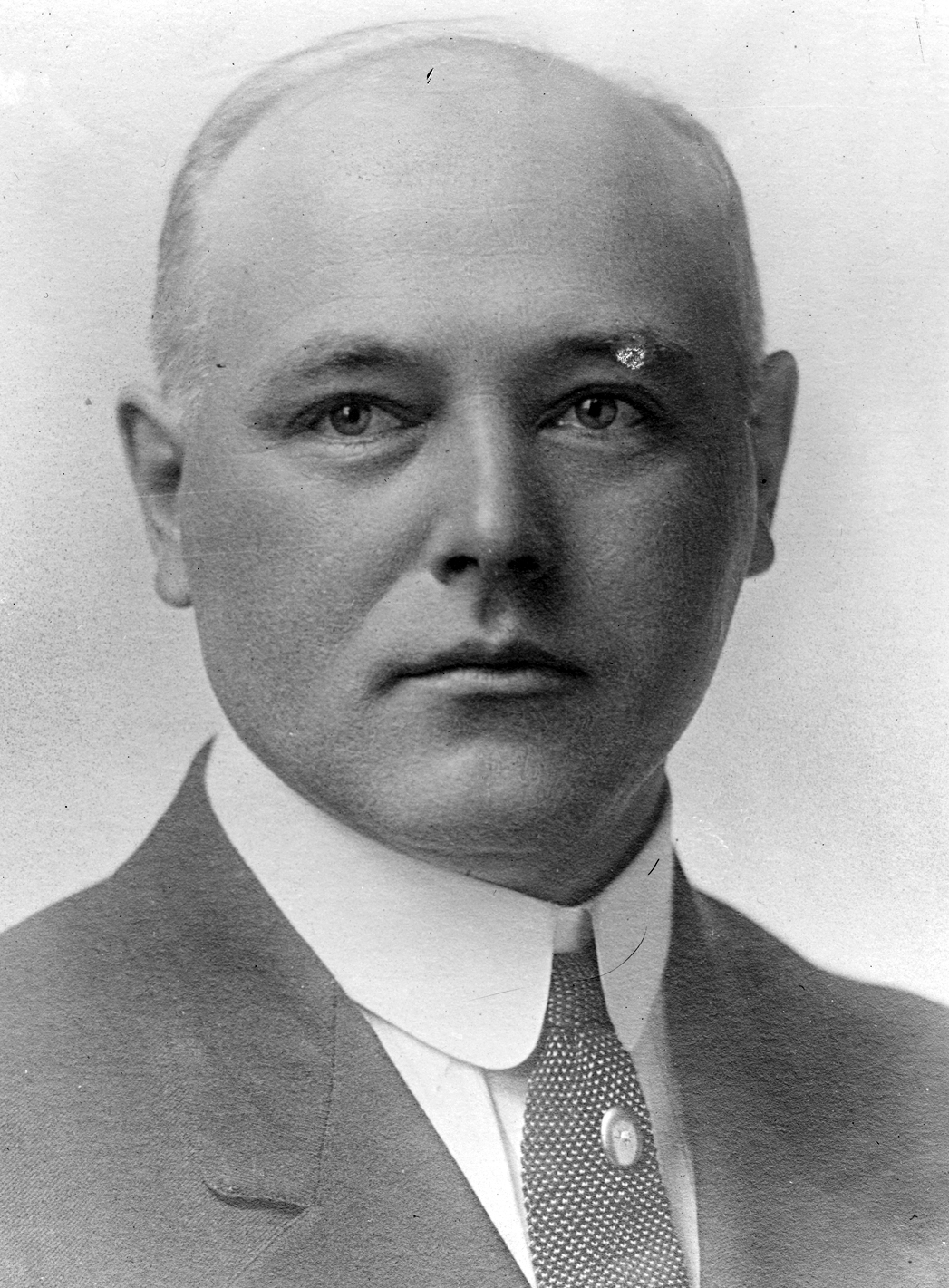
Edward Voigt
Former U.S. Representative · Wisconsin District 2 · 1917–1927 · Republican
Edward Voigt represented Wisconsin's District 2 in the United States House of Representatives (1917–1927) for the Republican party. The page below collects sourced biographical facts, term history, committee roles, and provenance for Voigt.
Bioguide ID: V000110
Key facts
- Full name
- Edward Voigt
- State
- Wisconsin
- District
- District 2
- Party
- Republican
- House service
- 1917–1927
- First House term
- 1917
- Status
- Left office
- Current term ends
- —
- Born
- 1873
- Bioguide ID
- V000110
- Committee assignments
- —
- Dataset version
- 1.20260606
Biographical narrative
977 words · sourced from the Wikipedia REST extract
Edward Voigt was a German American immigrant, lawyer, and Republican politician who served as a U.S. Representative for Wisconsin's 2nd congressional district from 1917 to 1927. His political career was marked by five consecutive terms in the House of Representatives, during which he engaged in various legislative activities and represented the interests of his constituents in Wisconsin. After his time in Congress, Voigt continued his career in law and later served as a judge in the Wisconsin Circuit Court until his death in 1934.
Early life and career
Edward Voigt was born on December 1, 1873, in Bremen, Germany. His early life was shaped by his family's immigration to the United States when he was a child. In 1883, Voigt and his parents settled in Milwaukee, Wisconsin, where they became part of the growing German American community. This transition marked the beginning of Voigt's journey in a new country, where he would eventually pursue a career in law and politics.
Voigt's educational pursuits led him to the University of Wisconsin–Madison, where he enrolled in the law department. He graduated in 1899, marking a significant milestone in his professional development. Upon completing his education, he was admitted to the bar the same year and began his legal practice in Sheboygan, Wisconsin. His early career in law included working in various law and insurance offices, which provided him with valuable experience in the legal field.
Voigt's commitment to public service became evident as he took on roles that would further his involvement in the legal and political landscape of Wisconsin. He served as the district attorney for Sheboygan County from 1905 to 1911, a position that allowed him to gain insight into the workings of the legal system and the needs of his community. Following this role, he was appointed as the city attorney for Sheboygan, serving from 1913 until 1917. These positions not only established his reputation as a capable lawyer but also laid the groundwork for his future political career.
House tenure
Edward Voigt's political career took a significant turn when he was elected to the U.S. House of Representatives as a member of the Republican Party. He began his first term on March 4, 1917, representing Wisconsin's 2nd congressional district. Over the course of his political career, he was elected to five consecutive terms, serving until March 3, 1927. His tenure in Congress coincided with a period of significant national and international events, including World War I.
During his time in the House, Voigt was involved in various legislative matters and participated in the debates and discussions that shaped the policies of the era. Notably, he voted against the declaration of war on Germany on April 5, 1917, a decision that reflected his views on the conflict and its implications for the United States. This vote was significant, as it occurred shortly after the U.S. entered World War I, and it highlighted the complexities of public opinion regarding the war.
Voigt's political activities extended beyond his legislative duties. He was also a delegate to the Republican National Convention in 1924, where he participated in the broader political discourse of the time. His involvement in the convention underscored his commitment to the Republican Party and its principles, as well as his desire to influence the direction of national politics.
Despite his active participation in Congress, Voigt chose not to seek reelection in 1926 for the Seventieth Congress. This decision marked the end of his direct involvement in federal politics, but it did not conclude his public service career.
Legislative focus and committees
Throughout his five terms in the U.S. House of Representatives, Edward Voigt's legislative focus reflected the interests and concerns of his constituents in Wisconsin's 2nd congressional district. While specific details regarding the bills he sponsored or the committees he served on are not provided, it can be inferred that, as a member of the Republican Party during a time of significant change in the United States, Voigt would have engaged with issues pertinent to his district and the nation.
The early 20th century was a transformative period in American history, characterized by industrialization, urbanization, and social change. Voigt's background as a lawyer and his experience in local government likely informed his approach to legislative matters, as he would have been attuned to the legal and economic challenges facing his constituents. His role as a city attorney and district attorney would have provided him with insights into the legal needs of the community, which may have influenced his legislative priorities.
In addition to his legislative work, Voigt's participation in the Republican National Convention in 1924 indicates his engagement with broader party issues and national policies. This involvement suggests that he was not only focused on local matters but also on the national political landscape, which was undergoing significant shifts during this time.
After concluding his congressional career, Voigt returned to Sheboygan, where he resumed his legal practice. His expertise and reputation in the legal field led to his election as a judge of the fourth judicial Wisconsin Circuit Court in 1928. He served in this capacity from January 1929 until his death on August 26, 1934. Voigt's judicial role allowed him to continue contributing to the legal system and public service in Wisconsin.
Edward Voigt's life and career reflect the journey of an immigrant who became an influential figure in his community and in American politics. His experiences as a lawyer, public servant, and legislator illustrate the complexities of early 20th-century American life, as well as the opportunities and challenges faced by individuals in positions of authority. His legacy is marked by his commitment to public service and the impact he had on the legal and political landscape of Wisconsin. Voigt was interred in Forest Home Cemetery in Milwaukee, Wisconsin, leaving behind a record of service that spanned both local and national levels.
Notable legislation
Sponsored and co-sponsored legislation for Edward Voigt is pending operator curation. The biographical narrative above carries the same provenance trail until per-bill rows are written.
Sources
- [1]https://en.wikipedia.org/wiki/Edward_VoigtWikipedia · retrieved 2026-06-06
Notable quotes
Sourced quotes for Edward Voigt are pending operator curation. Narrative-scope provenance remains attached below.
Sources
- [1]https://en.wikipedia.org/wiki/Edward_VoigtWikipedia · retrieved 2026-06-06
Key positions
Curated policy positions for Edward Voigt are pending operator review. The biographical narrative above carries the same provenance trail until per-topic positions are written.
Sources
- [1]https://en.wikipedia.org/wiki/Edward_VoigtWikipedia · retrieved 2026-06-06
Terms served
- 1917–1919U.S. House · Term 1 · Republican
- 1919–1921U.S. House · Term 2 · Republican
- 1921–1923U.S. House · Term 3 · Republican
- 1923–1925U.S. House · Term 4 · Republican
- 1925–1927U.S. House · Term 5 · Republican
Sources & provenance
Every attributable claim above carries a per-section [N] marker that resolves to the corresponding URL below. Each entry records the upstream provider, the canonical URL, and the timestamp at which the source was retrieved by the ingest pipeline.
Key facts
- https://bioguide.congress.gov/search/bio/V000110bioguide · retrieved 2026-06-06
- https://www.govtrack.us/congress/members/411164govtrack · retrieved 2026-06-06
Biographical narrative
- https://en.wikipedia.org/wiki/Edward_Voigtwikipedia · retrieved 2026-06-06
Find your representative
Every U.S. state elects representatives by district. Browse Wisconsin’s delegation, the full former-representative roster, or explore the role and term length.
Related on The Candidate
- Preceded by Michael BurkeEarlier holder of the Wisconsin District 2 House seat · Democratic.Open
- Succeeded by Charles KadingLater holder of the Wisconsin District 2 House seat · Republican.Open
- Charles WilliamsFormer U.S. Representative · Wisconsin District 1 · RepublicanOpen
- Clifford RandallFormer U.S. Representative · Wisconsin District 1 · RepublicanOpen
- Clinton BabbittFormer U.S. Representative · Wisconsin District 1 · DemocraticOpen
- Daniel Wells Jr.Former U.S. Representative · Wisconsin District 1 · DemocraticOpen