
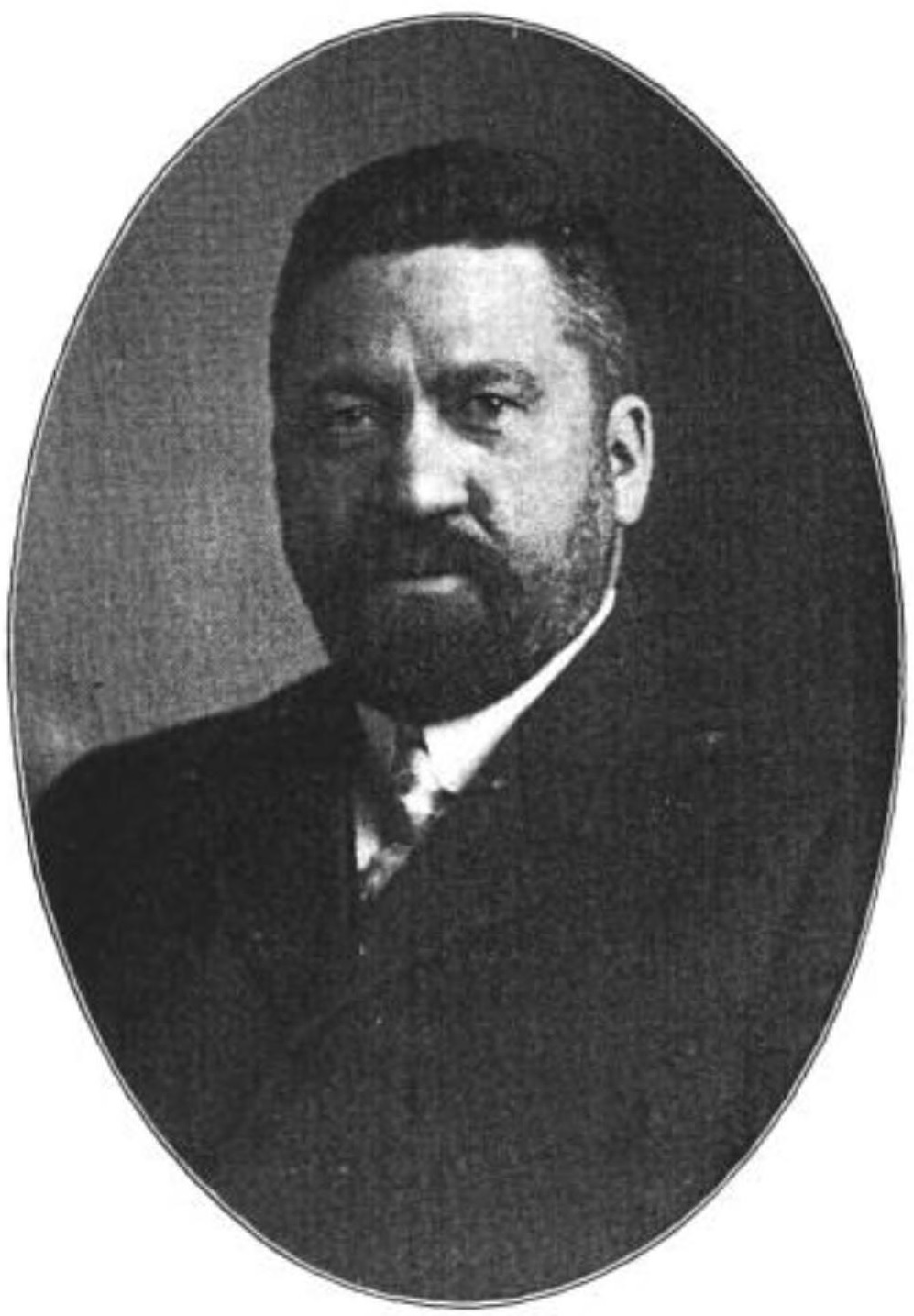
Historical · U.S. House · Wisconsin · District 2
Michael Burke
Former U.S. Representative · Wisconsin District 2 · 1911–1917 · Democratic
Michael Burke represented Wisconsin's District 2 in the United States House of Representatives (1911–1917) for the Democratic party. The page below collects sourced biographical facts, term history, committee roles, and provenance for Burke.
Bioguide ID: B001095
Key facts
- Full name
- Michael Burke
- State
- Wisconsin
- District
- District 2
- Party
- Democratic
- House service
- 1911–1917
- First House term
- 1911
- Status
- Left office
- Current term ends
- —
- Born
- 1863
- Bioguide ID
- B001095
- Committee assignments
- —
- Dataset version
- 1.20260606
Biographical narrative
1,040 words · sourced from the Wikipedia REST extract
Michael Burke was an American lawyer and politician who served as a Democratic U.S. Representative for Wisconsin's 2nd congressional district from 1911 to 1917. His political career spanned various levels of government, including service in the Wisconsin State Assembly and the Wisconsin State Senate, as well as a term as mayor of Beaver Dam, Wisconsin. Burke's legislative work in Congress was marked by his representation of east-central Wisconsin, where he focused on issues pertinent to his constituents during a transformative period in American history.
Early life and career
Michael Edmund Burke was born on October 15, 1863, in Beaver Dam, Wisconsin. He grew up in a community that would later become central to his political career. Burke received his early education in the local public schools, which laid the foundation for his future academic pursuits. He graduated from Wayland Academy in Beaver Dam in 1884, an institution known for its rigorous academic standards. Following his graduation, Burke pursued a legal education at the University of Wisconsin–Madison during the years 1886 and 1887. His studies in law prepared him for a career that would intertwine legal practice and public service.
In 1888, Burke was admitted to the bar and began his legal career in Beaver Dam, where he established himself as a practicing attorney. His initial foray into public service began shortly thereafter, as he served as the town clerk from 1887 to 1889. This role provided him with valuable experience in local governance and laid the groundwork for his future political ambitions. Burke's political career took a significant step forward when he was elected to the Wisconsin State Assembly, serving from 1891 to 1893. His tenure in the Assembly allowed him to gain insights into state-level legislation and the workings of government.
Following his time in the Assembly, Burke continued his public service by serving in the Wisconsin State Senate from 1895 to 1899. During this period, he represented Dodge County, further solidifying his political presence in the region. In addition to his legislative roles, Burke also served as the city attorney of Beaver Dam from 1893 to 1908. This position allowed him to engage directly with legal matters affecting the city and its residents, enhancing his reputation as a dedicated public servant.
In 1904, Burke was selected as a delegate to the Democratic National Convention, an experience that connected him with national political leaders and issues. His political career continued to evolve when he was elected mayor of Beaver Dam, serving from 1908 to 1910. As mayor, Burke was responsible for overseeing the city's administration and addressing local concerns, further establishing his commitment to public service and his community.
Burke's personal life also played a role in his public persona. He married Emma Sontag in 1898, and together they contributed to the social fabric of Beaver Dam. Their marriage marked a significant personal milestone for Burke, intertwining his family life with his professional endeavors.
House tenure
Burke's congressional career began when he was elected as a Democrat to the Sixty-second United States Congress, representing Wisconsin's 6th congressional district. His term commenced on March 4, 1911, and lasted until March 3, 1913. During this initial term, Burke focused on issues relevant to his constituents, leveraging his background in law and local governance to advocate for their needs.
Following his first term, Burke was reelected to the Sixty-third and Sixty-fourth Congresses, this time representing Wisconsin's 2nd congressional district from March 4, 1913, to March 3, 1917. This transition in congressional districts reflected the changing political landscape of Wisconsin and Burke's ability to adapt to new electoral dynamics. Throughout his time in Congress, Burke participated in various legislative discussions and contributed to the development of policies that impacted his district and the nation.
Despite his efforts and contributions, Burke faced challenges in his political career. He was an unsuccessful candidate for reelection in 1916, marking the end of his tenure in the House of Representatives. His defeat underscored the competitive nature of politics during this era, as well as the shifting priorities of the electorate. Burke's time in Congress concluded on March 3, 1917, after which he returned to his legal practice and community involvement.
Legislative focus and committees
During his time in the U.S. House of Representatives, Michael Burke's legislative focus encompassed a range of issues pertinent to his constituents in Wisconsin. As a member of the Democratic Party, he aligned with the party's platform, which often emphasized social justice, labor rights, and economic reform. Burke's background as a lawyer likely informed his approach to legislation, as he sought to address the legal and social challenges faced by his constituents.
While specific details regarding the committees on which Burke served are not provided, it is common for members of Congress to participate in committees that align with their interests and the needs of their districts. These committees play a crucial role in shaping legislation, conducting hearings, and overseeing various aspects of government policy. Burke's experience in local government and law would have been valuable assets in committee discussions and decision-making processes.
Burke's legislative work occurred during a period of significant change in the United States, characterized by social movements and economic shifts. The early 20th century was marked by the Progressive Era, which sought to address issues such as labor rights, women's suffrage, and government reform. As a representative from Wisconsin, Burke would have been engaged in discussions surrounding these transformative issues, advocating for policies that aligned with the needs of his constituents.
Despite the challenges he faced in his later political career, Burke's contributions to the legislative process during his time in Congress reflect his commitment to public service and the welfare of his community. His experiences in local and state government provided him with a unique perspective on the complexities of governance, which he brought to his role as a U.S. Representative.
Michael Burke passed away on December 12, 1918, in Beaver Dam, Wisconsin. His legacy as a public servant is remembered through his contributions to local and national governance, as well as his dedication to the people of Wisconsin. He was interred in St. Patrick's Cemetery, leaving behind a record of service that spanned multiple levels of government and reflected the values of his time.
Notable legislation
Sponsored and co-sponsored legislation for Michael Burke is pending operator curation. The biographical narrative above carries the same provenance trail until per-bill rows are written.
Sources
- [1]https://en.wikipedia.org/wiki/Michael_E._BurkeWikipedia · retrieved 2026-06-06
Notable quotes
Sourced quotes for Michael Burke are pending operator curation. Narrative-scope provenance remains attached below.
Sources
- [1]https://en.wikipedia.org/wiki/Michael_E._BurkeWikipedia · retrieved 2026-06-06
Key positions
Curated policy positions for Michael Burke are pending operator review. The biographical narrative above carries the same provenance trail until per-topic positions are written.
Sources
- [1]https://en.wikipedia.org/wiki/Michael_E._BurkeWikipedia · retrieved 2026-06-06
Terms served
- 1911–1913U.S. House · Term 1 · Democratic
- 1913–1915U.S. House · Term 2 · Democratic
- 1915–1917U.S. House · Term 3 · Democratic
Sources & provenance
Every attributable claim above carries a per-section [N] marker that resolves to the corresponding URL below. Each entry records the upstream provider, the canonical URL, and the timestamp at which the source was retrieved by the ingest pipeline.
Key facts
- https://bioguide.congress.gov/search/bio/B001095bioguide · retrieved 2026-06-06
- https://www.govtrack.us/congress/members/402041govtrack · retrieved 2026-06-06
Biographical narrative
- https://en.wikipedia.org/wiki/Michael_E._Burkewikipedia · retrieved 2026-06-06
Find your representative
Every U.S. state elects representatives by district. Browse Wisconsin’s delegation, the full former-representative roster, or explore the role and term length.
Related on The Candidate
- Preceded by Henry AdamsEarlier holder of the Wisconsin District 2 House seat · Republican.Open
- Succeeded by Edward VoigtLater holder of the Wisconsin District 2 House seat · Republican.Open
- Charles WilliamsFormer U.S. Representative · Wisconsin District 1 · RepublicanOpen
- Clifford RandallFormer U.S. Representative · Wisconsin District 1 · RepublicanOpen
- Clinton BabbittFormer U.S. Representative · Wisconsin District 1 · DemocraticOpen
- Daniel Wells Jr.Former U.S. Representative · Wisconsin District 1 · DemocraticOpen