
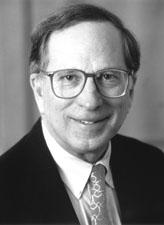
Historical · U.S. Senate · Georgia
Samuel Nunn
Former U.S. Senator from Georgia · 1972–1997 · Democratic · Class 2
Samuel Nunn represented Georgia in the United States Senate (1972–1997) for the Democratic party. The page below collects sourced biographical facts, term history, committee roles, and provenance for Nunn.
Bioguide ID: N000171
Key facts
- Full name
- Samuel Nunn
- State
- Georgia
- Party
- Democratic
- Senate class
- Class II
- Senate service
- 1972–1997
- First Senate term
- 1972
- Status
- Left office
- Current term ends
- —
- Born
- 1938
- Bioguide ID
- N000171
- Committee assignments
- —
- Dataset version
- 1.20260602
Biographical narrative
1,120 words · sourced from the Wikipedia REST extract
Sam Nunn is a former United States Senator who represented the state of Georgia as a member of the Democratic Party. His tenure in the Senate spanned from 1972 until 1997, during which he served five consecutive terms. Nunn is recognized for his significant contributions to national security and defense policy, as well as his influence on various legislative initiatives throughout his career. His political legacy is marked by a focus on bipartisan cooperation and a commitment to addressing complex issues facing the nation.
Early life and career
Sam Nunn was born on September 8, 1938. His early life laid the foundation for his future career in public service and politics. Nunn pursued higher education at Emory University, where he earned a Bachelor of Arts degree. Following his undergraduate studies, he attended the University of Georgia School of Law, where he received his Juris Doctor degree. This legal education provided him with a strong background in law and governance, which would later inform his work as a legislator.
Before entering the Senate, Nunn gained experience in public service through various roles. He began his political career in the Georgia State Legislature, where he served as a member of the Georgia House of Representatives. His time in state politics allowed him to build a network and develop a deeper understanding of the legislative process. Nunn's commitment to public service and his growing reputation as a capable leader eventually led him to seek a seat in the United States Senate.
In 1972, Nunn successfully ran for the Senate, marking the beginning of a long and impactful political career. His election to the Senate came during a time of significant change in American politics, as the nation was grappling with various social and political issues. Nunn's ability to connect with constituents and his focus on pragmatic solutions helped him secure a place in the Senate, where he would serve for over two decades.
Senate tenure
Sam Nunn's Senate career began in 1972, and he quickly established himself as a prominent figure within the Democratic Party. Throughout his tenure, he was known for his ability to work across party lines, which allowed him to build coalitions and advance legislation on a variety of issues. Nunn's approach to governance emphasized the importance of collaboration and compromise, traits that would become hallmarks of his legislative style.
During his time in the Senate, Nunn served on several key committees, which provided him with the opportunity to influence important policy areas. His work on the Armed Services Committee was particularly notable, as he played a crucial role in shaping defense policy during a period marked by the Cold War and significant military engagements. Nunn's expertise in national security matters earned him respect from both colleagues and constituents, and he became a trusted voice on issues related to defense and foreign policy.
In addition to his work on defense, Nunn was involved in various legislative initiatives that addressed pressing domestic concerns. He championed issues related to education, healthcare, and economic development, advocating for policies that aimed to improve the quality of life for Georgians and Americans alike. His ability to navigate complex legislative challenges and build consensus among diverse stakeholders contributed to his effectiveness as a senator.
Nunn's commitment to public service extended beyond his legislative duties. He was known for his active engagement with constituents, often holding town hall meetings and forums to discuss important issues facing the state. This direct connection with the public allowed him to remain attuned to the needs and concerns of his constituents, further enhancing his reputation as a dedicated public servant.
Over the course of his Senate career, Nunn faced various challenges, including shifts in political dynamics and changes in public opinion. However, he remained steadfast in his commitment to his principles and continued to advocate for policies that aligned with his vision for the country. His ability to adapt to the evolving political landscape while maintaining his core values was a testament to his resilience as a legislator.
Nunn's Senate tenure officially concluded on January 3, 1997, after serving five terms in office. His departure from the Senate marked the end of an era for Georgia politics, as he had become a prominent figure not only in the state but also on the national stage. His legacy as a senator is characterized by his dedication to public service, his commitment to bipartisanship, and his significant contributions to national security and defense policy.
Legislative focus and committees
Throughout his time in the Senate, Sam Nunn focused on a range of legislative issues, with a particular emphasis on national security, defense, and foreign relations. His role on the Senate Armed Services Committee allowed him to influence critical decisions regarding military funding, defense strategy, and international relations. Nunn's expertise in these areas was particularly valuable during a time when the United States faced numerous global challenges, including the complexities of the Cold War and the evolving landscape of international terrorism.
In addition to his work on defense, Nunn was actively involved in various other committees that addressed key domestic issues. His participation in the Senate Committee on Agriculture, Nutrition, and Forestry highlighted his commitment to agricultural policy and rural development. Nunn recognized the importance of supporting farmers and rural communities, advocating for policies that would enhance economic opportunities in these areas.
Nunn's legislative focus also extended to healthcare and education. He understood the critical role that access to quality healthcare and education played in the lives of Americans. His efforts in these areas reflected a broader commitment to improving the well-being of individuals and families, particularly those in underserved communities. Nunn's advocacy for healthcare reform and educational initiatives underscored his belief in the importance of investing in human capital as a means of fostering economic growth and social progress.
Throughout his Senate career, Nunn was known for his ability to work collaboratively with colleagues from both parties. This bipartisanship was crucial in advancing legislation and addressing complex issues that required broad support. Nunn's willingness to engage in constructive dialogue and seek common ground allowed him to build relationships with senators across the aisle, facilitating the passage of important legislation.
In summary, Sam Nunn's Senate tenure was marked by a commitment to national security, defense, and a range of domestic issues. His participation in key committees and his ability to work across party lines contributed to his effectiveness as a legislator. Nunn's legacy is characterized by his dedication to public service and his significant contributions to shaping policies that impacted the lives of many Americans. His work in the Senate continues to be recognized as an important chapter in the history of Georgia's political landscape and the broader narrative of American governance.
Notable legislation
Sponsored and co-sponsored legislation for Samuel Nunn is pending operator curation. The biographical narrative above carries the same provenance trail until per-bill rows are written.
Sources
- [1]https://en.wikipedia.org/wiki/Sam_NunnWikipedia · retrieved 2026-06-02
Notable quotes
Sourced quotes for Samuel Nunn are pending operator curation. Narrative-scope provenance remains attached below.
Sources
- [1]https://en.wikipedia.org/wiki/Sam_NunnWikipedia · retrieved 2026-06-02
Key positions
Curated policy positions for Samuel Nunn are pending operator review. The biographical narrative above carries the same provenance trail until per-topic positions are written.
Sources
- [1]https://en.wikipedia.org/wiki/Sam_NunnWikipedia · retrieved 2026-06-02
Terms served
- 1972–1973U.S. Senate · Term 1 · Democratic · Class II
- 1973–1979U.S. Senate · Term 2 · Democratic · Class II
- 1979–1985U.S. Senate · Term 3 · Democratic · Class II
- 1985–1991U.S. Senate · Term 4 · Democratic · Class II
- 1991–1997U.S. Senate · Term 5 · Democratic · Class II
Sources & provenance
Every attributable claim above carries a per-section [N] marker that resolves to the corresponding URL below. Each entry records the upstream provider, the canonical URL, and the timestamp at which the source was retrieved by the ingest pipeline.
Key facts
- https://bioguide.congress.gov/search/bio/N000171bioguide · retrieved 2026-06-02
- https://www.govtrack.us/congress/members/408252govtrack · retrieved 2026-06-02
Biographical narrative
- https://en.wikipedia.org/wiki/Sam_Nunnwikipedia · retrieved 2026-06-02
Find your senator
Every U.S. state elects two senators. Browse Georgia’s delegation, the full former-senator roster, or explore the role and term length.
Related on The Candidate
- Preceded by Richard Russell Jr.Earlier holder of the Georgia Class II Senate seat · Democratic.Open
- Succeeded by J. ClelandLater holder of the Georgia Class II Senate seat · Democratic.Open
- Abraham BaldwinFormer U.S. Senator from Georgia · RepublicanOpen
- Alexander ClayFormer U.S. Senator from Georgia · DemocraticOpen
- Alfred ColquittFormer U.S. Senator from Georgia · DemocraticOpen
- Alfred CuthbertFormer U.S. Senator from Georgia · DemocraticOpen