
Historical · U.S. Senate · Iowa
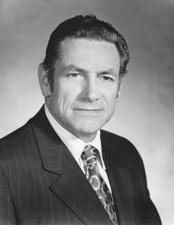
Harold Hughes
Former U.S. Senator from Iowa · 1969–1975 · Democratic · Class 3
Harold Hughes represented Iowa in the United States Senate (1969–1975) for the Democratic party. The page below collects sourced biographical facts, term history, committee roles, and provenance for Hughes.
Bioguide ID: H000922
Key facts
- Full name
- Harold Hughes
- State
- Iowa
- Party
- Democratic
- Senate class
- Class III
- Senate service
- 1969–1975
- First Senate term
- 1969
- Status
- Left office
- Current term ends
- —
- Born
- 1922
- Bioguide ID
- H000922
- Committee assignments
- —
- Dataset version
- 1.20260602
Biographical narrative
987 words · sourced from the Wikipedia REST extract
Harold E. Hughes was an American politician who served as a United States Senator from Iowa. A member of the Democratic Party, Hughes held office from 1969 until the conclusion of his term in 1975. His tenure in the Senate was marked by a commitment to various social issues and a focus on the needs of his constituents in Iowa. Hughes's political career was characterized by his dedication to public service and his engagement in legislative matters that impacted the lives of many Americans.
Early life and career
Harold E. Hughes was born on February 10, 1922. His early life laid the foundation for his future in public service and politics. Growing up in Iowa, Hughes was influenced by the values of his community and the importance of civic engagement. His formative years were marked by the challenges and opportunities that shaped his worldview, particularly during the tumultuous times of the Great Depression and World War II.
Before entering politics, Hughes pursued a career in business and public service. His professional background provided him with insights into the economic and social issues facing his constituents. Hughes's experiences in the private sector, combined with his commitment to community service, prepared him for a career in public office. His understanding of the struggles faced by ordinary citizens informed his political philosophy and legislative priorities.
Hughes's political career began in earnest when he was elected to the Iowa House of Representatives. This initial foray into politics allowed him to gain valuable experience in governance and public policy. His time in the state legislature helped him develop a network of contacts and a deeper understanding of the legislative process. Hughes's work at the state level laid the groundwork for his future ambitions and aspirations for higher office.
In 1968, Hughes successfully ran for the United States Senate, marking a significant milestone in his political career. His election to the Senate was a reflection of his growing popularity and the trust placed in him by the voters of Iowa. Hughes's campaign focused on issues that resonated with the electorate, including social justice, economic opportunity, and civil rights. His ability to connect with voters and articulate their concerns contributed to his successful bid for the Senate.
Senate tenure
Harold E. Hughes officially began his first term as a U.S. Senator in 1969. During his time in the Senate, he served as a member of the Democratic Party, which was experiencing a period of significant change and transformation in American politics. Hughes's tenure coincided with a time of social upheaval, marked by movements advocating for civil rights, environmental protection, and social welfare.
Throughout his Senate career, Hughes was known for his active engagement in legislative matters and his willingness to address pressing issues of the day. His commitment to public service was evident in his participation in various Senate committees and his advocacy for policies that aimed to improve the lives of his constituents. Hughes's approach to governance was characterized by a focus on collaboration and bipartisanship, as he sought to build consensus around important legislative initiatives.
Hughes's Senate term was marked by his involvement in significant national debates and discussions. He worked on a range of issues, including health care, education, and social welfare programs. His efforts to promote policies that supported the needs of vulnerable populations demonstrated his dedication to social justice and equity. Hughes's legislative priorities reflected his belief in the government's role in addressing societal challenges and improving the quality of life for all Americans.
In 1975, Hughes concluded his Senate term, having served as a representative of Iowa for several years. His departure from the Senate marked the end of a significant chapter in his political career. During his time in office, Hughes had established himself as a prominent figure in the Democratic Party and a respected voice on important national issues. His contributions to the Senate and his advocacy for the people of Iowa left a lasting impact on the political landscape of the state.
Legislative focus and committees
During his tenure in the Senate, Harold E. Hughes was involved in various legislative initiatives and served on several important committees. His work on these committees allowed him to influence policy decisions and advocate for issues that were critical to his constituents and the nation as a whole.
Hughes's legislative focus included a strong commitment to social welfare programs, health care reform, and education. He recognized the importance of accessible health care and worked to promote policies that would improve health outcomes for all Americans. Hughes's advocacy for education reflected his belief in the transformative power of learning and the need for equitable access to quality education for all students.
In addition to his work on social issues, Hughes was also engaged in discussions surrounding environmental protection and conservation. He understood the significance of preserving natural resources and addressing environmental challenges. His legislative efforts in this area demonstrated a forward-thinking approach to governance and a recognition of the interconnectedness of social and environmental issues.
Hughes's participation in Senate committees allowed him to play a pivotal role in shaping legislation and influencing policy outcomes. His collaborative approach to committee work fostered an environment of cooperation and dialogue among members of both parties. Hughes's ability to build relationships and work across the aisle contributed to his effectiveness as a legislator and his impact on the Senate.
Throughout his Senate career, Hughes remained committed to representing the interests of his constituents in Iowa. His dedication to public service and his focus on addressing the needs of everyday Americans defined his legislative priorities. Hughes's legacy as a U.S. Senator is characterized by his unwavering commitment to social justice, equity, and the belief in the government's role in improving the lives of its citizens. His contributions to the Senate and his advocacy for important issues continue to resonate in the ongoing discussions about public policy and governance in the United States.
Notable legislation
Sponsored and co-sponsored legislation for Harold Hughes is pending operator curation. The biographical narrative above carries the same provenance trail until per-bill rows are written.
Sources
- [1]https://en.wikipedia.org/wiki/Harold_HughesWikipedia · retrieved 2026-06-02
Notable quotes
Sourced quotes for Harold Hughes are pending operator curation. Narrative-scope provenance remains attached below.
Sources
- [1]https://en.wikipedia.org/wiki/Harold_HughesWikipedia · retrieved 2026-06-02
Key positions
Curated policy positions for Harold Hughes are pending operator review. The biographical narrative above carries the same provenance trail until per-topic positions are written.
Sources
- [1]https://en.wikipedia.org/wiki/Harold_HughesWikipedia · retrieved 2026-06-02
Terms served
- 1969–1975U.S. Senate · Term 1 · Democratic · Class III
Sources & provenance
Every attributable claim above carries a per-section [N] marker that resolves to the corresponding URL below. Each entry records the upstream provider, the canonical URL, and the timestamp at which the source was retrieved by the ingest pipeline.
Key facts
- https://bioguide.congress.gov/search/bio/H000922bioguide · retrieved 2026-06-02
- https://www.govtrack.us/congress/members/405767govtrack · retrieved 2026-06-02
Biographical narrative
- https://en.wikipedia.org/wiki/Harold_Hugheswikipedia · retrieved 2026-06-02
Find your senator
Every U.S. state elects two senators. Browse Iowa’s delegation, the full former-senator roster, or explore the role and term length.
Related on The Candidate
- Preceded by Bourke HickenlooperEarlier holder of the Iowa Class III Senate seat · Republican.Open
- Succeeded by John CulverLater holder of the Iowa Class III Senate seat · Democratic.Open
- Albert CumminsFormer U.S. Senator from Iowa · RepublicanOpen
- Augustus DodgeFormer U.S. Senator from Iowa · DemocraticOpen
- Charles RawsonFormer U.S. Senator from Iowa · RepublicanOpen
- Democratic PartyFederal candidates and office holders on the Democratic line.Open