
Historical · U.S. Senate · Illinois
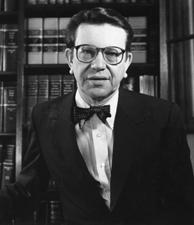
Paul Simon
Former U.S. Senator from Illinois · 1985–1997 · Democratic · Class 2
Paul Simon represented Illinois in the United States Senate (1985–1997) for the Democratic party. The page below collects sourced biographical facts, term history, committee roles, and provenance for Simon.
Bioguide ID: S000423
Key facts
- Full name
- Paul Simon
- State
- Illinois
- Party
- Democratic
- Senate class
- Class II
- Senate service
- 1985–1997
- First Senate term
- 1985
- Status
- Left office
- Current term ends
- —
- Born
- 1928
- Bioguide ID
- S000423
- Committee assignments
- —
- Dataset version
- 1.20260602
Biographical narrative
915 words · sourced from the Wikipedia REST extract
Paul Simon was a prominent American politician who served as a United States Senator from Illinois as a member of the Democratic Party. His tenure in the Senate spanned from 1985 until 1997, during which he was known for his commitment to various social issues and public service. Prior to his time in the Senate, Simon had an extensive career in public office, which included serving in the U.S. House of Representatives and as the Lieutenant Governor of Illinois. His contributions to American politics were marked by a focus on education, healthcare, and civil rights.
Early life and career
Paul Simon was born on November 29, 1928. His early life and formative years played a significant role in shaping his political views and aspirations. Growing up in a modest environment, Simon developed a strong sense of community and a commitment to public service. He pursued higher education at Southern Illinois University, where he began to cultivate his interests in politics and governance.
Before entering the Senate, Simon had a diverse career in public service. He initially served in the U.S. House of Representatives, where he represented Illinois’ 22nd congressional district. His time in the House provided him with valuable legislative experience and insight into the workings of federal government. Following his tenure in the House, Simon was elected as the Lieutenant Governor of Illinois, a role that further solidified his reputation as a dedicated public servant.
Simon’s political career was characterized by his focus on issues that affected everyday Americans. He was known for his advocacy on behalf of education and healthcare, which would later become central themes during his time in the Senate. His commitment to these issues was rooted in his belief that government should play a proactive role in improving the lives of its citizens.
Senate tenure
Paul Simon was elected to the United States Senate in 1984, marking the beginning of his first term in office in 1985. He served as a member of the Democratic Party and became known for his thoughtful and principled approach to legislation. During his time in the Senate, Simon was involved in a range of issues, reflecting his commitment to social justice and public welfare.
Throughout his Senate career, Simon focused on various legislative initiatives aimed at improving education, healthcare, and civil rights. He was particularly vocal about the importance of accessible education and worked on policies that aimed to enhance educational opportunities for all Americans. His advocacy for education reform was driven by his belief in the transformative power of education as a tool for social mobility and equality.
In addition to his focus on education, Simon was also an advocate for healthcare reform. He recognized the challenges faced by many Americans in accessing quality healthcare and sought to address these issues through legislative efforts. His work in the Senate included initiatives aimed at expanding healthcare access and improving the overall quality of care available to citizens.
Simon’s tenure in the Senate was marked by a commitment to bipartisanship and collaboration. He often sought to work across party lines to achieve common goals, emphasizing the importance of dialogue and cooperation in the legislative process. This approach allowed him to build relationships with colleagues from both parties, which facilitated the passage of several key pieces of legislation during his time in office.
Simon served in the Senate until January 3, 1997, when he concluded his final term. His departure from the Senate marked the end of a significant chapter in his political career, but his influence on American politics continued to resonate beyond his time in office.
Legislative focus and committees
During his Senate tenure, Paul Simon was a member of several important committees that shaped his legislative priorities and allowed him to advocate for the issues he cared about most. His committee assignments provided him with a platform to influence policy and engage with a variety of topics relevant to his constituents and the nation as a whole.
One of the key areas of focus for Simon was education. He served on committees that addressed educational policy, where he worked to promote initiatives aimed at improving access to quality education for all students. His efforts in this area were driven by a belief in the fundamental right to education and the need for systemic reforms to ensure that all individuals had the opportunity to succeed academically.
In addition to education, Simon was also involved in committees that dealt with healthcare issues. His work on these committees allowed him to advocate for policies that aimed to expand healthcare access and improve the quality of care available to Americans. He recognized the importance of healthcare as a critical component of overall well-being and sought to address the disparities that existed within the healthcare system.
Simon’s legislative focus extended to civil rights and social justice as well. He was an advocate for policies that aimed to promote equality and protect the rights of marginalized communities. His commitment to civil rights was evident in his support for legislation that sought to eliminate discrimination and promote inclusivity in various aspects of society.
Throughout his Senate career, Simon maintained a consistent focus on issues that affected the lives of everyday Americans. His dedication to public service and his willingness to engage in meaningful dialogue with colleagues across the aisle contributed to his effectiveness as a legislator. Even after leaving the Senate, Simon’s legacy continued to influence discussions around education, healthcare, and civil rights in the United States.
Notable legislation
Sponsored and co-sponsored legislation for Paul Simon is pending operator curation. The biographical narrative above carries the same provenance trail until per-bill rows are written.
Sources
- [1]https://en.wikipedia.org/wiki/Paul_Simon_(politician)Wikipedia · retrieved 2026-06-02
Notable quotes
Sourced quotes for Paul Simon are pending operator curation. Narrative-scope provenance remains attached below.
Sources
- [1]https://en.wikipedia.org/wiki/Paul_Simon_(politician)Wikipedia · retrieved 2026-06-02
Key positions
Curated policy positions for Paul Simon are pending operator review. The biographical narrative above carries the same provenance trail until per-topic positions are written.
Sources
- [1]https://en.wikipedia.org/wiki/Paul_Simon_(politician)Wikipedia · retrieved 2026-06-02
Terms served
- 1975–1977U.S. House · District 24 · Term 1 · Democratic
- 1977–1979U.S. House · District 24 · Term 2 · Democratic
- 1979–1981U.S. House · District 24 · Term 3 · Democratic
- 1981–1983U.S. House · District 24 · Term 4 · Democratic
- 1983–1985U.S. House · District 22 · Term 5 · Democratic
- 1985–1991U.S. Senate · Term 6 · Democratic · Class II
- 1991–1997U.S. Senate · Term 7 · Democratic · Class II
Sources & provenance
Every attributable claim above carries a per-section [N] marker that resolves to the corresponding URL below. Each entry records the upstream provider, the canonical URL, and the timestamp at which the source was retrieved by the ingest pipeline.
Key facts
- https://bioguide.congress.gov/search/bio/S000423bioguide · retrieved 2026-06-02
- https://www.govtrack.us/congress/members/409917govtrack · retrieved 2026-06-02
Biographical narrative
- https://en.wikipedia.org/wiki/Paul_Simon_(politician)wikipedia · retrieved 2026-06-02
Find your senator
Every U.S. state elects two senators. Browse Illinois’s delegation, the full former-senator roster, or explore the role and term length.
Related on The Candidate
- Preceded by Charles PercyEarlier holder of the Illinois Class II Senate seat · Republican.Open
- Adlai Stevenson IIIFormer U.S. Senator from Illinois · DemocraticOpen
- Alan DixonFormer U.S. Senator from Illinois · DemocraticOpen
- Albert HopkinsFormer U.S. Senator from Illinois · RepublicanOpen
- Barack ObamaFormer U.S. Senator from Illinois · DemocraticOpen
- Democratic PartyFederal candidates and office holders on the Democratic line.Open