
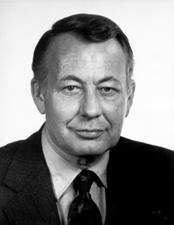
Historical · U.S. Senate · Maine
William Hathaway
Former U.S. Senator from Maine · 1973–1979 · Democratic · Class 2
William Hathaway represented Maine in the United States Senate (1973–1979) for the Democratic party. The page below collects sourced biographical facts, term history, committee roles, and provenance for Hathaway.
Bioguide ID: H000346
Key facts
- Full name
- William Hathaway
- State
- Maine
- Party
- Democratic
- Senate class
- Class II
- Senate service
- 1973–1979
- First Senate term
- 1973
- Status
- Left office
- Current term ends
- —
- Born
- 1924
- Bioguide ID
- H000346
- Committee assignments
- —
- Dataset version
- 1.20260602
Biographical narrative
928 words · sourced from the Wikipedia REST extract
William D. Hathaway was a prominent American politician who served as a United States Senator from Maine. A member of the Democratic Party, Hathaway's political career spanned several decades, culminating in his election to the Senate in 1973. He represented Maine in the Senate until the conclusion of his term in January 1979. Hathaway's tenure was marked by his commitment to various legislative initiatives and his involvement in key committees, reflecting the priorities of his constituents and the broader Democratic agenda during his time in office.
Early life and career
William D. Hathaway was born on February 21, 1924. His early life laid the foundation for his future career in public service. Details about his upbringing, including his education and formative experiences, are essential to understanding his motivations and the values he carried into his political career. While specific information about his early education is not provided, it is common for individuals in public office to have engaged in activities that foster civic responsibility and community involvement from a young age.
Before entering the Senate, Hathaway had a notable career in public service and politics. His journey into the political arena likely began with local engagements, where he would have developed a keen understanding of the issues affecting his community and state. This experience would have been crucial in shaping his approach to governance and his legislative priorities once he assumed office in the Senate.
Hathaway's political career included a total of five congressional terms, with one term in the Senate. This indicates a sustained commitment to public service, as he navigated the complexities of political life over several years. His election to the Senate in 1973 marked a significant milestone in his career, representing a transition from other political roles to a position of greater national influence. The Senate, as a body, plays a critical role in shaping federal legislation, and Hathaway's election signified his ability to connect with voters and gain their trust.
Senate tenure
William D. Hathaway's Senate tenure began in 1973 and lasted until January 3, 1979. During this period, he was a member of the Senate Class 2, which is one of the three classes of senators that are staggered for elections. His time in the Senate coincided with a transformative era in American politics, characterized by significant social change and legislative activity. Hathaway's role as a senator placed him at the forefront of these developments, allowing him to contribute to discussions and decisions that would impact the nation.
Throughout his time in the Senate, Hathaway was involved in various legislative efforts that addressed pressing issues of the day. His work likely included collaboration with colleagues across party lines, as well as engagement with constituents to understand their needs and concerns. The political landscape of the 1970s was marked by challenges such as economic instability, civil rights movements, and environmental concerns, all of which would have influenced Hathaway's legislative agenda.
Hathaway's departure from the Senate in January 1979 marked the end of his formal legislative career at the federal level. The reasons for his departure, whether related to electoral outcomes or personal decisions, are not detailed in the available information. However, the conclusion of his Senate term does not diminish the impact of his contributions during his time in office.
Legislative focus and committees
During his tenure in the Senate, William D. Hathaway focused on a range of legislative issues that were pertinent to his constituents in Maine and reflective of the Democratic Party's broader objectives. While specific legislative initiatives and bills are not detailed, senators typically prioritize issues such as healthcare, education, labor rights, and environmental protection, among others. Hathaway's alignment with the Democratic Party suggests that he likely championed policies aimed at promoting social welfare and economic equity.
In addition to his legislative priorities, Hathaway's involvement in Senate committees would have played a crucial role in shaping his contributions to federal policy. Committees are essential for reviewing legislation, conducting hearings, and overseeing government functions. Senators often serve on multiple committees, allowing them to influence a wide array of issues. Hathaway's committee assignments would have provided him with opportunities to advocate for Maine's interests while also engaging in national discussions on key topics.
The collaborative nature of committee work often fosters relationships among senators, enabling them to build coalitions and advance legislative goals. Hathaway's ability to work with colleagues from both parties would have been vital in navigating the complexities of the legislative process. His participation in committee activities would have also allowed him to gather insights from experts and constituents, further informing his decision-making.
Overall, William D. Hathaway's Senate tenure was characterized by a commitment to public service and a focus on issues that resonated with the people of Maine. His legislative efforts and committee work reflect the responsibilities of a senator in addressing the needs of their state while contributing to the national dialogue on important matters. Although Hathaway's time in the Senate concluded in 1979, his legacy as a public servant remains a part of Maine's political history.
In summary, William D. Hathaway's career as a U.S. Senator from Maine was marked by a dedication to his constituents and a focus on legislative initiatives that aligned with the values of the Democratic Party. His early life and career laid the groundwork for his political journey, while his tenure in the Senate allowed him to engage with critical issues of the time. Through his work on various committees and his legislative focus, Hathaway contributed to the shaping of policies that would impact both Maine and the nation.
Notable legislation
Sponsored and co-sponsored legislation for William Hathaway is pending operator curation. The biographical narrative above carries the same provenance trail until per-bill rows are written.
Sources
- [1]https://en.wikipedia.org/wiki/William_HathawayWikipedia · retrieved 2026-06-02
Notable quotes
Sourced quotes for William Hathaway are pending operator curation. Narrative-scope provenance remains attached below.
Sources
- [1]https://en.wikipedia.org/wiki/William_HathawayWikipedia · retrieved 2026-06-02
Key positions
Curated policy positions for William Hathaway are pending operator review. The biographical narrative above carries the same provenance trail until per-topic positions are written.
Sources
- [1]https://en.wikipedia.org/wiki/William_HathawayWikipedia · retrieved 2026-06-02
Terms served
- 1965–1967U.S. House · District 2 · Term 1 · Democratic
- 1967–1969U.S. House · District 2 · Term 2 · Democratic
- 1969–1971U.S. House · District 2 · Term 3 · Democratic
- 1971–1973U.S. House · District 2 · Term 4 · Democratic
- 1973–1979U.S. Senate · Term 5 · Democratic · Class II
Sources & provenance
Every attributable claim above carries a per-section [N] marker that resolves to the corresponding URL below. Each entry records the upstream provider, the canonical URL, and the timestamp at which the source was retrieved by the ingest pipeline.
Key facts
- https://bioguide.congress.gov/search/bio/H000346bioguide · retrieved 2026-06-02
- https://www.govtrack.us/congress/members/405215govtrack · retrieved 2026-06-02
Biographical narrative
- https://en.wikipedia.org/wiki/William_Hathawaywikipedia · retrieved 2026-06-02
Find your senator
Every U.S. state elects two senators. Browse Maine’s delegation, the full former-senator roster, or explore the role and term length.
Related on The Candidate
- Preceded by Margaret SmithEarlier holder of the Maine Class II Senate seat · Republican.Open
- Succeeded by William CohenLater holder of the Maine Class II Senate seat · Republican.Open
- Albion ParrisFormer U.S. Senator from Maine · JacksonOpen
- Amos NourseFormer U.S. Senator from Maine · RepublicanOpen
- Arthur GouldFormer U.S. Senator from Maine · RepublicanOpen
- Bert FernaldFormer U.S. Senator from Maine · RepublicanOpen