
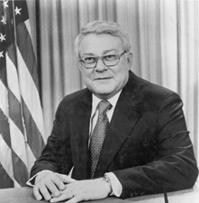
Historical · U.S. Senate · Montana
Paul Hatfield
Former U.S. Senator from Montana · 1978–1978 · Democratic · Class 2
Paul Hatfield represented Montana in the United States Senate (1978–1978) for the Democratic party. The page below collects sourced biographical facts, term history, committee roles, and provenance for Hatfield.
Bioguide ID: H000344
Key facts
- Full name
- Paul Hatfield
- State
- Montana
- Party
- Democratic
- Senate class
- Class II
- Senate service
- 1978–1978
- First Senate term
- 1978
- Status
- Left office
- Current term ends
- —
- Born
- 1928
- Bioguide ID
- H000344
- Committee assignments
- —
- Dataset version
- 1.20260602
Biographical narrative
864 words · sourced from the Wikipedia REST extract
Paul Hatfield was a prominent figure in American politics, serving as a U.S. Senator from Montana. A member of the Democratic Party, he held office during a significant period in the late 20th century. His tenure in the Senate began in 1978 and concluded in December 1978, marking a brief but impactful chapter in his political career. Born in 1928, Hatfield's life and work reflected the evolving political landscape of the United States, particularly in the context of Montana's unique challenges and opportunities.
Early life and career
Paul Hatfield was born on April 29, 1928. His early life and formative years laid the groundwork for his future in public service and politics. While specific details about his childhood and education are not provided, it is common for individuals who later engage in political careers to have experiences that shape their understanding of community needs and governance.
Before entering the Senate, Hatfield likely engaged in various professional and civic activities that contributed to his political acumen. Many politicians begin their careers in local government or community organizations, which serve as platforms for understanding the intricacies of public service. It is reasonable to assume that Hatfield's early experiences provided him with insights into the concerns of his constituents and the workings of government.
His political career culminated in his election to the U.S. Senate, where he represented Montana. The state, known for its vast landscapes and diverse population, often faces unique challenges, including economic development, environmental conservation, and the needs of rural communities. Hatfield's background and experiences would have informed his approach to these issues during his time in office.
Senate tenure
Paul Hatfield's Senate career began in 1978, a time marked by significant political and social changes in the United States. The late 1970s were characterized by a range of issues, including economic challenges, energy crises, and shifts in public policy. Hatfield's election to the Senate came during a period when the Democratic Party was working to address these pressing concerns, and he became part of the larger narrative of American governance during this transformative era.
Although Hatfield's Senate term was relatively short, concluding in December 1978, it was a period in which he would have engaged with numerous legislative initiatives and debates. Senators often play critical roles in shaping policy, advocating for their states' interests, and contributing to national discussions on key issues. Hatfield's participation in the Senate would have involved collaboration with colleagues, committee work, and engagement with constituents back in Montana.
The dynamics of the Senate during Hatfield's time were influenced by various factors, including party leadership, public sentiment, and the political climate. As a member of the Democratic Party, Hatfield would have aligned with the party's priorities, which included addressing social issues, promoting economic growth, and advocating for civil rights. His tenure in the Senate, while brief, was part of a larger effort by Democrats to respond to the needs of the American public during a time of change.
Legislative focus and committees
During his time in the Senate, Paul Hatfield was involved in a range of legislative activities that reflected the priorities of his party and the needs of his constituents. While specific details regarding the bills he sponsored or supported are not provided, it is common for senators to focus on issues that resonate with their state's demographics and economic conditions. Montana, with its rich natural resources and rural communities, often requires attention to agricultural policies, land management, and environmental protections.
Senators typically serve on various committees that align with their interests and expertise. While the specific committees Hatfield served on during his Senate tenure are not detailed, committee assignments are crucial for shaping legislation and influencing policy outcomes. Committees allow senators to delve deeper into specific issues, conduct hearings, and collaborate with other lawmakers to draft and refine legislation.
In addition to committee work, senators often engage with their constituents through town hall meetings, correspondence, and outreach efforts. This engagement is essential for understanding the concerns of the people they represent and for ensuring that their legislative efforts align with the needs of the community. Hatfield's interactions with Montanans would have informed his perspective on various issues, from economic development to healthcare and education.
Overall, Paul Hatfield's legislative focus would have been shaped by the unique challenges facing Montana during the late 1970s. His work in the Senate contributed to the broader dialogue on national issues while also addressing the specific needs of his state. Although his time in office was limited, the impact of his efforts would have resonated with constituents and contributed to the ongoing evolution of policy in Montana and beyond.
In summary, Paul Hatfield's career as a U.S. Senator from Montana was marked by a commitment to public service and an engagement with the pressing issues of his time. His early life and career set the stage for his political involvement, and his tenure in the Senate, while brief, was part of a larger narrative of American governance during a period of significant change. Through his legislative focus and committee work, Hatfield contributed to the ongoing efforts to address the needs of his constituents and the broader challenges facing the nation.
Notable legislation
Sponsored and co-sponsored legislation for Paul Hatfield is pending operator curation. The biographical narrative above carries the same provenance trail until per-bill rows are written.
Sources
- [1]https://en.wikipedia.org/wiki/Paul_G._HatfieldWikipedia · retrieved 2026-06-02
Notable quotes
Sourced quotes for Paul Hatfield are pending operator curation. Narrative-scope provenance remains attached below.
Sources
- [1]https://en.wikipedia.org/wiki/Paul_G._HatfieldWikipedia · retrieved 2026-06-02
Key positions
Curated policy positions for Paul Hatfield are pending operator review. The biographical narrative above carries the same provenance trail until per-topic positions are written.
Sources
- [1]https://en.wikipedia.org/wiki/Paul_G._HatfieldWikipedia · retrieved 2026-06-02
Terms served
- 1978–1978U.S. Senate · Term 1 · Democratic · Class II
Sources & provenance
Every attributable claim above carries a per-section [N] marker that resolves to the corresponding URL below. Each entry records the upstream provider, the canonical URL, and the timestamp at which the source was retrieved by the ingest pipeline.
Key facts
- https://bioguide.congress.gov/search/bio/H000344bioguide · retrieved 2026-06-02
- https://www.govtrack.us/congress/members/405213govtrack · retrieved 2026-06-02
Biographical narrative
- https://en.wikipedia.org/wiki/Paul_G._Hatfieldwikipedia · retrieved 2026-06-02
Find your senator
Every U.S. state elects two senators. Browse Montana’s delegation, the full former-senator roster, or explore the role and term length.
Related on The Candidate
- Preceded by Lee MetcalfEarlier holder of the Montana Class II Senate seat · Democratic.Open
- Succeeded by Max BaucusLater holder of the Montana Class II Senate seat · Democratic.Open
- Burton WheelerFormer U.S. Senator from Montana · DemocraticOpen
- Conrad BurnsFormer U.S. Senator from Montana · RepublicanOpen
- Henry MyersFormer U.S. Senator from Montana · DemocraticOpen
- James MurrayFormer U.S. Senator from Montana · DemocraticOpen