
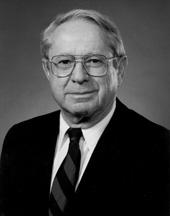
Historical · U.S. Senate · North Carolina
Lauch Faircloth
Former U.S. Senator from North Carolina · 1993–1999 · Republican · Class 3
Lauch Faircloth represented North Carolina in the United States Senate (1993–1999) for the Republican party. The page below collects sourced biographical facts, term history, committee roles, and provenance for Faircloth.
Bioguide ID: F000437
Key facts
- Full name
- Lauch Faircloth
- State
- North Carolina
- Party
- Republican
- Senate class
- Class III
- Senate service
- 1993–1999
- First Senate term
- 1993
- Status
- Left office
- Current term ends
- —
- Born
- 1928
- Bioguide ID
- F000437
- Committee assignments
- —
- Dataset version
- 1.20260602
Biographical narrative
914 words · sourced from the Wikipedia REST extract
Lauch Faircloth is a former United States Senator from North Carolina, representing the Republican Party. He served in the Senate from 1993 until the conclusion of his term in January 1999. Faircloth's political career is marked by his involvement in various legislative initiatives and his role in the broader political landscape of North Carolina during the 1990s.
Early life and career
Lauch Faircloth was born on January 14, 1928. His early life and formative years were spent in North Carolina, where he developed a connection to the state that would later influence his political career. Before entering the political arena, Faircloth had a diverse professional background. He was engaged in business, which provided him with insights into the economic challenges and opportunities facing North Carolina. This experience likely shaped his perspectives on fiscal policy and economic development as he transitioned into politics.
Faircloth's entry into public service began with his election to the North Carolina State Senate, where he served from 1985 to 1991. During his time in the state legislature, he was involved in various initiatives that addressed local issues and contributed to the governance of North Carolina. His experience at the state level prepared him for the national stage, where he would later advocate for the interests of his constituents in the U.S. Senate.
In 1992, Faircloth successfully ran for the U.S. Senate, marking a significant milestone in his political career. His campaign was characterized by a focus on key issues that resonated with voters in North Carolina, including economic growth, job creation, and fiscal responsibility. Faircloth's ability to connect with the electorate and articulate his vision for the state contributed to his electoral success.
Senate tenure
Lauch Faircloth's tenure in the U.S. Senate began in 1993, following his election in the previous year. He represented North Carolina as a member of the Republican Party during a period of significant political change in the United States. His time in the Senate coincided with the Republican Revolution of the 1990s, a movement that sought to reshape the political landscape by emphasizing conservative principles and limited government.
Throughout his Senate career, Faircloth was involved in various legislative efforts that reflected the priorities of his party and constituents. He served on several committees, which allowed him to influence a range of issues, from economic policy to national security. His participation in these committees provided him with opportunities to advocate for legislation that aligned with his views and the interests of North Carolinians.
Faircloth's first term in the Senate lasted until 1999, during which he faced various challenges and opportunities typical of a senator's career. He navigated the complexities of national politics while striving to address the concerns of his constituents back home. His legislative efforts were often guided by a commitment to conservative values, which resonated with many voters in North Carolina.
As a senator, Faircloth was known for his engagement in debates and discussions on key issues of the day. He worked to build coalitions with fellow senators to advance his legislative agenda, reflecting the collaborative nature of the Senate. His ability to communicate effectively and advocate for his positions contributed to his visibility as a member of the Senate.
Despite his efforts and contributions, Faircloth's tenure in the Senate came to an end in January 1999. He faced challenges in securing re-election, which is a common occurrence for many incumbents. The political landscape had shifted, and Faircloth's departure marked the conclusion of his time in federal office.
Legislative focus and committees
During his time in the Senate, Lauch Faircloth's legislative focus encompassed a variety of issues that were significant to his constituents and aligned with the Republican Party's platform. His work in the Senate was characterized by a commitment to economic issues, including job creation, fiscal responsibility, and support for business initiatives. Faircloth's background in business likely informed his approach to these topics, as he sought to promote policies that would foster economic growth in North Carolina.
Faircloth served on several Senate committees, which played a crucial role in shaping his legislative priorities. These committees provided him with a platform to address a range of issues, including finance, commerce, and national security. His involvement in these committees allowed him to engage with fellow senators and stakeholders, facilitating discussions that aimed to produce effective legislation.
In addition to economic issues, Faircloth was also involved in discussions related to education, healthcare, and infrastructure. He recognized the importance of these areas in the lives of North Carolinians and sought to advocate for policies that would improve the quality of life for his constituents. His legislative efforts reflected a broader commitment to addressing the needs and concerns of the people he represented.
Throughout his Senate career, Faircloth's focus on conservative principles was evident in his legislative proposals and voting record. He aligned himself with the Republican Party's priorities, advocating for limited government intervention and promoting free-market solutions to economic challenges. This alignment with party values was a significant aspect of his political identity during his time in office.
In summary, Lauch Faircloth's career as a U.S. Senator from North Carolina was marked by his commitment to conservative principles and his focus on economic issues. His tenure in the Senate allowed him to engage in the legislative process and advocate for the interests of his constituents. Although his time in office concluded in 1999, Faircloth's contributions to the political landscape of North Carolina and his involvement in national issues remain a part of his legacy.
Notable legislation
Sponsored and co-sponsored legislation for Lauch Faircloth is pending operator curation. The biographical narrative above carries the same provenance trail until per-bill rows are written.
Sources
- [1]https://en.wikipedia.org/wiki/Lauch_FairclothWikipedia · retrieved 2026-06-02
Notable quotes
Sourced quotes for Lauch Faircloth are pending operator curation. Narrative-scope provenance remains attached below.
Sources
- [1]https://en.wikipedia.org/wiki/Lauch_FairclothWikipedia · retrieved 2026-06-02
Key positions
Curated policy positions for Lauch Faircloth are pending operator review. The biographical narrative above carries the same provenance trail until per-topic positions are written.
Sources
- [1]https://en.wikipedia.org/wiki/Lauch_FairclothWikipedia · retrieved 2026-06-02
Terms served
- 1993–1999U.S. Senate · Term 1 · Republican · Class III
Sources & provenance
Every attributable claim above carries a per-section [N] marker that resolves to the corresponding URL below. Each entry records the upstream provider, the canonical URL, and the timestamp at which the source was retrieved by the ingest pipeline.
Key facts
- https://bioguide.congress.gov/search/bio/F000437bioguide · retrieved 2026-06-02
- https://www.govtrack.us/congress/members/403968govtrack · retrieved 2026-06-02
Biographical narrative
- https://en.wikipedia.org/wiki/Lauch_Fairclothwikipedia · retrieved 2026-06-02
Find your senator
Every U.S. state elects two senators. Browse North Carolina’s delegation, the full former-senator roster, or explore the role and term length.
Related on The Candidate
- Preceded by James SanfordEarlier holder of the North Carolina Class III Senate seat · Democratic.Open
- Succeeded by John EdwardsLater holder of the North Carolina Class III Senate seat · Democratic.Open
- Alexander MartinFormer U.S. Senator from North Carolina · RepublicanOpen
- Alton LennonFormer U.S. Senator from North Carolina · DemocraticOpen
- Asa BiggsFormer U.S. Senator from North Carolina · DemocraticOpen
- Augustus MerrimonFormer U.S. Senator from North Carolina · DemocraticOpen