
Historical · U.S. Senate · North Dakota
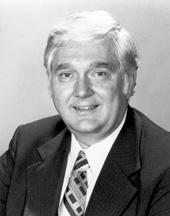
Mark Andrews
Former U.S. Senator from North Dakota · 1981–1987 · Republican · Class 3
Mark Andrews represented North Dakota in the United States Senate (1981–1987) for the Republican party. The page below collects sourced biographical facts, term history, committee roles, and provenance for Andrews.
Bioguide ID: A000208
Key facts
- Full name
- Mark Andrews
- State
- North Dakota
- Party
- Republican
- Senate class
- Class III
- Senate service
- 1981–1987
- First Senate term
- 1981
- Status
- Left office
- Current term ends
- —
- Born
- 1926
- Bioguide ID
- A000208
- Committee assignments
- —
- Dataset version
- 1.20260602
Biographical narrative
1,018 words · sourced from the Wikipedia REST extract
Mark Andrews was a prominent figure in North Dakota politics, serving as a U.S. Senator from 1981 until 1987. A member of the Republican Party, Andrews's political career was marked by his commitment to conservative values and his representation of North Dakota's interests at the national level. His tenure in the Senate was characterized by a focus on various legislative issues that resonated with his constituents, and he played a role in shaping policies during a pivotal time in American history.
Early life and career
Mark Andrews was born on May 19, 1926. His early life and formative years laid the groundwork for his future in public service and politics. Growing up in North Dakota, Andrews developed a deep understanding of the challenges and opportunities facing the state and its residents. This connection to his home state would later inform his political decisions and priorities.
Before entering the political arena, Andrews pursued an education that would equip him with the skills necessary for a career in public service. He engaged in various professional endeavors that contributed to his understanding of the political landscape. His experiences in the business sector and local governance provided him with insights into the economic and social issues affecting North Dakota, which he would later address as a legislator.
Andrews's political career began in earnest when he was elected to the U.S. Senate. His election marked a significant milestone, as he became a representative for North Dakota at the federal level. His ascent to the Senate was indicative of his growing influence within the Republican Party and his ability to connect with voters on key issues. Throughout his early career, he demonstrated a commitment to the principles of the Republican Party, which emphasized limited government, fiscal responsibility, and individual liberties.
Senate tenure
Mark Andrews's tenure in the U.S. Senate began in 1981, when he took office as a member of the 97th Congress. His election to the Senate was a culmination of his political efforts and reflected the support he garnered from constituents who valued his approach to governance. During his time in the Senate, Andrews served as a representative of North Dakota's interests, advocating for policies that would benefit the state and its residents.
Throughout his six years in the Senate, Andrews participated in various legislative initiatives and debates that shaped national policy. His role as a senator placed him at the center of critical discussions on issues ranging from agriculture to energy policy, which were particularly relevant to North Dakota's economy. As a representative of a primarily rural state, Andrews was keenly aware of the agricultural challenges faced by his constituents and sought to address these concerns through legislative action.
Andrews's Senate career was marked by his involvement in several key committees, where he worked alongside other lawmakers to develop and refine legislation. His participation in these committees allowed him to influence the direction of important policies and advocate for the needs of North Dakota. He navigated the complexities of federal legislation while maintaining a focus on the interests of his home state.
Despite the challenges that come with serving in the Senate, Andrews was able to establish himself as a prominent voice within the Republican Party. His ability to build coalitions and work across party lines contributed to his effectiveness as a legislator. However, his tenure also coincided with a time of significant political change in the United States, as the nation grappled with various social and economic issues. This context shaped the priorities and strategies that Andrews employed during his time in office.
Andrews's Senate term came to an end on January 3, 1987, concluding a significant chapter in his political career. His departure from the Senate marked the end of a period of active engagement in national politics, but his influence and contributions to North Dakota's representation in Congress remained a part of the state's political history.
Legislative focus and committees
During his time in the Senate, Mark Andrews focused on a range of legislative issues that were critical to his constituents and aligned with the broader goals of the Republican Party. His legislative priorities included agriculture, energy, and economic development, reflecting the key sectors that defined North Dakota's economy. Andrews recognized the importance of these industries to the livelihoods of North Dakotans and sought to promote policies that would support their growth and sustainability.
As a member of various Senate committees, Andrews played a crucial role in shaping legislation that impacted not only North Dakota but also the nation as a whole. His work on these committees allowed him to engage with experts and stakeholders, ensuring that the voices of his constituents were heard in the legislative process. Through his committee assignments, he was able to advocate for policies that addressed the unique challenges faced by rural communities and promote initiatives that would foster economic growth.
In addition to his focus on agriculture and energy, Andrews was also involved in discussions surrounding fiscal responsibility and government spending. He championed conservative principles that emphasized the need for a balanced budget and prudent financial management. His commitment to these principles resonated with many voters in North Dakota, who valued fiscal conservatism as a cornerstone of effective governance.
Andrews's legislative efforts were characterized by a pragmatic approach to problem-solving. He understood the importance of collaboration and sought to build consensus among his colleagues to advance legislation that would benefit his constituents. This willingness to work with others, even across party lines, contributed to his effectiveness as a senator and allowed him to navigate the complexities of the legislative process.
In summary, Mark Andrews's time in the U.S. Senate was marked by a dedication to representing the interests of North Dakota and advocating for policies that aligned with the values of the Republican Party. His focus on agriculture, energy, and fiscal responsibility underscored his commitment to addressing the needs of his constituents and contributing to the broader national dialogue on key issues. Although his Senate career concluded in 1987, his legacy as a public servant and advocate for North Dakota remains a significant part of the state's political history.
Notable legislation
Sponsored and co-sponsored legislation for Mark Andrews is pending operator curation. The biographical narrative above carries the same provenance trail until per-bill rows are written.
Sources
- [1]https://en.wikipedia.org/wiki/Mark_Andrews_(politician)Wikipedia · retrieved 2026-06-02
Notable quotes
Sourced quotes for Mark Andrews are pending operator curation. Narrative-scope provenance remains attached below.
Sources
- [1]https://en.wikipedia.org/wiki/Mark_Andrews_(politician)Wikipedia · retrieved 2026-06-02
Key positions
Curated policy positions for Mark Andrews are pending operator review. The biographical narrative above carries the same provenance trail until per-topic positions are written.
Sources
- [1]https://en.wikipedia.org/wiki/Mark_Andrews_(politician)Wikipedia · retrieved 2026-06-02
Terms served
- 1963–1965U.S. House · District 1 · Term 1 · Republican
- 1965–1967U.S. House · District 1 · Term 2 · Republican
- 1967–1969U.S. House · District 1 · Term 3 · Republican
- 1969–1971U.S. House · District 1 · Term 4 · Republican
- 1971–1973U.S. House · District 1 · Term 5 · Republican
- 1973–1975U.S. House · District 0 · Term 6 · Republican
- 1975–1977U.S. House · District 0 · Term 7 · Republican
- 1977–1979U.S. House · District 0 · Term 8 · Republican
- 1979–1981U.S. House · District 0 · Term 9 · Republican
- 1981–1987U.S. Senate · Term 10 · Republican · Class III
Sources & provenance
Every attributable claim above carries a per-section [N] marker that resolves to the corresponding URL below. Each entry records the upstream provider, the canonical URL, and the timestamp at which the source was retrieved by the ingest pipeline.
Key facts
- https://bioguide.congress.gov/search/bio/A000208bioguide · retrieved 2026-06-02
- https://www.govtrack.us/congress/members/400881govtrack · retrieved 2026-06-02
Biographical narrative
- https://en.wikipedia.org/wiki/Mark_Andrews_(politician)wikipedia · retrieved 2026-06-02
Find your senator
Every U.S. state elects two senators. Browse North Dakota’s delegation, the full former-senator roster, or explore the role and term length.
Related on The Candidate
- Preceded by Milton YoungEarlier holder of the North Dakota Class III Senate seat · Republican.Open
- Succeeded by Byron DorganLater holder of the North Dakota Class III Senate seat · Democratic.Open
- Asle GronnaFormer U.S. Senator from North Dakota · RepublicanOpen
- Clarence BrunsdaleFormer U.S. Senator from North Dakota · RepublicanOpen
- Edwin LaddFormer U.S. Senator from North Dakota · RepublicanOpen
- Republican PartyFederal candidates and office holders on the Republican line.Open