
Historical · U.S. Senate · Pennsylvania
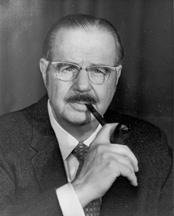
Hugh Scott Jr.
Former U.S. Senator from Pennsylvania · 1959–1977 · Republican · Class 1
Hugh Scott Jr. represented Pennsylvania in the United States Senate (1959–1977) for the Republican party. The page below collects sourced biographical facts, term history, committee roles, and provenance for Jr..
Bioguide ID: S000174
Key facts
- Full name
- Hugh Scott Jr.
- State
- Pennsylvania
- Party
- Republican
- Senate class
- Class I
- Senate service
- 1959–1977
- First Senate term
- 1959
- Status
- Left office
- Current term ends
- —
- Born
- 1900
- Bioguide ID
- S000174
- Committee assignments
- —
- Dataset version
- 1.20260602
Biographical narrative
970 words · sourced from the Wikipedia REST extract
Hugh Scott was a prominent American politician who served as a United States Senator from Pennsylvania. A member of the Republican Party, Scott's political career spanned several decades, during which he held various positions in government. He was known for his service in the Senate, where he contributed to numerous legislative efforts and represented the interests of his constituents until the end of his last term in January 1977. His tenure in the Senate was marked by a commitment to public service and engagement in key issues of his time.
Early life and career
Hugh Scott was born on November 11, 1900. His early life laid the foundation for his future career in politics. Details about his formative years, including his education and early influences, are not extensively documented, but it is evident that he developed a strong interest in public affairs from a young age. Scott's political journey began in the mid-20th century, a period marked by significant social and political change in the United States.
Before entering the Senate, Scott had a long and varied career in public service. He served in the U.S. Army during World War I, an experience that likely shaped his views on governance and civic duty. Following his military service, he pursued a career in law and politics, which provided him with the skills and knowledge necessary to navigate the complexities of government. His legal background would later inform his legislative work in the Senate.
Scott's political career began in earnest when he was elected to the U.S. House of Representatives, where he served multiple terms. His time in the House allowed him to build a network of relationships and gain experience in federal legislation. This experience proved invaluable when he transitioned to the Senate, where he would serve for three terms. His election to the Senate marked a significant milestone in his career, as he took on a larger role in shaping national policy and representing the interests of Pennsylvania on a broader stage.
Senate tenure
Hugh Scott's Senate career began in 1959, when he was elected to represent Pennsylvania. He was a member of the Senate Class 1, a designation that indicates the timing of his election relative to other senators. During his time in the Senate, Scott was involved in a wide range of legislative activities and issues that were pertinent to both his state and the nation as a whole.
Throughout his tenure, Scott was known for his ability to work across party lines. This bipartisan approach was particularly important during a time when the political landscape was often polarized. His willingness to engage with colleagues from both parties allowed him to build coalitions and advance legislation that benefited his constituents and the country. Scott's legislative work encompassed various areas, including economic development, infrastructure, and social issues, reflecting the diverse needs of the people he represented.
Scott's time in the Senate coincided with significant historical events, including the Civil Rights Movement and the Vietnam War. These events shaped the national discourse and influenced the priorities of lawmakers. As a senator, Scott navigated these complex issues, contributing to debates and discussions that would have lasting impacts on American society. His ability to address contentious topics while maintaining a focus on constructive dialogue was a hallmark of his political style.
Scott served in the Senate until January 3, 1977, when his final term concluded. By the end of his tenure, he had established himself as a respected figure in the Senate, known for his dedication to public service and his commitment to the principles of the Republican Party. His departure from the Senate marked the end of an era for Pennsylvania politics, as he had played a significant role in shaping the state's representation at the federal level.
Legislative focus and committees
During his time in the Senate, Hugh Scott was involved in various legislative initiatives and served on several important committees. His committee assignments allowed him to influence key areas of policy and contribute to the development of legislation that addressed pressing national issues. While specific details about the committees he served on are not provided, it is common for senators to be assigned to committees that align with their interests and the needs of their constituents.
Scott's legislative focus included economic issues, infrastructure development, and social policy. He recognized the importance of fostering economic growth and job creation, particularly in Pennsylvania, which had a diverse economy that included manufacturing, agriculture, and services. His efforts in promoting economic development were aimed at ensuring that Pennsylvania remained competitive and that its residents had access to opportunities for prosperity.
In addition to economic matters, Scott was also engaged in discussions surrounding social issues. The 1960s and 1970s were periods of significant social change in the United States, and Scott's participation in legislative debates reflected his awareness of the evolving needs of society. He sought to address issues related to civil rights, education, and healthcare, recognizing that these areas were critical to the well-being of his constituents.
Scott's approach to legislation was characterized by a commitment to finding common ground and working collaboratively with his colleagues. This bipartisan spirit was essential in navigating the complexities of the legislative process, especially during a time of significant political division. His ability to engage in constructive dialogue and build consensus contributed to his effectiveness as a senator.
In summary, Hugh Scott's career as a U.S. Senator from Pennsylvania was marked by a dedication to public service, a commitment to bipartisan cooperation, and a focus on addressing the needs of his constituents. His legislative efforts spanned a range of important issues, reflecting the challenges and opportunities of his time. As a former senator, Scott left a legacy of engagement and leadership that continued to influence Pennsylvania politics long after his departure from the Senate.
Notable legislation
Sponsored and co-sponsored legislation for Hugh Scott Jr. is pending operator curation. The biographical narrative above carries the same provenance trail until per-bill rows are written.
Sources
- [1]https://en.wikipedia.org/wiki/Hugh_ScottWikipedia · retrieved 2026-06-02
Notable quotes
Sourced quotes for Hugh Scott Jr. are pending operator curation. Narrative-scope provenance remains attached below.
Sources
- [1]https://en.wikipedia.org/wiki/Hugh_ScottWikipedia · retrieved 2026-06-02
Key positions
Curated policy positions for Hugh Scott Jr. are pending operator review. The biographical narrative above carries the same provenance trail until per-topic positions are written.
Sources
- [1]https://en.wikipedia.org/wiki/Hugh_ScottWikipedia · retrieved 2026-06-02
Terms served
- 1941–1943U.S. House · District 7 · Term 1 · Republican
- 1943–1945U.S. House · District 7 · Term 2 · Republican
- 1947–1949U.S. House · District 6 · Term 3 · Republican
- 1949–1951U.S. House · District 6 · Term 4 · Republican
- 1951–1953U.S. House · District 6 · Term 5 · Republican
- 1953–1955U.S. House · District 6 · Term 6 · Republican
- 1955–1957U.S. House · District 6 · Term 7 · Republican
- 1957–1959U.S. House · District 6 · Term 8 · Republican
- 1959–1965U.S. Senate · Term 9 · Republican · Class I
- 1965–1971U.S. Senate · Term 10 · Republican · Class I
- 1971–1977U.S. Senate · Term 11 · Republican · Class I
Sources & provenance
Every attributable claim above carries a per-section [N] marker that resolves to the corresponding URL below. Each entry records the upstream provider, the canonical URL, and the timestamp at which the source was retrieved by the ingest pipeline.
Key facts
- https://bioguide.congress.gov/search/bio/S000174bioguide · retrieved 2026-06-02
- https://www.govtrack.us/congress/members/409680govtrack · retrieved 2026-06-02
Biographical narrative
- https://en.wikipedia.org/wiki/Hugh_Scottwikipedia · retrieved 2026-06-02
Find your senator
Every U.S. state elects two senators. Browse Pennsylvania’s delegation, the full former-senator roster, or explore the role and term length.
Related on The Candidate
- Preceded by Edward MartinEarlier holder of the Pennsylvania Class I Senate seat · Republican.Open
- Succeeded by Henry Heinz IIILater holder of the Pennsylvania Class I Senate seat · Republican.Open
- Abner LacockFormer U.S. Senator from Pennsylvania · RepublicanOpen
- Andrew GreggFormer U.S. Senator from Pennsylvania · RepublicanOpen
- Arlen SpecterFormer U.S. Senator from Pennsylvania · DemocraticOpen
- Bob Casey Jr.Former U.S. Senator from Pennsylvania · DemocraticOpen