
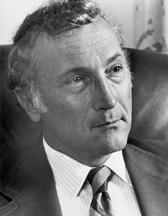
Historical · U.S. Senate · Pennsylvania
Richard Schweiker
Former U.S. Senator from Pennsylvania · 1969–1981 · Republican · Class 3
Richard Schweiker represented Pennsylvania in the United States Senate (1969–1981) for the Republican party. The page below collects sourced biographical facts, term history, committee roles, and provenance for Schweiker.
Bioguide ID: S000159
Key facts
- Full name
- Richard Schweiker
- State
- Pennsylvania
- Party
- Republican
- Senate class
- Class III
- Senate service
- 1969–1981
- First Senate term
- 1969
- Status
- Left office
- Current term ends
- —
- Born
- 1926
- Bioguide ID
- S000159
- Committee assignments
- —
- Dataset version
- 1.20260602
Biographical narrative
1,022 words · sourced from the Wikipedia REST extract
Richard S. Schweiker was a prominent American politician who served as a United States Senator from Pennsylvania. A member of the Republican Party, he held office from 1969 until 1981, representing Pennsylvania in the Senate during a period marked by significant political and social change in the United States. Before his tenure in the Senate, Schweiker had a background in public service that laid the foundation for his later political career. His legislative contributions and committee assignments reflect his interests and priorities during his time in office.
Early life and career
Richard S. Schweiker was born on June 1, 1926. His early life and formative years were characterized by a commitment to public service and community involvement. Details about his upbringing and education are not extensively documented, but it is known that he developed an interest in politics and governance at an early age. This interest would eventually lead him to pursue a career in public service.
Before entering the Senate, Schweiker served in various capacities that contributed to his political experience. His career in public service began in the mid-20th century, during which he gained valuable insights into the workings of government and the needs of his constituents. His initial foray into politics was as a member of the Pennsylvania House of Representatives, where he began to establish himself as a dedicated public servant. This experience provided him with a foundational understanding of legislative processes and the importance of representation at the state level.
Schweiker's political career progressed as he moved from the state legislature to the national stage. His election to the U.S. Senate in 1969 marked a significant milestone in his career, allowing him to influence national policy and engage with a broader array of issues affecting the country. His transition from state to federal politics reflected a growing ambition to impact not only his home state of Pennsylvania but also the nation as a whole.
Senate tenure
Richard S. Schweiker's tenure in the United States Senate began in 1969 and lasted until January 3, 1981. During this period, he was part of a legislative body that was navigating the complexities of a rapidly changing political landscape. His service in the Senate coincided with significant events in American history, including the Vietnam War, the civil rights movement, and various economic challenges. These events shaped the context in which he operated and influenced his legislative priorities.
As a member of the Republican Party, Schweiker aligned with the party's platform and values during a time when the political climate was marked by ideological divisions. His election to the Senate was part of a broader trend of Republican gains in the late 1960s and early 1970s, reflecting a shift in voter sentiment in certain regions of the country. Throughout his time in office, he was involved in various legislative initiatives and discussions that sought to address the pressing issues of the day.
Schweiker's Senate career was characterized by his active participation in debates and committee work. He served on several important committees, which allowed him to play a role in shaping legislation on a range of topics. His involvement in the Senate included collaboration with colleagues from both parties, as well as engagement with constituents and interest groups. This collaborative approach was essential in navigating the complexities of the legislative process and achieving policy goals.
During his time in the Senate, Schweiker was known for his commitment to public service and his willingness to engage with diverse perspectives. His ability to work across party lines was a hallmark of his approach to governance, as he sought to find common ground on various issues. This collaborative spirit was particularly important in an era marked by political polarization, as it allowed him to contribute to meaningful dialogue and legislative outcomes.
Schweiker's Senate career came to an end in January 1981, concluding a significant chapter in his life dedicated to public service. His departure from the Senate marked the conclusion of a period in which he had made notable contributions to the legislative process and had been an active participant in discussions that shaped the future of the nation.
Legislative focus and committees
Throughout his Senate tenure, Richard S. Schweiker focused on a variety of legislative issues that reflected the concerns of his constituents and the broader American public. His legislative priorities included areas such as healthcare, education, and economic policy. These issues were particularly relevant during the 1970s, a decade marked by social change and economic challenges.
Schweiker's work on healthcare policy was notable, as he sought to address the needs of individuals and families in Pennsylvania and beyond. His engagement with healthcare issues was part of a larger national conversation about access to medical services and the quality of care available to citizens. He recognized the importance of healthcare as a fundamental aspect of public welfare and worked to promote policies that would improve the health outcomes of his constituents.
In addition to healthcare, Schweiker was also involved in education-related initiatives. He understood the critical role that education plays in shaping the future of individuals and communities. His legislative efforts in this area aimed to enhance educational opportunities and ensure that all students had access to quality education. This focus on education reflected a broader commitment to social equity and the belief that education is a key driver of economic and social mobility.
Schweiker's committee assignments further shaped his legislative focus and allowed him to influence policy in specific areas. His participation in various committees provided him with the opportunity to engage with experts, stakeholders, and fellow legislators on critical issues. This involvement was essential in developing informed policy positions and advancing legislative initiatives that aligned with his priorities.
Overall, Richard S. Schweiker's Senate career was marked by a dedication to public service and a commitment to addressing the needs of his constituents. His legislative focus on healthcare, education, and economic policy, combined with his collaborative approach to governance, contributed to his effectiveness as a senator. His tenure in the Senate remains a significant part of his legacy, reflecting the complexities and challenges of American politics during a transformative era.
Notable legislation
Sponsored and co-sponsored legislation for Richard Schweiker is pending operator curation. The biographical narrative above carries the same provenance trail until per-bill rows are written.
Sources
- [1]https://en.wikipedia.org/wiki/Richard_SchweikerWikipedia · retrieved 2026-06-02
Notable quotes
Sourced quotes for Richard Schweiker are pending operator curation. Narrative-scope provenance remains attached below.
Sources
- [1]https://en.wikipedia.org/wiki/Richard_SchweikerWikipedia · retrieved 2026-06-02
Key positions
Curated policy positions for Richard Schweiker are pending operator review. The biographical narrative above carries the same provenance trail until per-topic positions are written.
Sources
- [1]https://en.wikipedia.org/wiki/Richard_SchweikerWikipedia · retrieved 2026-06-02
Terms served
- 1961–1963U.S. House · District 13 · Term 1 · Republican
- 1963–1965U.S. House · District 13 · Term 2 · Republican
- 1965–1967U.S. House · District 13 · Term 3 · Republican
- 1967–1969U.S. House · District 13 · Term 4 · Republican
- 1969–1975U.S. Senate · Term 5 · Republican · Class III
- 1975–1981U.S. Senate · Term 6 · Republican · Class III
Sources & provenance
Every attributable claim above carries a per-section [N] marker that resolves to the corresponding URL below. Each entry records the upstream provider, the canonical URL, and the timestamp at which the source was retrieved by the ingest pipeline.
Key facts
- https://bioguide.congress.gov/search/bio/S000159bioguide · retrieved 2026-06-02
- https://www.govtrack.us/congress/members/409666govtrack · retrieved 2026-06-02
Biographical narrative
- https://en.wikipedia.org/wiki/Richard_Schweikerwikipedia · retrieved 2026-06-02
Find your senator
Every U.S. state elects two senators. Browse Pennsylvania’s delegation, the full former-senator roster, or explore the role and term length.
Related on The Candidate
- Preceded by Joseph ClarkEarlier holder of the Pennsylvania Class III Senate seat · Democratic.Open
- Succeeded by Arlen SpecterLater holder of the Pennsylvania Class III Senate seat · Democratic.Open
- Abner LacockFormer U.S. Senator from Pennsylvania · RepublicanOpen
- Andrew GreggFormer U.S. Senator from Pennsylvania · RepublicanOpen
- Bob Casey Jr.Former U.S. Senator from Pennsylvania · DemocraticOpen
- Republican PartyFederal candidates and office holders on the Republican line.Open