
Historical · U.S. Senate · Rhode Island
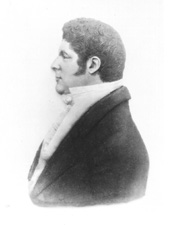
Jeremiah Howell
Former U.S. Senator from Rhode Island · 1811–1817 · Republican · Class 2
Jeremiah Howell represented Rhode Island in the United States Senate (1811–1817) for the Republican party. The page below collects sourced biographical facts, term history, committee roles, and provenance for Howell.
Bioguide ID: H000865
Key facts
- Full name
- Jeremiah Howell
- State
- Rhode Island
- Party
- Republican
- Senate class
- Class II
- Senate service
- 1811–1817
- First Senate term
- 1811
- Status
- Left office
- Current term ends
- —
- Born
- 1771
- Bioguide ID
- H000865
- Committee assignments
- —
- Dataset version
- 1.20260602
Biographical narrative
825 words · sourced from the Wikipedia REST extract
Jeremiah Howell was a prominent political figure in early American history, serving as a United States Senator from Rhode Island. A member of the Republican Party, he held office from 1811 until 1817. Howell's tenure in the Senate was marked by his involvement in significant national issues of the time, including his notable stance on the War of 1812. In addition to his political career, Howell had a background in law and military service, reflecting the multifaceted roles that many early American leaders undertook.
Early life and career
Jeremiah Howell was born on August 28, 1771, in Providence, Rhode Island. He was raised in an environment that valued education and civic engagement. Howell attended private schools during his formative years, where he received a classical education that laid the groundwork for his future endeavors. In 1789, he graduated from the College of Rhode Island and Providence Plantations, which is now known as Brown University. This institution was known for its rigorous academic standards and commitment to the liberal arts, providing Howell with a strong foundation in various disciplines.
After completing his education, Howell pursued a career in law. He studied the legal profession diligently and was admitted to the bar in 1793. Following his admission, he began practicing law in Providence, where he built a reputation as a competent attorney. His legal career was complemented by his involvement in the local militia, where he achieved the rank of brigadier general. This military experience not only demonstrated his leadership abilities but also reflected the common practice of civic duty among early American leaders.
Howell's family background also played a role in shaping his political career. His father, David Howell, was a member of the Continental Congress, which likely influenced Jeremiah's interest in public service and governance. The legacy of his father's political involvement may have provided him with insights into the workings of government and the importance of civic responsibility.
Senate tenure
Jeremiah Howell's political career reached a significant milestone when he was elected to the United States Senate as a member of the Republican Party. His first term began on March 4, 1811, during a period of growing national tension and political division. Howell served in the Senate until March 3, 1817, marking a six-year tenure in which he participated in various legislative activities and debates.
During his time in the Senate, Howell was involved in key discussions regarding national issues, including the contentious topic of war. Notably, he voted against the declaration of war against Britain on June 17, 1812. This decision reflected a cautious approach to foreign conflict, which was a significant issue for many Americans at the time. Howell's opposition to the war may have stemmed from concerns about the potential consequences for the young nation, as well as the economic implications for Rhode Island and its citizens.
Throughout his Senate career, Howell did not seek reelection after his term ended in 1817. His decision not to pursue a second term may have been influenced by various factors, including personal considerations or a desire to return to private life after years of public service. Following his departure from the Senate, Howell remained a respected figure in Rhode Island, although he did not hold any further elected office.
Legislative focus and committees
During his tenure in the Senate, Jeremiah Howell served on several committees, contributing to the legislative process in various capacities. Notably, he held the position of chairman of the Committee on Pensions during the Fourteenth Congress. This role involved overseeing matters related to veterans' benefits and pensions, which were particularly relevant in the context of the War of 1812 and the needs of soldiers returning from conflict.
Howell's work on the Committee on Pensions underscored his commitment to addressing the welfare of those who served in the military. The committee's responsibilities included evaluating pension applications and ensuring that veterans received the support they needed after their service. This focus on veterans' issues was significant, as it reflected the broader societal recognition of the sacrifices made by soldiers and the importance of providing for their well-being.
In addition to his committee work, Howell's legislative activities were likely influenced by the political climate of the early 19th century. The period was characterized by debates over issues such as states' rights, federal authority, and the balance of power between the national government and individual states. Howell's positions on these matters would have been shaped by his experiences as a lawyer, military officer, and member of a politically active family.
After his Senate career concluded, Howell returned to Providence, where he continued to be involved in local affairs until his death on February 5, 1822. He was interred in North Burial Ground, a testament to his status as a notable figure in Rhode Island's history. Howell's contributions to the early legislative framework of the United States and his commitment to public service remain a part of the historical narrative of the nation.
Notable legislation
Sponsored and co-sponsored legislation for Jeremiah Howell is pending operator curation. The biographical narrative above carries the same provenance trail until per-bill rows are written.
Sources
- [1]https://en.wikipedia.org/wiki/Jeremiah_B._HowellWikipedia · retrieved 2026-06-02
Notable quotes
Sourced quotes for Jeremiah Howell are pending operator curation. Narrative-scope provenance remains attached below.
Sources
- [1]https://en.wikipedia.org/wiki/Jeremiah_B._HowellWikipedia · retrieved 2026-06-02
Key positions
Curated policy positions for Jeremiah Howell are pending operator review. The biographical narrative above carries the same provenance trail until per-topic positions are written.
Sources
- [1]https://en.wikipedia.org/wiki/Jeremiah_B._HowellWikipedia · retrieved 2026-06-02
Terms served
- 1811–1817U.S. Senate · Term 1 · Republican · Class II
Sources & provenance
Every attributable claim above carries a per-section [N] marker that resolves to the corresponding URL below. Each entry records the upstream provider, the canonical URL, and the timestamp at which the source was retrieved by the ingest pipeline.
Key facts
- https://bioguide.congress.gov/search/bio/H000865bioguide · retrieved 2026-06-02
- https://www.govtrack.us/congress/members/405712govtrack · retrieved 2026-06-02
Biographical narrative
- https://en.wikipedia.org/wiki/Jeremiah_B._Howellwikipedia · retrieved 2026-06-02
Find your senator
Every U.S. state elects two senators. Browse Rhode Island’s delegation, the full former-senator roster, or explore the role and term length.
Related on The Candidate
- Preceded by Elisha MathewsonEarlier holder of the Rhode Island Class II Senate seat · Republican.Open
- Succeeded by James Burrill Jr.Later holder of the Rhode Island Class II Senate seat · Federalist.Open
- Albert GreeneFormer U.S. Senator from Rhode Island · WhigOpen
- Ambrose BurnsideFormer U.S. Senator from Rhode Island · RepublicanOpen
- Asher RobbinsFormer U.S. Senator from Rhode Island · WhigOpen
- Benjamin HowlandFormer U.S. Senator from Rhode Island · RepublicanOpen