
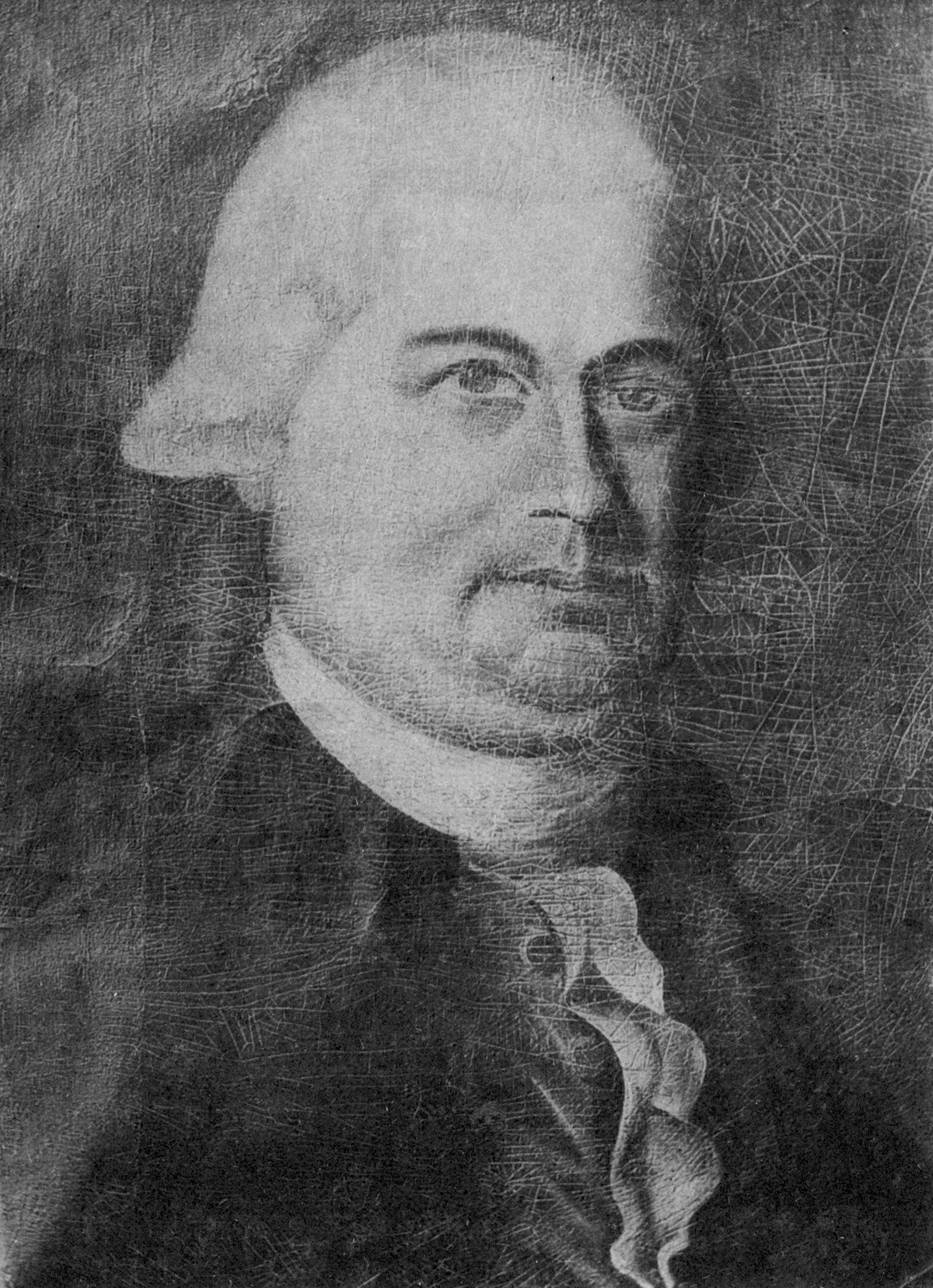
Historical · U.S. Senate · Rhode Island
Theodore Foster
Former U.S. Senator from Rhode Island · 1790–1803 · Republican · Class 1
Theodore Foster represented Rhode Island in the United States Senate (1790–1803) for the Republican party. The page below collects sourced biographical facts, term history, committee roles, and provenance for Foster.
Bioguide ID: F000313
Key facts
- Full name
- Theodore Foster
- State
- Rhode Island
- Party
- Republican
- Senate class
- Class I
- Senate service
- 1790–1803
- First Senate term
- 1790
- Status
- Left office
- Current term ends
- —
- Born
- 1752
- Bioguide ID
- F000313
- Committee assignments
- —
- Dataset version
- 1.20260602
Biographical narrative
838 words · sourced from the Wikipedia REST extract
Theodore Foster was an American lawyer and politician who served as one of the first two United States Senators from Rhode Island. A member of the Republican Party, he held office during the early years of the United States Senate, contributing to the establishment of the legislative body. His career spanned from the founding of the nation through the early 19th century, and he was known for his involvement in both state and national politics. Foster's tenure in the Senate lasted from 1790 until 1803, during which he played a significant role in the formative years of the United States government.
Early life and career
Theodore Foster was born on April 29, 1752, in Brookfield, Massachusetts. He pursued classical studies at the college in the English Colony of Rhode Island and Providence Plantations, which is now known as Brown University, where he graduated in 1770. Following his graduation, Foster studied law and began his legal career in Providence, Rhode Island. He was admitted to the bar in 1771 and quickly established himself as a practicing attorney. In addition to his legal work, he served as the town clerk of Providence from 1775 to 1787, a role that allowed him to gain further experience in governance and public service.
Foster's educational background included earning a master's degree from Dartmouth College in 1786. He was influenced by prominent figures in Rhode Island's early history, including Stephen Hopkins, the first chancellor of Brown University and a notable revolutionary patriot. Foster's connections in the political sphere were further strengthened through his marriage to the sister of Arthur Fenner, who would later become the governor of Rhode Island.
Foster's early involvement in the American Revolution included participation in the Gaspee Affair of 1772, a significant event that helped galvanize colonial resistance against British rule. His support for General George Washington and alignment with the Federalist cause marked him as a committed patriot during a pivotal time in American history.
Senate tenure
Foster's political career took a significant turn in 1790 when he was elected to the United States Senate. His term began on June 12 of that year, making him one of the first two senators to represent Rhode Island in the newly formed legislative body. During his time in the Senate, Foster was re-elected by the Rhode Island state legislature in 1791 and again in 1797, reflecting his continued support among his constituents.
Foster's Senate tenure lasted until March 3, 1803, at which point he chose to retire from public life. His decision to step down was influenced by a desire to focus on writing and historical research. During his time in the Senate, Foster contributed to the early legislative framework of the United States, participating in discussions and decisions that would shape the nation's governance.
After leaving the Senate, Foster remained active in public life, returning to serve in the Rhode Island state legislature from 1812 to 1816. His involvement in state politics demonstrated his ongoing commitment to public service and governance.
Legislative focus and committees
While specific details about Foster's legislative focus and committee assignments during his Senate tenure are not extensively documented, it is known that he was a member of the Federalist Party, which was prominent in the early years of the United States. The Federalists were known for their support of a strong central government, and Foster's alignment with this party suggests that he likely advocated for policies that aligned with these principles.
Throughout his career, Foster was recognized for his contributions to the establishment of the United States Senate and its early operations. His experience as a lawyer and town clerk provided him with a solid foundation for understanding the complexities of governance and legislation. Although the specifics of his legislative initiatives are not detailed, his role as a senator during a formative period in American history was significant.
In addition to his political career, Foster was deeply involved in historical preservation and scholarship. He became a member of the American Antiquarian Society in 1820, reflecting his interest in collecting and preserving historical documents related to colonial Providence. He played a key role in founding the Rhode Island Historical Society in 1822, which aimed to promote the study and preservation of Rhode Island's history. His extensive collection of historical documents, much of which was unpublished, was sold to the society by his heirs in 1833, ensuring that these materials would be preserved for future generations.
Foster's contributions to education included serving as a trustee of Brown University, where he had previously studied. His involvement in the university demonstrated his commitment to higher education and the importance of academic institutions in society.
Theodore Foster passed away on January 13, 1828, and was interred in Swan Point Cemetery in Providence, Rhode Island. His legacy includes not only his role as a senator but also his contributions to historical scholarship and the preservation of Rhode Island's rich history. The town of Foster, Rhode Island, is named in his honor, reflecting his lasting impact on the state.
Notable legislation
Sponsored and co-sponsored legislation for Theodore Foster is pending operator curation. The biographical narrative above carries the same provenance trail until per-bill rows are written.
Sources
- [1]https://en.wikipedia.org/wiki/Theodore_FosterWikipedia · retrieved 2026-06-02
Notable quotes
Sourced quotes for Theodore Foster are pending operator curation. Narrative-scope provenance remains attached below.
Sources
- [1]https://en.wikipedia.org/wiki/Theodore_FosterWikipedia · retrieved 2026-06-02
Key positions
Curated policy positions for Theodore Foster are pending operator review. The biographical narrative above carries the same provenance trail until per-topic positions are written.
Sources
- [1]https://en.wikipedia.org/wiki/Theodore_FosterWikipedia · retrieved 2026-06-02
Terms served
- 1790–1791U.S. Senate · Term 1 · Federalist · Class I
- 1791–1797U.S. Senate · Term 2 · Federalist · Class I
- 1797–1803U.S. Senate · Term 3 · Republican · Class I
Sources & provenance
Every attributable claim above carries a per-section [N] marker that resolves to the corresponding URL below. Each entry records the upstream provider, the canonical URL, and the timestamp at which the source was retrieved by the ingest pipeline.
Key facts
- https://bioguide.congress.gov/search/bio/F000313bioguide · retrieved 2026-06-02
- https://www.govtrack.us/congress/members/404262govtrack · retrieved 2026-06-02
Biographical narrative
- https://en.wikipedia.org/wiki/Theodore_Fosterwikipedia · retrieved 2026-06-02
Find your senator
Every U.S. state elects two senators. Browse Rhode Island’s delegation, the full former-senator roster, or explore the role and term length.
Related on The Candidate
- Succeeded by Samuel PotterLater holder of the Rhode Island Class I Senate seat · Republican.Open
- Albert GreeneFormer U.S. Senator from Rhode Island · WhigOpen
- Ambrose BurnsideFormer U.S. Senator from Rhode Island · RepublicanOpen
- Asher RobbinsFormer U.S. Senator from Rhode Island · WhigOpen
- Benjamin HowlandFormer U.S. Senator from Rhode Island · RepublicanOpen
- Republican PartyFederal candidates and office holders on the Republican line.Open