
Historical · U.S. Senate · South Carolina
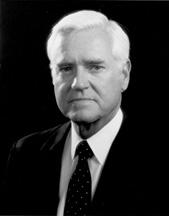
Fritz Hollings
Former U.S. Senator from South Carolina · 1966–2005 · Democratic · Class 3
Fritz Hollings represented South Carolina in the United States Senate (1966–2005) for the Democratic party. The page below collects sourced biographical facts, term history, committee roles, and provenance for Hollings.
Bioguide ID: H000725
Key facts
- Full name
- Fritz Hollings
- State
- South Carolina
- Party
- Democratic
- Senate class
- Class III
- Senate service
- 1966–2005
- First Senate term
- 1966
- Status
- Left office
- Current term ends
- —
- Born
- 1922
- Bioguide ID
- H000725
- Committee assignments
- —
- Dataset version
- 1.20260602
Biographical narrative
986 words · sourced from the Wikipedia REST extract
Ernest F. Hollings was a prominent American politician who served as a U.S. Senator from South Carolina for nearly four decades. A member of the Democratic Party, Hollings was known for his long tenure in the Senate, where he was involved in various legislative initiatives and served on multiple committees. His political career began in the mid-20th century, and he became a significant figure in South Carolina and national politics until his retirement in 2005.
Early life and career
Ernest F. Hollings was born on January 1, 1922. Growing up in South Carolina, he developed an early interest in public service and politics. His formative years were marked by the historical events of the early 20th century, which shaped his worldview and future political aspirations. After completing his education, Hollings served in the United States Army during World War II, an experience that contributed to his understanding of national issues and the importance of civic duty.
Following his military service, Hollings pursued a career in law and politics. He earned his law degree and began to establish himself within the political landscape of South Carolina. His initial foray into public office came when he was elected to the South Carolina House of Representatives, where he served from 1949 to 1951. This early experience in state politics provided him with valuable insights into governance and the legislative process.
Hollings's political career continued to ascend when he was elected as the 106th Governor of South Carolina, serving from 1959 to 1963. His governorship was characterized by efforts to improve the state's education system and infrastructure, as well as a focus on economic development. These initiatives laid the groundwork for his future legislative priorities in the U.S. Senate.
In 1966, Hollings transitioned to national politics when he was elected to the United States Senate. His election marked the beginning of a long and influential career in the Senate, where he would serve for nearly 40 years. Throughout his time in office, Hollings became known for his commitment to public service and his ability to navigate the complexities of federal legislation.
Senate tenure
Ernest F. Hollings's Senate career began in 1966, and he quickly established himself as a key figure in the Democratic Party. Over the course of his seven terms in the Senate, he became known for his dedication to various issues, including education, health care, and economic development. His long tenure allowed him to build relationships across party lines, which facilitated his ability to work on bipartisan initiatives.
During his time in the Senate, Hollings served on several important committees, where he played a significant role in shaping legislation. His experience and seniority enabled him to influence a wide range of policy areas, from budgetary matters to social issues. Hollings was particularly active in discussions surrounding the federal budget and appropriations, where he advocated for funding that would benefit South Carolina and the nation.
Hollings's Senate career was marked by his ability to adapt to changing political landscapes. He navigated the challenges of the civil rights movement, the Vietnam War, and the evolving economic conditions of the United States. His legislative efforts often reflected a commitment to addressing the needs of his constituents while also considering broader national interests.
Throughout his time in the Senate, Hollings was involved in numerous significant legislative initiatives. He worked on issues related to education reform, health care access, and economic development, striving to improve the quality of life for South Carolinians and Americans alike. His ability to engage with various stakeholders and build coalitions was a hallmark of his approach to governance.
Hollings's Senate career concluded on January 3, 2005, when he retired after serving for nearly four decades. His departure marked the end of an era in South Carolina politics, as he had become a well-respected figure both within the state and in the national political arena.
Legislative focus and committees
Throughout his Senate tenure, Ernest F. Hollings focused on a variety of legislative issues that reflected the needs and interests of his constituents in South Carolina. His work encompassed a broad range of topics, including education, health care, and economic development, which were central to his policy agenda.
One of Hollings's primary areas of focus was education. He advocated for increased funding for public education and worked on initiatives aimed at improving access to quality education for all students. His commitment to education reform was evident in his support for various programs designed to enhance educational opportunities, particularly for disadvantaged communities.
In addition to education, Hollings was deeply concerned with health care issues. He supported efforts to expand access to health care services and improve the overall health of the population. His legislative work in this area included initiatives aimed at addressing the needs of vulnerable populations and ensuring that health care remained accessible and affordable.
Economic development was another key focus of Hollings's legislative agenda. He recognized the importance of fostering economic growth and job creation in South Carolina. His efforts included advocating for federal investments in infrastructure and supporting initiatives that aimed to attract businesses to the state. Hollings believed that a strong economy was essential for the well-being of his constituents and the nation as a whole.
Hollings served on several important Senate committees during his tenure, which allowed him to influence a wide range of policy areas. His committee assignments provided him with opportunities to engage in critical discussions and contribute to the development of legislation that addressed pressing national issues. His experience and leadership within these committees were instrumental in advancing his legislative priorities.
In summary, Ernest F. Hollings's career as a U.S. Senator was characterized by a commitment to public service and a focus on issues that mattered to his constituents. His long tenure in the Senate allowed him to make significant contributions to the legislative process, and his work continues to be recognized as part of South Carolina's political history.
Notable legislation
Sponsored and co-sponsored legislation for Fritz Hollings is pending operator curation. The biographical narrative above carries the same provenance trail until per-bill rows are written.
Sources
- [1]https://en.wikipedia.org/wiki/Fritz_HollingsWikipedia · retrieved 2026-06-02
Notable quotes
Sourced quotes for Fritz Hollings are pending operator curation. Narrative-scope provenance remains attached below.
Sources
- [1]https://en.wikipedia.org/wiki/Fritz_HollingsWikipedia · retrieved 2026-06-02
Key positions
Curated policy positions for Fritz Hollings are pending operator review. The biographical narrative above carries the same provenance trail until per-topic positions are written.
Sources
- [1]https://en.wikipedia.org/wiki/Fritz_HollingsWikipedia · retrieved 2026-06-02
Terms served
- 1966–1969U.S. Senate · Term 1 · Democratic · Class III
- 1969–1975U.S. Senate · Term 2 · Democratic · Class III
- 1975–1981U.S. Senate · Term 3 · Democratic · Class III
- 1981–1987U.S. Senate · Term 4 · Democratic · Class III
- 1987–1993U.S. Senate · Term 5 · Democratic · Class III
- 1993–1999U.S. Senate · Term 6 · Democratic · Class III
- 1999–2005U.S. Senate · Term 7 · Democratic · Class III
Sources & provenance
Every attributable claim above carries a per-section [N] marker that resolves to the corresponding URL below. Each entry records the upstream provider, the canonical URL, and the timestamp at which the source was retrieved by the ingest pipeline.
Key facts
- https://bioguide.congress.gov/search/bio/H000725bioguide · retrieved 2026-06-02
- http://hollings.senate.gov/senate.gov · retrieved 2026-06-02
Biographical narrative
- https://en.wikipedia.org/wiki/Fritz_Hollingswikipedia · retrieved 2026-06-02
Find your senator
Every U.S. state elects two senators. Browse South Carolina’s delegation, the full former-senator roster, or explore the role and term length.
Related on The Candidate
- Preceded by Olin JohnstonEarlier holder of the South Carolina Class III Senate seat · Democratic.Open
- Succeeded by Jim DeMintLater holder of the South Carolina Class III Senate seat · Republican.Open
- Alva LumpkinFormer U.S. Senator from South Carolina · DemocraticOpen
- Andrew ButlerFormer U.S. Senator from South Carolina · DemocraticOpen
- Arthur HayneFormer U.S. Senator from South Carolina · DemocraticOpen
- Asbury LatimerFormer U.S. Senator from South Carolina · DemocraticOpen