
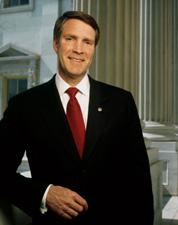
Historical · U.S. Senate · Tennessee
Bill Frist
Former U.S. Senator from Tennessee · 1995–2007 · Republican · Class 1
Bill Frist represented Tennessee in the United States Senate (1995–2007) for the Republican party. The page below collects sourced biographical facts, term history, committee roles, and provenance for Frist.
Bioguide ID: F000439
Key facts
- Full name
- Bill Frist
- State
- Tennessee
- Party
- Republican
- Senate class
- Class I
- Senate service
- 1995–2007
- First Senate term
- 1995
- Status
- Left office
- Current term ends
- —
- Born
- 1952
- Bioguide ID
- F000439
- Committee assignments
- —
- Dataset version
- 1.20260602
Biographical narrative
950 words · sourced from the Wikipedia REST extract
William H. Frist is a former U.S. Senator from Tennessee, representing the Republican Party. He served in the Senate from 1995 until the conclusion of his last term on January 3, 2007. During his time in office, Frist held a prominent role in various legislative matters and was recognized for his leadership within the Senate. His tenure is marked by significant contributions to health care policy and other key issues facing the nation.
Early life and career
William H. Frist was born on February 22, 1952. He grew up in a family that valued education and public service, which likely influenced his later career in politics. Frist pursued higher education at Princeton University, where he earned a Bachelor of Arts degree. His academic journey continued at Harvard Medical School, where he received his medical degree. Frist's background in medicine would later inform his legislative priorities, particularly in health care.
Before entering politics, Frist established a successful career as a heart and lung surgeon. He practiced medicine for several years, gaining a reputation for his expertise and dedication to patient care. His medical career not only provided him with a solid foundation in health-related issues but also offered him insights into the challenges faced by the American health care system. This experience would prove invaluable as he transitioned into a political career.
Frist's entry into politics was marked by his election to the U.S. Senate in 1994, where he successfully ran for the seat previously held by Democratic Senator Jim Sasser. His campaign focused on themes of fiscal responsibility, health care reform, and a commitment to conservative values. Frist's medical background and his ability to communicate complex health issues resonated with voters, contributing to his electoral success.
Senate tenure
William H. Frist began his first term in the U.S. Senate on January 3, 1995. Throughout his tenure, he was known for his leadership abilities and was eventually elected as the Senate Majority Leader, a position he held from 2003 to 2007. As Majority Leader, Frist played a crucial role in shaping the legislative agenda of the Senate, guiding key pieces of legislation through the chamber and working to unify his party's efforts.
During his time in the Senate, Frist was involved in a wide range of issues, including health care, education, and national security. He was particularly focused on health care reform, advocating for policies aimed at improving access to medical services and reducing costs for patients. His background as a physician allowed him to approach these issues with a unique perspective, emphasizing the importance of patient care and the need for effective health policies.
Frist's leadership style was characterized by a collaborative approach, often seeking to build consensus among his colleagues. He worked closely with both Republican and Democratic senators to address pressing national issues, demonstrating a willingness to engage in bipartisan discussions. This approach was particularly important during times of political division, as it allowed him to navigate complex legislative challenges.
Throughout his Senate career, Frist was re-elected to serve a second term, reflecting the support he garnered from his constituents in Tennessee. His tenure was marked by significant legislative achievements, including efforts to reform Medicare and initiatives aimed at improving public health. Frist's ability to articulate health care issues and advocate for reform made him a prominent figure in discussions surrounding health policy during his time in office.
Frist's Senate career came to an end on January 3, 2007, when he completed his second term. His departure from the Senate marked the conclusion of a significant chapter in his public service, but his influence on health care policy and legislative leadership continued to resonate beyond his time in office.
Legislative focus and committees
During his time in the Senate, William H. Frist was a member of several important committees that shaped his legislative focus. His medical background positioned him as a key player in health-related discussions, and he served on committees that addressed health care, education, and other critical issues. His involvement in these committees allowed him to advocate for policies that aligned with his vision for improving the health care system in the United States.
Frist's work on health care issues was particularly notable. He was a strong advocate for health care reform, emphasizing the need for policies that would enhance access to care and improve the quality of services available to patients. His efforts included initiatives aimed at expanding health insurance coverage and reducing the costs associated with medical care. Frist's expertise as a physician informed his approach to these issues, enabling him to provide valuable insights into the challenges faced by both patients and providers.
In addition to health care, Frist was involved in education policy, advocating for reforms that would enhance educational opportunities for students. He recognized the importance of education in fostering economic growth and social mobility, and he worked to promote policies that would improve the quality of education in Tennessee and across the nation.
Frist's legislative focus extended to national security as well, particularly in the aftermath of the September 11 attacks. He supported measures aimed at enhancing the nation's security infrastructure and addressing emerging threats. His commitment to national security reflected a broader concern for the safety and well-being of American citizens.
Throughout his Senate career, Frist's leadership and legislative efforts were marked by a dedication to public service and a commitment to addressing the needs of his constituents. His ability to navigate complex issues and build consensus among his colleagues contributed to his effectiveness as a legislator. While his time in the Senate has concluded, the impact of his work continues to be felt in the ongoing discussions surrounding health care and other critical policy areas.
Notable legislation
Sponsored and co-sponsored legislation for Bill Frist is pending operator curation. The biographical narrative above carries the same provenance trail until per-bill rows are written.
Sources
- [1]https://en.wikipedia.org/wiki/Bill_FristWikipedia · retrieved 2026-06-02
Notable quotes
Sourced quotes for Bill Frist are pending operator curation. Narrative-scope provenance remains attached below.
Sources
- [1]https://en.wikipedia.org/wiki/Bill_FristWikipedia · retrieved 2026-06-02
Key positions
Curated policy positions for Bill Frist are pending operator review. The biographical narrative above carries the same provenance trail until per-topic positions are written.
Sources
- [1]https://en.wikipedia.org/wiki/Bill_FristWikipedia · retrieved 2026-06-02
Terms served
- 1995–2001U.S. Senate · Term 1 · Republican · Class I
- 2001–2007U.S. Senate · Term 2 · Republican · Class I
Sources & provenance
Every attributable claim above carries a per-section [N] marker that resolves to the corresponding URL below. Each entry records the upstream provider, the canonical URL, and the timestamp at which the source was retrieved by the ingest pipeline.
Key facts
- https://bioguide.congress.gov/search/bio/F000439bioguide · retrieved 2026-06-02
- http://frist.senate.govsenate.gov · retrieved 2026-06-02
Biographical narrative
- https://en.wikipedia.org/wiki/Bill_Fristwikipedia · retrieved 2026-06-02
Find your senator
Every U.S. state elects two senators. Browse Tennessee’s delegation, the full former-senator roster, or explore the role and term length.
Related on The Candidate
- Preceded by James SasserEarlier holder of the Tennessee Class I Senate seat · Democratic.Open
- Succeeded by Bob CorkerLater holder of the Tennessee Class I Senate seat · Republican.Open
- Albert GoreFormer U.S. Senator from Tennessee · DemocraticOpen
- Albert Gore Jr.Former U.S. Senator from Tennessee · DemocraticOpen
- Alexander AndersonFormer U.S. Senator from Tennessee · DemocraticOpen
- Alfred NicholsonFormer U.S. Senator from Tennessee · DemocraticOpen