
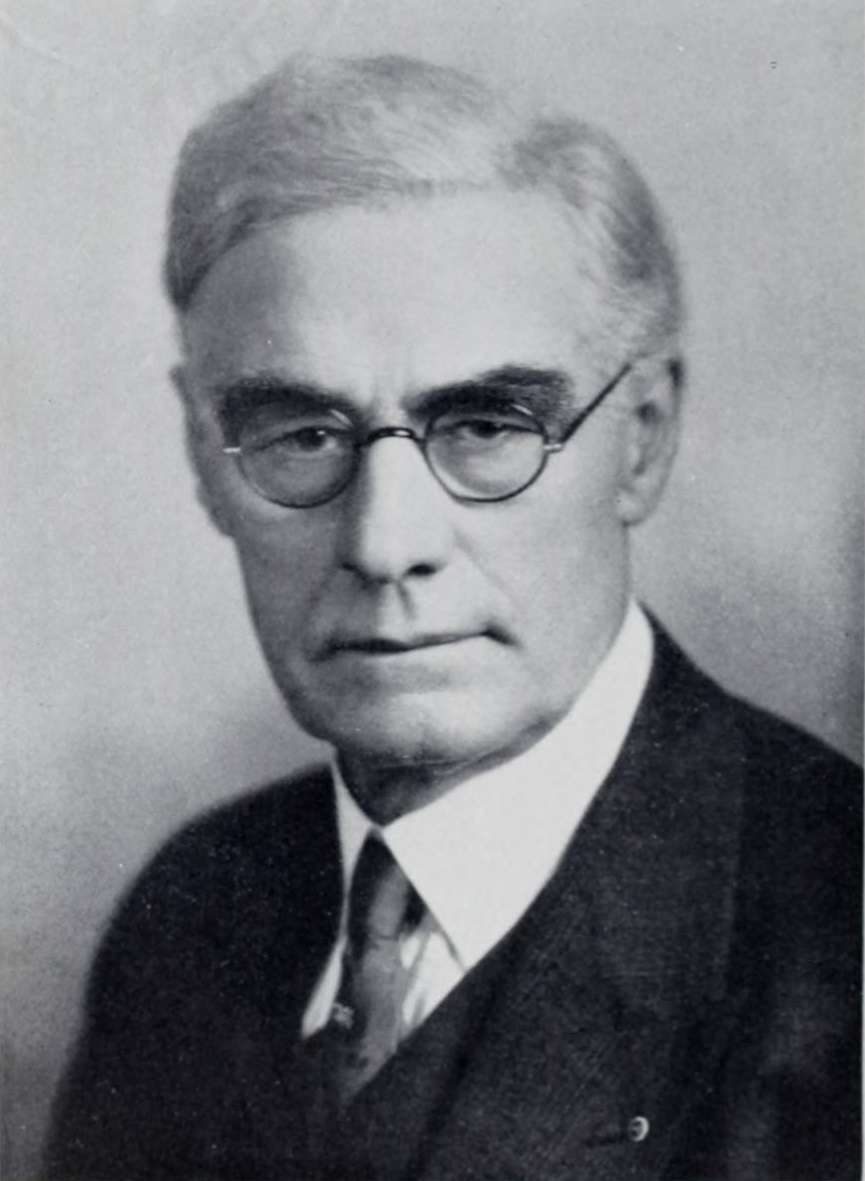
Historical · U.S. House · Colorado · District 3
John Martin
Former U.S. Representative · Colorado District 3 · 1909–1941 · Democratic
John Martin represented Colorado's District 3 in the United States House of Representatives (1909–1941) for the Democratic party. The page below collects sourced biographical facts, term history, committee roles, and provenance for Martin.
Bioguide ID: M000186
Key facts
- Full name
- John Martin
- State
- Colorado
- District
- District 3
- Party
- Democratic
- House service
- 1909–1941
- First House term
- 1909
- Status
- Left office
- Current term ends
- —
- Born
- 1868
- Bioguide ID
- M000186
- Committee assignments
- —
- Dataset version
- 1.20260605
Biographical narrative
816 words · sourced from the Wikipedia REST extract
John Martin was an American journalist, attorney, soldier, and politician who served as a U.S. Representative from Colorado's 3rd congressional district. A member of the Democratic Party, he had two distinct tenures in the House of Representatives, first from 1909 to 1913 and then from 1933 until his death in 1939. Throughout his life, Martin was involved in various professions, including law and journalism, and he played a significant role in military service during World War I. His legislative work focused on issues related to railroads and veterans, reflecting his background and interests.
Early life and career
John Martin was born on April 10, 1868, in Cincinnati, Ohio, to Hugh and Ann (Bohan) Martin. His early education took place in public schools in Mexico and Fulton, Missouri, where he studied until the age of twelve. At that point, he began working in a tobacco factory to help support his family. In 1884, the Martin family relocated to Kansas, where John continued to work, this time on a farm in Turon.
In 1887, Martin moved to Colorado, where he initially found employment in railroad construction. He worked as a locomotive fireman from 1887 to 1894, contributing to the construction of the Colorado Midland Railroad and later serving as a locomotive engineer for the Santa Fe Railroad. His involvement in the railroad industry provided him with insights into the economic and labor issues that would later inform his legislative priorities.
Martin's career in journalism began when he became the publisher of the La Junta Times. He also engaged in local politics, serving on the city council of La Junta in 1895 and 1896. His interest in law led him to study the subject, and he was admitted to the bar in 1896. In 1897, he began practicing law in Pueblo, Colorado, where he established a legal career that would span several decades.
In addition to his legal practice, Martin entered public service as a member of the Colorado State House of Representatives in 1901 and 1902. He held the position of city attorney in Pueblo during 1905 and 1906, further solidifying his reputation in local governance.
House tenure
Martin's first term in the U.S. House of Representatives began on March 4, 1909, after he was elected as a Democrat to the 61st and 62nd Congresses. He served in the House until March 3, 1913, when he chose not to seek re-election. Following his initial congressional service, Martin returned to his legal practice and briefly sought the Democratic nomination for U.S. Senate in 1914, although he withdrew before the primary election.
During World War I, Martin attempted to enlist but was denied due to his age and family responsibilities. Instead, he took on a leadership role by recruiting a volunteer battalion of National Guardsmen in Pueblo, for which he was commissioned as a major. He commanded the 115th Supply Train of the Fortieth Division, contributing to the war effort and demonstrating his commitment to service.
After a two-decade hiatus from Congress, Martin was elected again in 1932, this time to the 73rd Congress, and he served in the House from March 4, 1933, until his death in 1939. His return to Congress coincided with a period of significant legislative activity, particularly in response to the economic challenges of the Great Depression.
Legislative focus and committees
During his second tenure in Congress, Martin was involved in several important legislative initiatives. He worked on the Railroad Retirement Act of 1935, which aimed to provide retirement benefits for railroad workers, reflecting his background in the railroad industry. Additionally, he contributed to the Railroad Unemployment Insurance Act, which sought to address unemployment issues faced by railroad workers during the economic downturn.
Martin also played a role in framing holding company legislation while serving on the House Interstate and Foreign Commerce Committee. His work on these committees demonstrated his commitment to addressing the needs of workers and the economic stability of the industries that were vital to Colorado and the nation.
Throughout his congressional career, Martin's legislative efforts were influenced by his personal experiences and professional background. His understanding of the challenges faced by workers, particularly in the railroad sector, informed his advocacy for policies aimed at improving labor conditions and providing support for those in need.
In his personal life, Martin married Rose May Chitwood in Kansas, and they had a daughter named Stella. He was also a member of various veterans' organizations, including the Disabled American Veterans of the World War and the American Legion, reflecting his ongoing commitment to supporting fellow veterans.
John Martin passed away on December 23, 1939, in Washington, D.C., after suffering from ptomaine poisoning. He was laid to rest in Mountain View Cemetery in Pueblo, Colorado. His life and career exemplified a dedication to public service, law, and the welfare of his constituents, leaving a legacy that would be remembered in Colorado's political history.
Notable legislation
Sponsored and co-sponsored legislation for John Martin is pending operator curation. The biographical narrative above carries the same provenance trail until per-bill rows are written.
Sources
- [1]https://en.wikipedia.org/wiki/John_Andrew_MartinWikipedia · retrieved 2026-06-05
Notable quotes
Sourced quotes for John Martin are pending operator curation. Narrative-scope provenance remains attached below.
Sources
- [1]https://en.wikipedia.org/wiki/John_Andrew_MartinWikipedia · retrieved 2026-06-05
Key positions
Curated policy positions for John Martin are pending operator review. The biographical narrative above carries the same provenance trail until per-topic positions are written.
Sources
- [1]https://en.wikipedia.org/wiki/John_Andrew_MartinWikipedia · retrieved 2026-06-05
Terms served
- 1909–1911U.S. House · Term 1 · Democratic
- 1911–1913U.S. House · Term 2 · Democratic
- 1933–1935U.S. House · Term 3 · Democratic
- 1935–1937U.S. House · Term 4 · Democratic
- 1937–1939U.S. House · Term 5 · Democratic
- 1939–1941U.S. House · Term 6 · Democratic
Sources & provenance
Every attributable claim above carries a per-section [N] marker that resolves to the corresponding URL below. Each entry records the upstream provider, the canonical URL, and the timestamp at which the source was retrieved by the ingest pipeline.
Key facts
- https://bioguide.congress.gov/search/bio/M000186bioguide · retrieved 2026-06-05
- https://www.govtrack.us/congress/members/407207govtrack · retrieved 2026-06-05
Biographical narrative
- https://en.wikipedia.org/wiki/John_Andrew_Martinwikipedia · retrieved 2026-06-05
Find your representative
Every U.S. state elects representatives by district. Browse Colorado’s delegation, the full former-representative roster, or explore the role and term length.
Related on The Candidate
- Succeeded by John ChenowethLater holder of the Colorado District 3 House seat · Republican.Open
- Atterson RuckerFormer U.S. Representative · Colorado District 1 · DemocraticOpen
- Benjamin HilliardFormer U.S. Representative · Colorado District 1 · DemocraticOpen
- Byron RogersFormer U.S. Representative · Colorado District 1 · DemocraticOpen
- Dean GillespieFormer U.S. Representative · Colorado District 1 · RepublicanOpen
- Democratic PartyFederal candidates and office holders on the Democratic line.Open