
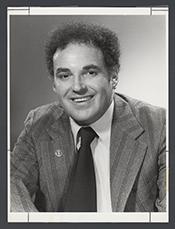
Historical · U.S. House · Colorado · District 5
Kenneth Kramer
Former U.S. Representative · Colorado District 5 · 1979–1987 · Republican
Kenneth Kramer represented Colorado's District 5 in the United States House of Representatives (1979–1987) for the Republican party. The page below collects sourced biographical facts, term history, committee roles, and provenance for Kramer.
Bioguide ID: K000322
Key facts
- Full name
- Kenneth Kramer
- State
- Colorado
- District
- District 5
- Party
- Republican
- House service
- 1979–1987
- First House term
- 1979
- Status
- Left office
- Current term ends
- —
- Born
- 1942
- Bioguide ID
- K000322
- Committee assignments
- —
- Dataset version
- 1.20260605
Biographical narrative
968 words · sourced from the Wikipedia REST extract
Kenneth Bentley Kramer is a former American politician, lawyer, and jurist who served as a Republican member of the United States House of Representatives. He represented Colorado's 5th congressional district for four consecutive terms from 1979 until 1987. Throughout his political career, Kramer was involved in various legislative activities and held significant positions in both state and federal government. His post-congressional career included roles in the judicial system and appointments by two U.S. Presidents.
Early life and career
Kenneth Bentley Kramer was born on February 19, 1942, in Chicago, Illinois. He spent his formative years in Skokie, a suburb of Chicago, where he was raised in a community that would later influence his values and political outlook. Kramer's educational journey began at the University of Illinois, where he pursued undergraduate studies. After completing his degree, he furthered his education at Harvard University, a prestigious institution known for its rigorous academic programs. At Harvard, he earned his Juris Doctor, which laid the groundwork for his future legal career.
Following his admission to the bar in 1966, Kramer embarked on a legal career that would see him take on various roles within the judicial system. By 1970, he had advanced to the position of assistant district attorney for Colorado's Fourth Judicial District. This role provided him with valuable experience in the legal field and a deeper understanding of the workings of the justice system. His legal expertise and commitment to public service led him to enter politics, where he sought to make a broader impact on his community and state.
In 1972, Kramer successfully ran for a seat in the Colorado House of Representatives. During his tenure, he served three terms, focusing on issues pertinent to his constituents and gaining experience in legislative processes. His time in the state legislature prepared him for the next step in his political career, as he sought to represent Colorado at the federal level.
House tenure
In 1978, Kramer was elected to the United States House of Representatives, filling a vacancy left by William Armstrong, who had been elected to the U.S. Senate. He represented Colorado's 5th congressional district, a position he held for eight years. During his time in Congress, Kramer was part of a Republican majority and contributed to various legislative initiatives that aligned with the party's platform. His election marked the beginning of a significant chapter in his political career, as he navigated the complexities of federal legislation and worked to address the needs of his constituents.
Throughout his four terms in the House, Kramer participated in numerous debates and discussions on a wide range of issues. His legislative focus included matters related to the economy, defense, and social policies, reflecting the priorities of his party and the interests of his district. Kramer's experience as a lawyer likely informed his approach to legislation, as he sought to craft laws that would benefit his constituents while adhering to legal principles.
Kramer's congressional career came to an end in 1987 when he chose not to seek re-election. His decision to leave the House was influenced by his desire to pursue a higher office, leading him to run for the United States Senate in 1986. However, he was unsuccessful in that bid, losing to Democrat Tim Wirth. Despite this setback, Kramer's time in the House left a lasting impact on his political career and provided him with valuable experience that he would carry into his subsequent roles.
Legislative focus and committees
During his tenure in the House of Representatives, Ken Kramer was involved in various legislative committees and initiatives that shaped his focus as a lawmaker. While specific details regarding the committees he served on are not provided, it is common for members of Congress to engage with committees that align with their interests and the needs of their constituents. These committees often play a crucial role in the legislative process, reviewing proposed legislation, conducting hearings, and making recommendations to the full House.
Kramer's legislative priorities likely reflected the concerns of his constituents in Colorado's 5th congressional district, which encompasses a diverse population with varying needs. As a Republican, he would have aligned with the party's broader goals, advocating for policies that promoted economic growth, national security, and individual liberties. His background as a lawyer may have influenced his approach to issues such as criminal justice reform, regulatory policies, and fiscal responsibility.
In addition to his legislative work, Kramer's political career extended beyond his time in the House. After leaving Congress, he returned to Colorado Springs, where he resumed his legal practice. His expertise in law and public service led to further opportunities in government. In 1988, President Ronald Reagan nominated him to serve as the Assistant Secretary of the Army for Financial Management and Comptroller, a position that involved overseeing financial operations within the Army. The Senate confirmed his appointment, reflecting bipartisan support for his qualifications.
Later, under President George H. W. Bush, Kramer was nominated and appointed as a Judge on the United States Court of Appeals for Veterans Claims in 1989. His judicial role allowed him to contribute to the legal system in a different capacity, where he focused on cases related to veterans' benefits and rights. He served as chief judge of the court from 2000 until his retirement in 2004, further solidifying his legacy in the legal community.
Kramer's career has spanned various facets of public service, from state legislator to federal representative and ultimately to a judicial role. His experiences reflect a commitment to serving the public and addressing the needs of the community. Through his work, he has contributed to the legal and political landscape of Colorado and the nation. He is married to Louise Kotoshirodo Kramer, and together they have navigated the challenges and opportunities that come with a life in public service.
Notable legislation
Sponsored and co-sponsored legislation for Kenneth Kramer is pending operator curation. The biographical narrative above carries the same provenance trail until per-bill rows are written.
Sources
- [1]https://en.wikipedia.org/wiki/Ken_KramerWikipedia · retrieved 2026-06-05
Notable quotes
Sourced quotes for Kenneth Kramer are pending operator curation. Narrative-scope provenance remains attached below.
Sources
- [1]https://en.wikipedia.org/wiki/Ken_KramerWikipedia · retrieved 2026-06-05
Key positions
Curated policy positions for Kenneth Kramer are pending operator review. The biographical narrative above carries the same provenance trail until per-topic positions are written.
Sources
- [1]https://en.wikipedia.org/wiki/Ken_KramerWikipedia · retrieved 2026-06-05
Terms served
- 1979–1981U.S. House · Term 1 · Republican
- 1981–1983U.S. House · Term 2 · Republican
- 1983–1985U.S. House · Term 3 · Republican
- 1985–1987U.S. House · Term 4 · Republican
Sources & provenance
Every attributable claim above carries a per-section [N] marker that resolves to the corresponding URL below. Each entry records the upstream provider, the canonical URL, and the timestamp at which the source was retrieved by the ingest pipeline.
Key facts
- https://bioguide.congress.gov/search/bio/K000322bioguide · retrieved 2026-06-05
- https://www.govtrack.us/congress/members/406476govtrack · retrieved 2026-06-05
Biographical narrative
- https://en.wikipedia.org/wiki/Ken_Kramerwikipedia · retrieved 2026-06-05
Find your representative
Every U.S. state elects representatives by district. Browse Colorado’s delegation, the full former-representative roster, or explore the role and term length.
Related on The Candidate
- Succeeded by Joel HefleyLater holder of the Colorado District 5 House seat · Republican.Open
- Atterson RuckerFormer U.S. Representative · Colorado District 1 · DemocraticOpen
- Benjamin HilliardFormer U.S. Representative · Colorado District 1 · DemocraticOpen
- Byron RogersFormer U.S. Representative · Colorado District 1 · DemocraticOpen
- Dean GillespieFormer U.S. Representative · Colorado District 1 · RepublicanOpen
- Republican PartyFederal candidates and office holders on the Republican line.Open