
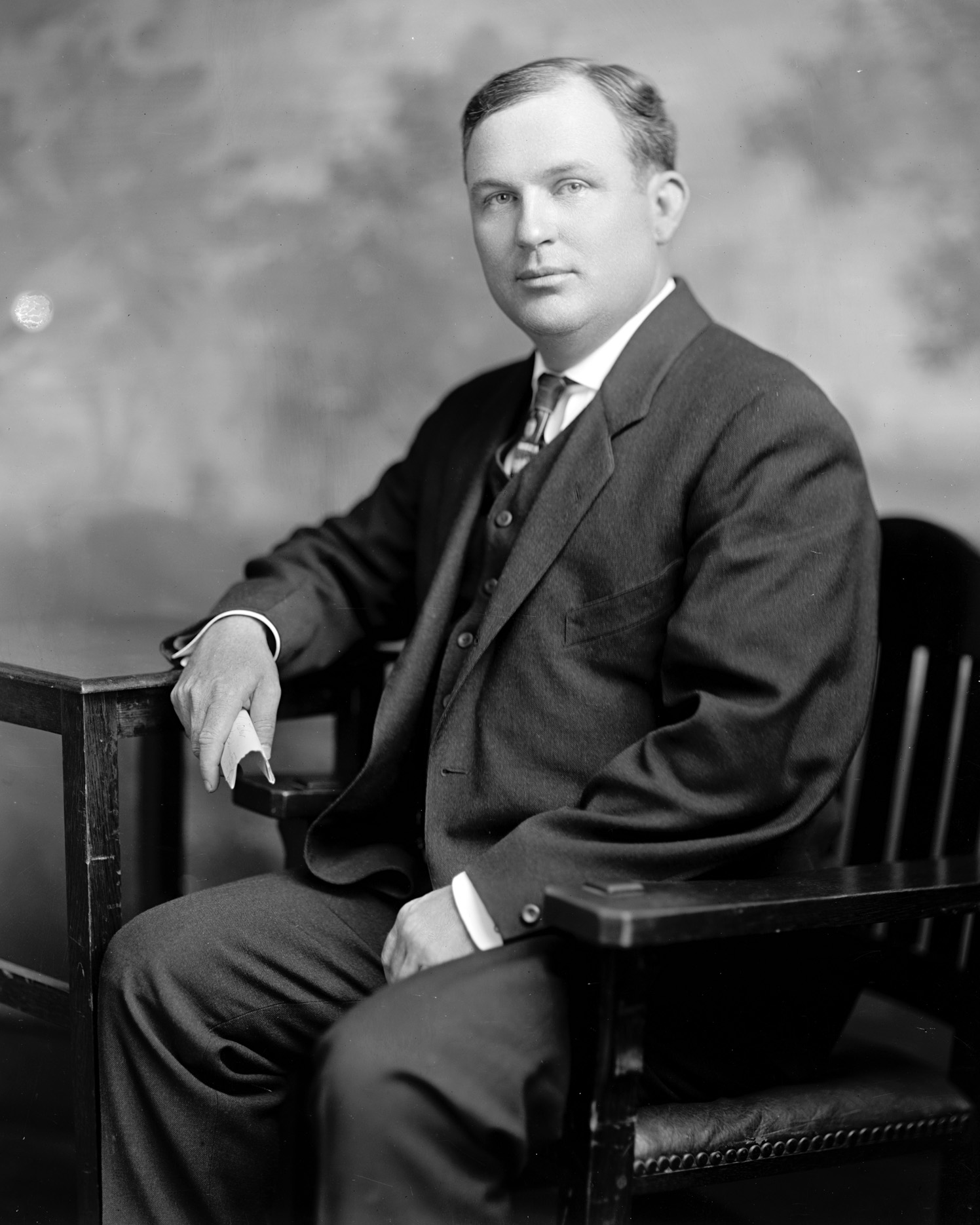
Historical · U.S. House · Georgia · District 11
John Walker
Former U.S. Representative · Georgia District 11 · 1913–1919 · Democratic
John Walker represented Georgia's District 11 in the United States House of Representatives (1913–1919) for the Democratic party. The page below collects sourced biographical facts, term history, committee roles, and provenance for Walker.
Bioguide ID: W000060
Key facts
- Full name
- John Walker
- State
- Georgia
- District
- District 11
- Party
- Democratic
- House service
- 1913–1919
- First House term
- 1913
- Status
- Left office
- Current term ends
- —
- Born
- 1874
- Bioguide ID
- W000060
- Committee assignments
- —
- Dataset version
- 1.20260606
Biographical narrative
899 words · sourced from the Wikipedia REST extract
John Walker was a prominent political figure from Georgia who served as a U.S. Representative for the state's 11th congressional district. A member of the Democratic Party, Walker's congressional career spanned three terms, beginning in 1913 and concluding in 1919. His tenure in the House of Representatives was marked by the political dynamics of the early 20th century, a period characterized by significant social and economic changes in the United States. Walker was born on February 23, 1874, and passed away on July 21, 1942.
Early life and career
John Walker was born near Blackshear, Georgia, a small town that would later become significant in his life and career. His early education took place at Jasper Normal College in Jasper, Florida, where he likely acquired foundational knowledge that would serve him in his future endeavors. Following his time at Jasper Normal College, Walker pursued a legal education at the University of Georgia School of Law. He graduated with a Bachelor of Laws (LL.B.) degree in 1898, which equipped him with the legal expertise necessary for a career in politics and public service.
After completing his law degree, Walker entered the legal profession, establishing himself as a practicing attorney. His legal background would later inform his legislative work, as he navigated the complexities of lawmaking and governance. Walker's early career in law provided him with valuable insights into the legal system and the needs of his constituents, which would be instrumental during his time in Congress.
As a member of the Democratic Party, Walker was part of a political landscape that was undergoing transformation in the early 20th century. The Democratic Party was gaining prominence in the South, and Walker's alignment with this party positioned him well for a political career. His local involvement in politics and community affairs likely laid the groundwork for his eventual election to the U.S. Congress.
House tenure
In 1912, John Walker was elected to the 63rd United States Congress, marking the beginning of his official legislative career. He represented Georgia's 11th congressional district, a position that allowed him to advocate for the interests of his constituents at the national level. Walker's election came during a time of significant political change in the United States, as the country was grappling with issues such as economic reform, labor rights, and the role of government in addressing social challenges.
Walker served three consecutive terms in the House of Representatives, during which he participated in various legislative initiatives and debates. His tenure in Congress coincided with the Progressive Era, a time when many politicians sought to address the social and economic inequalities that were prevalent in American society. As a member of the Democratic Party, Walker aligned himself with the progressive reforms that aimed to improve the lives of ordinary citizens.
During his time in office, Walker faced the challenges of representing a diverse constituency in Georgia. The 11th congressional district encompassed a mix of urban and rural areas, each with its own unique needs and concerns. Walker's ability to engage with constituents and understand their issues was crucial in navigating the complexities of legislative decision-making.
Despite his efforts and contributions, Walker's political career faced challenges. In 1918, he lost his bid for renomination, concluding his time in the House of Representatives on March 3, 1919. The reasons for his defeat are not detailed in the available records, but it is not uncommon for political figures to face challenges in maintaining their positions, particularly in a dynamic political environment.
Legislative focus and committees
Throughout his congressional career, John Walker's legislative focus reflected the priorities and concerns of his constituents as well as the broader national issues of the time. While specific details about the bills he sponsored or supported are not provided, it is known that members of Congress during this period often engaged with a range of topics, including economic policy, labor rights, and social welfare.
As a member of the House of Representatives, Walker likely served on various committees that aligned with his interests and expertise. Committees play a critical role in the legislative process, as they are responsible for reviewing proposed legislation, conducting hearings, and making recommendations to the full House. While the specific committees Walker served on are not documented, it is common for representatives to be involved in committees related to finance, judiciary, or agriculture, depending on their background and the needs of their districts.
The early 20th century was a period of significant social change in the United States, with movements advocating for workers' rights, women's suffrage, and civil rights gaining momentum. Walker's legislative actions would have been influenced by these movements, as well as the economic conditions of the time, including the impact of World War I. The war brought about changes in labor dynamics, economic policies, and social structures, all of which would have been relevant to a representative from Georgia.
Following his departure from Congress, Walker returned to his roots in Georgia. He passed away on July 21, 1942, in Blackshear, where he was laid to rest in a family cemetery in Pierce County. His life and career reflect the complexities of early 20th-century American politics, as well as the challenges and opportunities faced by those who sought to represent their constituents in the U.S. Congress. Walker's legacy is intertwined with the history of Georgia and the Democratic Party during a transformative era in American history.
Notable legislation
Sponsored and co-sponsored legislation for John Walker is pending operator curation. The biographical narrative above carries the same provenance trail until per-bill rows are written.
Sources
- [1]https://en.wikipedia.org/wiki/John_R._WalkerWikipedia · retrieved 2026-06-06
Notable quotes
Sourced quotes for John Walker are pending operator curation. Narrative-scope provenance remains attached below.
Sources
- [1]https://en.wikipedia.org/wiki/John_R._WalkerWikipedia · retrieved 2026-06-06
Key positions
Curated policy positions for John Walker are pending operator review. The biographical narrative above carries the same provenance trail until per-topic positions are written.
Sources
- [1]https://en.wikipedia.org/wiki/John_R._WalkerWikipedia · retrieved 2026-06-06
Terms served
- 1913–1915U.S. House · Term 1 · Democratic
- 1915–1917U.S. House · Term 2 · Democratic
- 1917–1919U.S. House · Term 3 · Democratic
Sources & provenance
Every attributable claim above carries a per-section [N] marker that resolves to the corresponding URL below. Each entry records the upstream provider, the canonical URL, and the timestamp at which the source was retrieved by the ingest pipeline.
Key facts
- https://bioguide.congress.gov/search/bio/W000060bioguide · retrieved 2026-06-06
- https://www.govtrack.us/congress/members/411239govtrack · retrieved 2026-06-06
Biographical narrative
- https://en.wikipedia.org/wiki/John_R._Walkerwikipedia · retrieved 2026-06-06
Find your representative
Every U.S. state elects representatives by district. Browse Georgia’s delegation, the full former-representative roster, or explore the role and term length.
Related on The Candidate
- Preceded by William BrantleyEarlier holder of the Georgia District 11 House seat · Democratic.Open
- Succeeded by William LankfordLater holder of the Georgia District 11 House seat · Democratic.Open
- Andrew SloanFormer U.S. Representative · Georgia District 1 · RepublicanOpen
- Anthony WayneFormer U.S. Representative · Georgia District 1Open
- Archibald MacIntyreFormer U.S. Representative · Georgia District 1 · DemocraticOpen
- Bo GinnFormer U.S. Representative · Georgia District 1 · DemocraticOpen