
Historical · U.S. House · Illinois · District 11
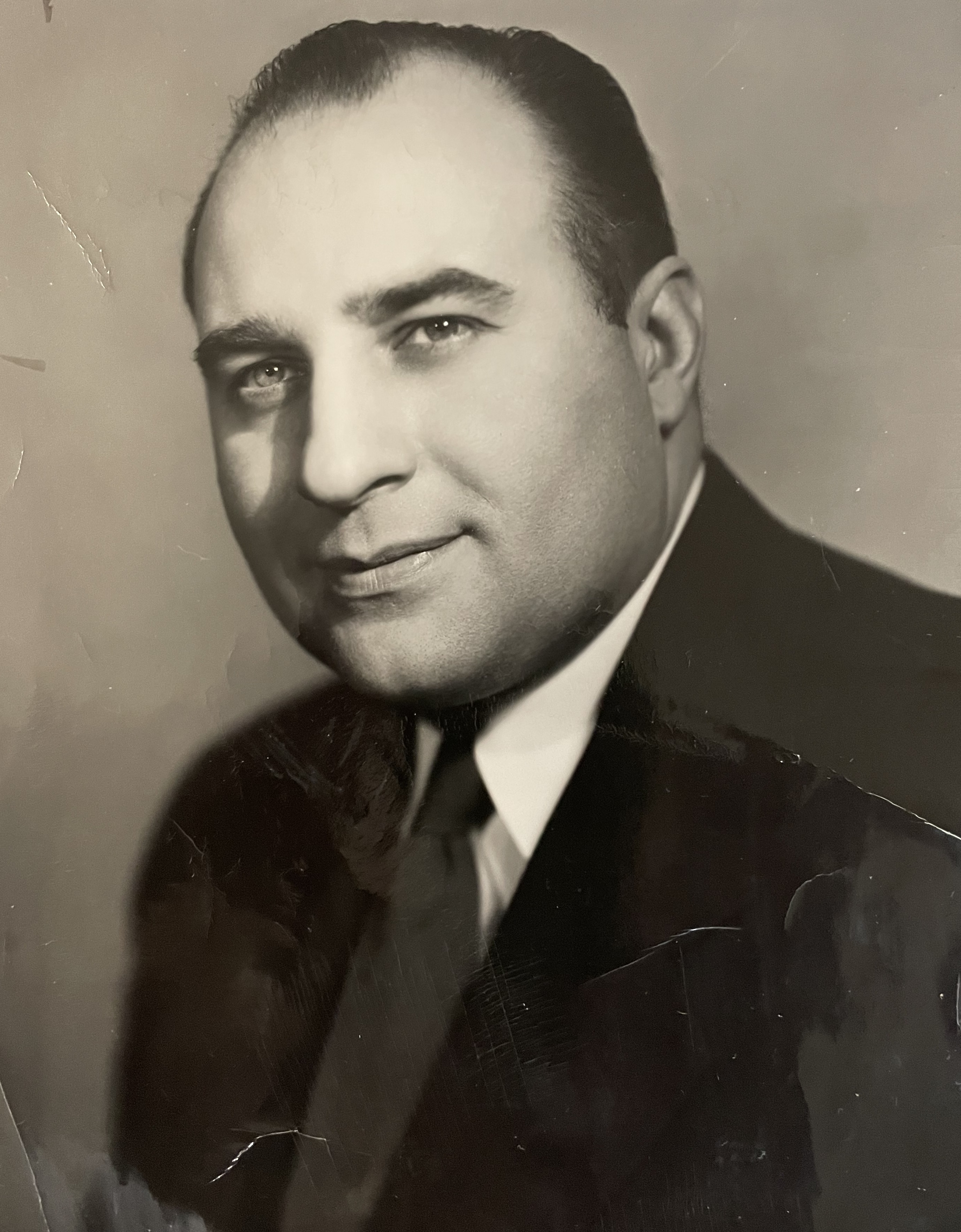
Chester Chesney
Former U.S. Representative · Illinois District 11 · 1949–1951 · Democratic
Chester Chesney represented Illinois's District 11 in the United States House of Representatives (1949–1951) for the Democratic party. The page below collects sourced biographical facts, term history, committee roles, and provenance for Chesney.
Bioguide ID: C000347
Key facts
- Full name
- Chester Chesney
- State
- Illinois
- District
- District 11
- Party
- Democratic
- House service
- 1949–1951
- First House term
- 1949
- Status
- Left office
- Current term ends
- —
- Born
- 1916
- Bioguide ID
- C000347
- Committee assignments
- —
- Dataset version
- 1.20260605
Biographical narrative
918 words · sourced from the Wikipedia REST extract
Chester Anton Chesney was a U.S. Representative from Illinois, serving in the House of Representatives during the late 1940s. A member of the Democratic Party, he represented Illinois's 11th congressional district from January 3, 1949, until January 3, 1951. His career was marked by a blend of athleticism, military service, and public service, reflecting a diverse background that informed his political endeavors.
Early life and career
Chester Chesney was born on March 9, 1916, in Chicago, Illinois, to a family of Polish descent. Growing up in a vibrant urban environment, he attended St. Hyacinth School, which provided him with foundational education before he moved on to Lane Technical High School. This institution is known for its rigorous academic programs and emphasis on technical education, which likely contributed to Chesney's later pursuits.
After completing high school, Chesney furthered his education at DePaul University in Chicago, where he graduated in 1938. His time at DePaul equipped him with knowledge and skills that would serve him well in his future career. Following his graduation, Chesney transitioned into professional athletics, playing football for the Chicago Bears in 1939 and 1940. His involvement in professional sports not only showcased his physical capabilities but also helped him build a public persona that would later aid his political career.
In June 1941, Chesney enlisted in the United States Air Force, beginning a military career that would last until 1946. He started his service as a private and rose to the rank of major by the time of his discharge. His military service included participation in both the Pacific and European theaters during World War II, experiences that likely shaped his views on national defense and veterans' affairs. After the war, he served as the assistant chief of special services for the Veterans Administration in Hines, Illinois, from 1946 to 1947. This role allowed him to engage directly with veterans, furthering his understanding of their needs and concerns.
Following his time in the military, Chesney pursued graduate studies at Northwestern University's Graduate Commerce School in 1947. This academic endeavor prepared him for a career in business, leading to his role as an executive with Montgomery Ward & Co. in 1948 and 1949. His experience in the private sector was complemented by his later position as vice-president and director of Avondale Savings & Loan Association, where he gained insights into financial management and community development.
House tenure
Chesney's political career began in earnest when he was elected as a Democrat to the Eighty-first Congress, serving from January 3, 1949, to January 3, 1951. His election came during a time of significant political change in the United States, as the country was navigating the post-war landscape and addressing the needs of returning veterans and a growing economy. As a member of Congress, Chesney represented Illinois's 11th congressional district, which included a diverse constituency with varying interests and concerns.
During his time in the House, Chesney participated in discussions and debates that shaped national policy. His background in the military and as a veteran likely influenced his legislative priorities, particularly regarding issues affecting veterans and military personnel. Although specific details of his legislative initiatives are not provided, it can be inferred that his experiences informed his approach to governance and public service.
Chesney's tenure in Congress was relatively brief, as he was not reelected in 1950 for the Eighty-second Congress. Despite this setback, he remained active in the political arena, serving as a delegate to the 1968 Democratic National Convention. This involvement indicated his continued commitment to the Democratic Party and its principles, as well as his desire to remain engaged in the political process.
Legislative focus and committees
While specific legislative accomplishments or committee assignments during Chesney's time in office are not detailed in the available information, it is reasonable to assume that his background in the military and his experience with veterans' affairs would have informed his legislative focus. Members of Congress often prioritize issues that resonate with their personal experiences and the needs of their constituents, and Chesney's military service would have likely made him an advocate for policies benefiting veterans and their families.
Additionally, his professional background in business and finance may have influenced his perspectives on economic issues, including those related to commerce, housing, and community development. As a vice-president and director of a savings and loan association, Chesney would have possessed insights into financial matters that could have been valuable in discussions about economic policy and banking regulations.
Chesney's time in Congress occurred during a period marked by significant social and political changes in the United States, including the early stages of the civil rights movement and the onset of the Cold War. While the specifics of his legislative actions are not documented, it is likely that he navigated these complex issues as a member of the House, contributing to the broader dialogue on national policy.
After leaving Congress, Chesney continued to reside in Illinois before ultimately relocating to Marco Island, Florida, where he lived until his death on September 20, 1986. His interment took place at St. Adalbert Cemetery in Niles, Illinois, marking the end of a life that spanned significant events in American history, from the Great Depression through World War II and into the post-war era.
Chester Chesney's life and career reflect a multifaceted individual who transitioned from athletics to military service and ultimately to public office. His experiences shaped his perspectives and informed his contributions to the legislative process during a transformative time in American history.
Notable legislation
Sponsored and co-sponsored legislation for Chester Chesney is pending operator curation. The biographical narrative above carries the same provenance trail until per-bill rows are written.
Sources
- [1]https://en.wikipedia.org/wiki/Chester_A._ChesneyWikipedia · retrieved 2026-06-05
Notable quotes
Sourced quotes for Chester Chesney are pending operator curation. Narrative-scope provenance remains attached below.
Sources
- [1]https://en.wikipedia.org/wiki/Chester_A._ChesneyWikipedia · retrieved 2026-06-05
Key positions
Curated policy positions for Chester Chesney are pending operator review. The biographical narrative above carries the same provenance trail until per-topic positions are written.
Sources
- [1]https://en.wikipedia.org/wiki/Chester_A._ChesneyWikipedia · retrieved 2026-06-05
Terms served
- 1949–1951U.S. House · Term 1 · Democratic
Sources & provenance
Every attributable claim above carries a per-section [N] marker that resolves to the corresponding URL below. Each entry records the upstream provider, the canonical URL, and the timestamp at which the source was retrieved by the ingest pipeline.
Key facts
- https://bioguide.congress.gov/search/bio/C000347bioguide · retrieved 2026-06-05
- https://www.govtrack.us/congress/members/402486govtrack · retrieved 2026-06-05
Biographical narrative
- https://en.wikipedia.org/wiki/Chester_A._Chesneywikipedia · retrieved 2026-06-05
Find your representative
Every U.S. state elects representatives by district. Browse Illinois’s delegation, the full former-representative roster, or explore the role and term length.
Related on The Candidate
- Preceded by Frank ReidEarlier holder of the Illinois District 11 House seat · Republican.Open
- Succeeded by Timothy SheehanLater holder of the Illinois District 11 House seat · Republican.Open
- Abner TaylorFormer U.S. Representative · Illinois District 1 · RepublicanOpen
- Adam SnyderFormer U.S. Representative · Illinois District 1 · DemocraticOpen
- Arthur MitchellFormer U.S. Representative · Illinois District 1 · DemocraticOpen
- Bennett StewartFormer U.S. Representative · Illinois District 1 · DemocraticOpen