
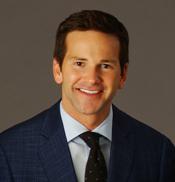
Historical · U.S. House · Illinois · District 18
Aaron Schock
Former U.S. Representative · Illinois District 18 · 2009–2015 · Republican
Aaron Schock represented Illinois's District 18 in the United States House of Representatives (2009–2015) for the Republican party. The page below collects sourced biographical facts, term history, committee roles, and provenance for Schock.
Bioguide ID: S001179
Key facts
- Full name
- Aaron Schock
- State
- Illinois
- District
- District 18
- Party
- Republican
- House service
- 2009–2015
- First House term
- 2009
- Status
- Left office
- Current term ends
- —
- Born
- 1981
- Bioguide ID
- S001179
- Committee assignments
- —
- Dataset version
- 1.20260605
Biographical narrative
923 words · sourced from the Wikipedia REST extract
Aaron Schock is a former American politician who served as the U.S. Representative for Illinois's 18th congressional district from 2009 until 2015. A member of the Republican Party, Schock previously represented the 92nd District in the Illinois House of Representatives from 2005 to 2009. His congressional tenure was marked by significant political activity, but it ultimately ended amid a scandal involving the misuse of public and campaign funds, leading to his resignation in March 2015.
Early life and career
Aaron Jon Schock was born on May 28, 1981, in Morris, Minnesota. He is the youngest of four children born to Janice Marie, a homemaker, and Richard Schock, a family practice physician and former school board member. Schock spent his early years on a rural farm, where he and his siblings were responsible for cultivating a three-acre strawberry patch, which they sold. This early experience instilled a sense of responsibility and community engagement in him.
In 1995, Schock's family relocated to Peoria, Illinois, where he became active in student governance. He was elected to the executive board of the Illinois Association of Junior High Student Councils, showcasing his early interest in leadership and public service. He attended Richwoods High School, where he faced challenges due to budget cuts that limited advanced course offerings. Despite these obstacles, he sought to maximize his educational opportunities by enrolling in classes at Illinois Central College, allowing him to earn dual credits toward both high school and college graduation. Schock graduated from high school in 2000.
Following high school, Schock pursued higher education at Bradley University, where he earned a Bachelor of Science degree in finance in 2002. His academic background laid a foundation for his future endeavors in public service and politics.
In the wake of his graduation, Schock decided to run for a position on the Peoria Board of Education, motivated by a desire to bring a youthful perspective to the board. Although he initially failed to secure a spot on the ballot due to insufficient valid signatures, he organized a successful write-in campaign that involved over 200 volunteers and reached more than 13,000 households. His efforts paid off when he won the election, defeating the incumbent with a significant majority. At just 19 years old, Schock became the youngest person to serve on a school board in Illinois. His leadership abilities were recognized when he was elected vice president of the board in July 2003 and later president in July 2004, making him the youngest school board president in the state's history at the age of 23.
House tenure
In 2004, Schock transitioned to state politics by running for a seat in the Illinois House of Representatives. He successfully defeated a four-term incumbent in the November general election, becoming the youngest member in the history of the Illinois General Assembly. After serving for a brief period on the Peoria Board of Education, he resigned to focus on his responsibilities as a state legislator.
During his time in the Illinois House, Schock was re-elected in 2006, defeating his Democratic opponent with a substantial majority. His tenure in the state legislature was marked by active participation in various committees, including those focused on appropriations, financial institutions, environment and energy, and veteran affairs. Schock sponsored numerous bills, with a notable number becoming law, addressing issues such as education, child protection, and veterans' assistance.
In 2008, Schock announced his candidacy for the U.S. House of Representatives, seeking to succeed retiring Republican congressman Ray LaHood in Illinois's 18th congressional district. He won the Republican primary decisively and went on to secure the congressional seat in the general election held later that year. His campaign was characterized by a mix of traditional Republican values and a focus on national security issues.
Schock's time in the U.S. House of Representatives saw him engage in various legislative activities and initiatives. He served on multiple committees, contributing to discussions and decisions that shaped national policy. However, his congressional career was overshadowed by controversies related to his financial practices.
Legislative focus and committees
During his time in the U.S. House, Schock was involved in a range of legislative efforts, focusing on issues pertinent to his constituents and the broader national landscape. His work included addressing economic concerns, veterans' affairs, and education reform. Schock's background in finance informed his approach to fiscal policy, and he often advocated for conservative economic principles.
Despite his active legislative role, Schock's tenure was marred by allegations of misconduct related to his use of campaign and public funds. In March 2015, he resigned from Congress amid a scandal involving the alleged misuse of taxpayer money for personal expenses, including lavish trips and events. Following his resignation, a congressional ethics investigation was initiated, leading to a federal grand jury indictment in November 2016. Schock faced serious legal challenges, but in March 2019, he reached a deferred prosecution agreement, which resulted in the dismissal of charges in exchange for restitution and a period of good behavior.
In a notable turn of events, Schock publicly came out as gay in March 2020, a revelation that drew attention given his previous voting record opposing LGBTQ rights. He expressed regret for some of his past policy decisions, indicating a significant personal transformation.
Overall, Aaron Schock's political career reflects a complex interplay of youthful ambition, legislative achievement, and subsequent controversy, culminating in a significant shift in his personal and political identity. His journey from local school board member to U.S. Representative illustrates the dynamic nature of American politics and the evolving landscape of public service.
Notable legislation
Sponsored and co-sponsored legislation for Aaron Schock is pending operator curation. The biographical narrative above carries the same provenance trail until per-bill rows are written.
Sources
- [1]https://en.wikipedia.org/wiki/Aaron_SchockWikipedia · retrieved 2026-06-05
Notable quotes
Sourced quotes for Aaron Schock are pending operator curation. Narrative-scope provenance remains attached below.
Sources
- [1]https://en.wikipedia.org/wiki/Aaron_SchockWikipedia · retrieved 2026-06-05
Key positions
Curated policy positions for Aaron Schock are pending operator review. The biographical narrative above carries the same provenance trail until per-topic positions are written.
Sources
- [1]https://en.wikipedia.org/wiki/Aaron_SchockWikipedia · retrieved 2026-06-05
Terms served
- 2009–2011U.S. House · Term 1 · Republican
- 2011–2013U.S. House · Term 2 · Republican
- 2013–2015U.S. House · Term 3 · Republican
- 2015–2015U.S. House · Term 4 · Republican
Sources & provenance
Every attributable claim above carries a per-section [N] marker that resolves to the corresponding URL below. Each entry records the upstream provider, the canonical URL, and the timestamp at which the source was retrieved by the ingest pipeline.
Key facts
- https://bioguide.congress.gov/search/bio/S001179bioguide · retrieved 2026-06-05
- http://schock.house.govhouse.gov · retrieved 2026-06-05
Biographical narrative
- https://en.wikipedia.org/wiki/Aaron_Schockwikipedia · retrieved 2026-06-05
Find your representative
Every U.S. state elects representatives by district. Browse Illinois’s delegation, the full former-representative roster, or explore the role and term length.
Related on The Candidate
- Preceded by Ray LaHoodEarlier holder of the Illinois District 18 House seat · Republican.Open
- Abner TaylorFormer U.S. Representative · Illinois District 1 · RepublicanOpen
- Adam SnyderFormer U.S. Representative · Illinois District 1 · DemocraticOpen
- Arthur MitchellFormer U.S. Representative · Illinois District 1 · DemocraticOpen
- Bennett StewartFormer U.S. Representative · Illinois District 1 · DemocraticOpen
- Republican PartyFederal candidates and office holders on the Republican line.Open