
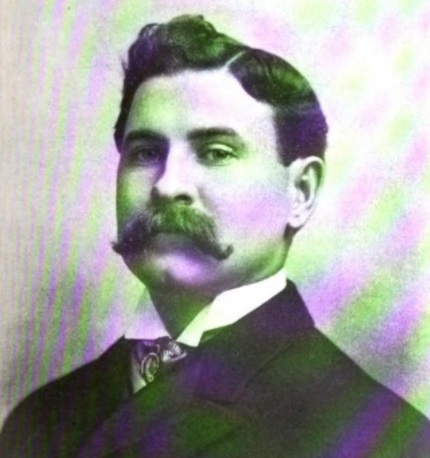
Historical · U.S. House · Illinois · District 2
John Feely
Former U.S. Representative · Illinois District 2 · 1901–1903 · Democratic
John Feely represented Illinois's District 2 in the United States House of Representatives (1901–1903) for the Democratic party. The page below collects sourced biographical facts, term history, committee roles, and provenance for Feely.
Bioguide ID: F000058
Key facts
- Full name
- John Feely
- State
- Illinois
- District
- District 2
- Party
- Democratic
- House service
- 1901–1903
- First House term
- 1901
- Status
- Left office
- Current term ends
- —
- Born
- 1875
- Bioguide ID
- F000058
- Committee assignments
- —
- Dataset version
- 1.20260606
Biographical narrative
886 words · sourced from the Wikipedia REST extract
John Feely was a U.S. Representative from Illinois who served in the early 20th century. A member of the Democratic Party, he represented Illinois's 2nd congressional district during the Fifty-seventh Congress from March 4, 1901, to March 3, 1903. Born on August 1, 1875, Feely's life was marked by his education and legal career, which preceded his brief tenure in Congress. He passed away at a young age in 1905, leaving behind a legacy as a public servant during a transformative period in American history.
Early life and career
John Joseph Feely was born on a farm near Wilmington, Illinois, a location that would shape his early experiences and values. Growing up in a rural environment, he attended local public schools, which provided him with a foundational education. His academic pursuits led him to Niagara University, where he graduated in 1895. This institution is known for its commitment to liberal arts education and Catholic values, which likely influenced Feely's worldview.
Following his undergraduate studies, Feely continued his education at Yale University, where he enrolled in the law department. He graduated in 1897, furthering his legal knowledge and preparing for a career in law. After completing his studies, he was admitted to the bar in Connecticut the same year, marking the official beginning of his legal career. In 1898, Feely relocated to Chicago, Illinois, a major urban center that offered numerous opportunities for legal practice and public service.
In Chicago, Feely engaged in the practice of law, where he honed his skills and built a professional reputation. The legal landscape of Chicago at the turn of the century was dynamic and complex, characterized by rapid industrialization and significant social change. Feely's work as an attorney would have exposed him to various legal issues and community concerns, which likely informed his later political career. His commitment to his profession and his community laid the groundwork for his eventual entry into politics.
House tenure
Feely's political career began when he was elected as a Democrat to the Fifty-seventh Congress, serving from March 4, 1901, until March 3, 1903. His election to the U.S. House of Representatives came during a time of significant political activity, as the nation was grappling with issues related to industrialization, labor rights, and social reform. As a member of the Democratic Party, Feely aligned himself with a political platform that sought to address the needs and concerns of working-class Americans.
During his time in Congress, Feely participated in the legislative process, contributing to discussions and decisions that would impact his constituents and the nation as a whole. However, specific details regarding the legislation he supported or the committees he served on during his term are not documented in the available records. His congressional career was relatively brief, as he chose not to seek renomination in 1902, concluding his time in office after just one term.
Feely's decision not to run for re-election may have been influenced by various factors, including personal considerations or a desire to return to his legal practice. After leaving Congress, he continued to work as an attorney in Chicago, where he remained active in the legal community until his untimely death.
Legislative focus and committees
While specific details regarding John Feely's legislative focus and committee assignments during his time in the House of Representatives are not extensively documented, it is important to contextualize his service within the broader political landscape of the early 1900s. The Fifty-seventh Congress was marked by various significant issues, including labor rights, economic regulation, and the role of government in addressing social issues. As a Democratic representative from Illinois, Feely would have been expected to engage with these pressing matters, advocating for policies that aligned with the interests of his constituents.
The early 20th century was a transformative period in American history, characterized by rapid industrial growth and the emergence of new social movements. Issues such as workers' rights, women's suffrage, and anti-trust legislation were at the forefront of political discourse. Representatives like Feely were tasked with navigating these complex issues, balancing the needs of their constituents with the broader national agenda.
Feely's legal background may have informed his approach to legislative matters, providing him with a unique perspective on the implications of proposed laws and policies. As a member of the Democratic Party, he likely aligned with initiatives aimed at promoting social justice and economic equity, reflecting the party's platform during this era.
Despite his short tenure in Congress, Feely's contributions to the legislative process would have been part of a larger effort to address the challenges facing American society at the time. His work as a public servant was a reflection of the values instilled in him during his upbringing and education, as well as his commitment to the legal profession.
Following his departure from Congress, Feely continued to practice law in Chicago until his death on February 15, 1905, at the age of 29. His passing was attributed to gastritis, a condition that ultimately cut short a promising career in both law and politics. Feely was interred in Mount Olivet Cemetery in Joliet, Illinois, leaving behind a legacy as a dedicated public servant who engaged with the political issues of his time. His life and career, though brief, exemplify the commitment to public service that characterized many individuals of his generation.
Notable legislation
Sponsored and co-sponsored legislation for John Feely is pending operator curation. The biographical narrative above carries the same provenance trail until per-bill rows are written.
Sources
- [1]https://en.wikipedia.org/wiki/John_J._FeelyWikipedia · retrieved 2026-06-06
Notable quotes
Sourced quotes for John Feely are pending operator curation. Narrative-scope provenance remains attached below.
Sources
- [1]https://en.wikipedia.org/wiki/John_J._FeelyWikipedia · retrieved 2026-06-06
Key positions
Curated policy positions for John Feely are pending operator review. The biographical narrative above carries the same provenance trail until per-topic positions are written.
Sources
- [1]https://en.wikipedia.org/wiki/John_J._FeelyWikipedia · retrieved 2026-06-06
Terms served
- 1901–1903U.S. House · Term 1 · Democratic
Sources & provenance
Every attributable claim above carries a per-section [N] marker that resolves to the corresponding URL below. Each entry records the upstream provider, the canonical URL, and the timestamp at which the source was retrieved by the ingest pipeline.
Key facts
- https://bioguide.congress.gov/search/bio/F000058bioguide · retrieved 2026-06-06
- https://www.govtrack.us/congress/members/404018govtrack · retrieved 2026-06-06
Biographical narrative
- https://en.wikipedia.org/wiki/John_J._Feelywikipedia · retrieved 2026-06-06
Find your representative
Every U.S. state elects representatives by district. Browse Illinois’s delegation, the full former-representative roster, or explore the role and term length.
Related on The Candidate
- Preceded by Frank LawlerEarlier holder of the Illinois District 2 House seat · Democratic.Open
- Succeeded by Morton HullLater holder of the Illinois District 2 House seat · Republican.Open
- Abner TaylorFormer U.S. Representative · Illinois District 1 · RepublicanOpen
- Adam SnyderFormer U.S. Representative · Illinois District 1 · DemocraticOpen
- Arthur MitchellFormer U.S. Representative · Illinois District 1 · DemocraticOpen
- Bennett StewartFormer U.S. Representative · Illinois District 1 · DemocraticOpen