
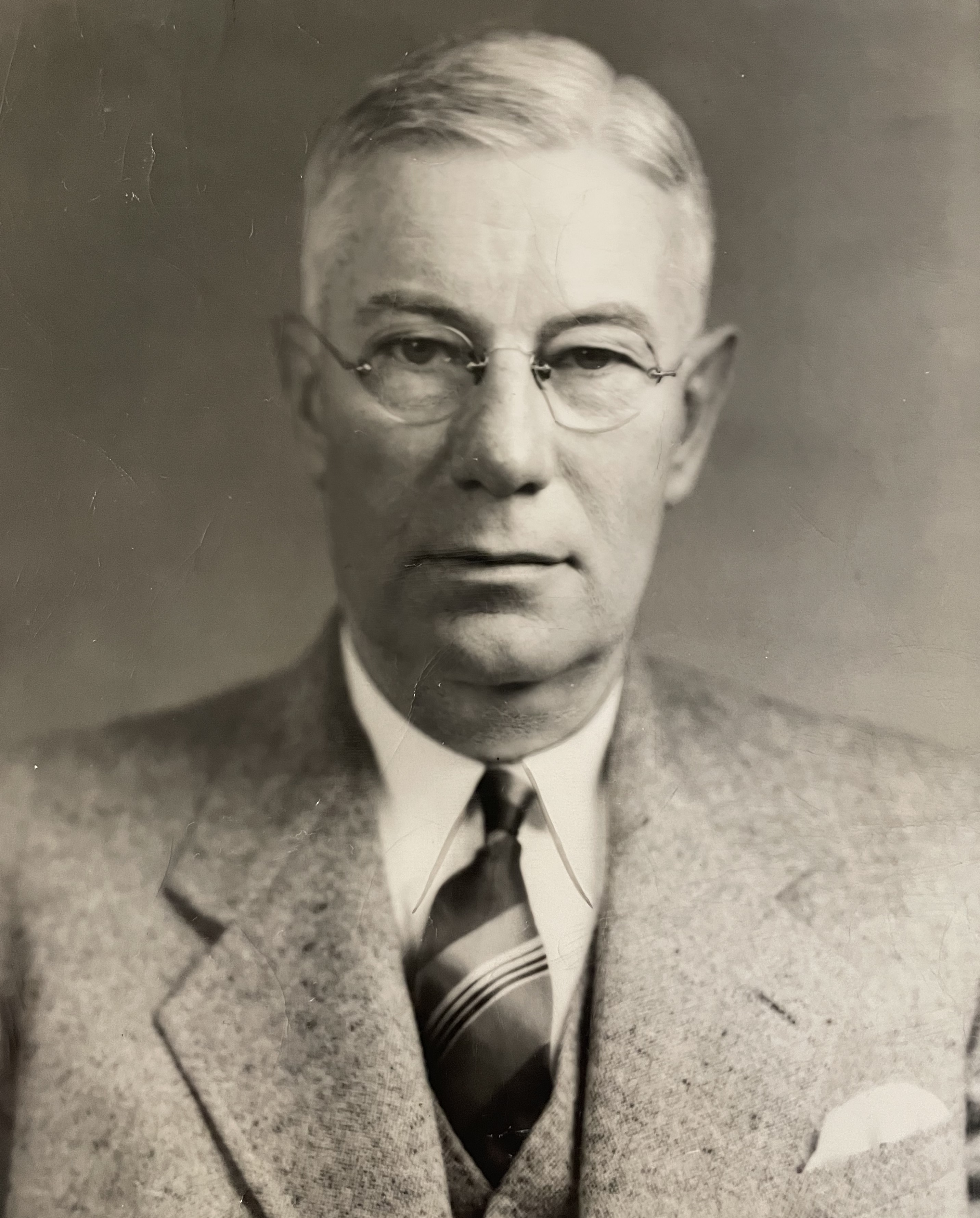
Historical · U.S. House · Illinois · District 22
Rolla McMillen
Former U.S. Representative · Illinois District 22 · 1943–1951 · Republican
Rolla McMillen represented Illinois's District 22 in the United States House of Representatives (1943–1951) for the Republican party. The page below collects sourced biographical facts, term history, committee roles, and provenance for McMillen.
Bioguide ID: M000574
Key facts
- Full name
- Rolla McMillen
- State
- Illinois
- District
- District 22
- Party
- Republican
- House service
- 1943–1951
- First House term
- 1943
- Status
- Left office
- Current term ends
- —
- Born
- 1880
- Bioguide ID
- M000574
- Committee assignments
- —
- Dataset version
- 1.20260605
Biographical narrative
880 words · sourced from the Wikipedia REST extract
Rolla McMillen was a prominent political figure in the mid-20th century, serving as a U.S. Representative for Illinois's 22nd congressional district. A member of the Republican Party, McMillen's congressional career spanned four terms, during which he contributed to various legislative efforts and represented the interests of his constituents until the conclusion of his last term in 1951. His background as a lawyer and his involvement in state politics shaped his approach to governance and public service.
Early life and career
Rolla Coral McMillen was born on October 5, 1880, near Monticello, Illinois. Growing up in a small town, he attended the local public schools, including Monticello High School, where he likely received a foundational education that would serve him well in his future endeavors. Following his high school education, McMillen pursued higher education at the University of Illinois, where he further developed his academic skills.
In 1906, McMillen graduated from the University of Michigan Law School, marking the beginning of his professional career in law. That same year, he was admitted to the bar, allowing him to practice law in Illinois. He began his legal career in Decatur, Illinois, where he joined forces with Clark A. McMillen, a lawyer with whom he shared a professional partnership in the firm of McMillen & McMillen. Despite sharing a surname, the two were not related.
In addition to his legal practice, McMillen became actively involved in politics and public service. His political career began to take shape when he served as a delegate to the Republican National Convention in 1940, a significant event that allowed him to engage with national party politics and contribute to the selection of the party's candidates. Furthermore, he was appointed to the State Housing Board, where he served from 1940 to 1944. This role likely provided him with insights into housing issues and the needs of his constituents, which would later inform his legislative priorities.
House tenure
Rolla McMillen's congressional career began when he was elected as a Republican to the Seventy-eighth Congress to fill the vacancy left by the death of William H. Wheat. His election marked the start of a significant political journey, as he took office on June 13, 1944. McMillen's tenure in the U.S. House of Representatives lasted until January 3, 1951, during which he was reelected to three additional Congresses: the Seventy-ninth, Eightieth, and Eighty-first.
Throughout his time in Congress, McMillen was involved in various legislative activities and discussions that were pertinent to his district and the nation. His experience as a lawyer likely influenced his approach to legislative matters, as he would have been familiar with legal frameworks and the intricacies of policy-making. While specific details about the legislation he supported or opposed are not provided, it can be inferred that his background in law and his service on the State Housing Board would have guided his focus on issues related to housing and community development.
In 1950, McMillen chose not to seek renomination, concluding his time in Congress after serving four terms. His decision to step away from the political arena may have been influenced by various factors, including changes in the political landscape or personal considerations. After leaving Congress, he continued to be recognized for his contributions to public service and the legal profession.
Legislative focus and committees
During his time in the House of Representatives, Rolla McMillen's legislative focus was likely informed by his background in law and his experiences on the State Housing Board. While specific committee assignments and legislative initiatives are not detailed in the available information, it is reasonable to assume that he engaged with issues relevant to his constituents in Illinois, particularly those related to housing, legal reform, and community development.
As a member of the Republican Party during a time of significant national change, McMillen would have been part of broader discussions on post-World War II policies, economic recovery, and social issues. The 1940s and early 1950s were marked by various legislative challenges and opportunities, including those related to housing shortages, veterans' benefits, and civil rights. McMillen's legal expertise may have provided him with a unique perspective on these matters, allowing him to contribute meaningfully to debates and legislative efforts.
In addition to his legislative work, McMillen's role as a representative would have involved engaging with his constituents, understanding their needs, and advocating for their interests in Washington, D.C. This connection to the community is a fundamental aspect of a congressional representative's responsibilities, and McMillen's prior experience in state politics would have equipped him with the skills necessary to navigate these relationships effectively.
After concluding his congressional career, McMillen continued to be recognized for his contributions to both the legal field and public service. He was the father of Thomas Roberts McMillen, who later served as a judge on the United States District Court for the Northern District of Illinois, indicating a legacy of public service within his family.
Rolla McMillen passed away on May 6, 1961, in Evanston, Illinois. His final resting place is in Greenwood Cemetery, located in Decatur, Illinois, where he is remembered for his service to the state and the nation. His life and career reflect the complexities of American politics during a transformative period, highlighting the roles that individuals play in shaping legislation and public policy.
Notable legislation
Sponsored and co-sponsored legislation for Rolla McMillen is pending operator curation. The biographical narrative above carries the same provenance trail until per-bill rows are written.
Sources
- [1]https://en.wikipedia.org/wiki/Rolla_C._McMillenWikipedia · retrieved 2026-06-05
Notable quotes
Sourced quotes for Rolla McMillen are pending operator curation. Narrative-scope provenance remains attached below.
Sources
- [1]https://en.wikipedia.org/wiki/Rolla_C._McMillenWikipedia · retrieved 2026-06-05
Key positions
Curated policy positions for Rolla McMillen are pending operator review. The biographical narrative above carries the same provenance trail until per-topic positions are written.
Sources
- [1]https://en.wikipedia.org/wiki/Rolla_C._McMillenWikipedia · retrieved 2026-06-05
Terms served
- 1943–1945U.S. House · Term 1 · Republican
- 1945–1947U.S. House · Term 2 · Republican
- 1947–1949U.S. House · Term 3 · Republican
- 1949–1951U.S. House · Term 4 · Republican
Sources & provenance
Every attributable claim above carries a per-section [N] marker that resolves to the corresponding URL below. Each entry records the upstream provider, the canonical URL, and the timestamp at which the source was retrieved by the ingest pipeline.
Key facts
- https://bioguide.congress.gov/search/bio/M000574bioguide · retrieved 2026-06-05
- https://www.govtrack.us/congress/members/407565govtrack · retrieved 2026-06-05
Biographical narrative
- https://en.wikipedia.org/wiki/Rolla_C._McMillenwikipedia · retrieved 2026-06-05
Find your representative
Every U.S. state elects representatives by district. Browse Illinois’s delegation, the full former-representative roster, or explore the role and term length.
Related on The Candidate
- Preceded by Edwin SchaeferEarlier holder of the Illinois District 22 House seat · Democratic.Open
- Succeeded by William SpringerLater holder of the Illinois District 22 House seat · Republican.Open
- Abner TaylorFormer U.S. Representative · Illinois District 1 · RepublicanOpen
- Adam SnyderFormer U.S. Representative · Illinois District 1 · DemocraticOpen
- Arthur MitchellFormer U.S. Representative · Illinois District 1 · DemocraticOpen
- Bennett StewartFormer U.S. Representative · Illinois District 1 · DemocraticOpen