
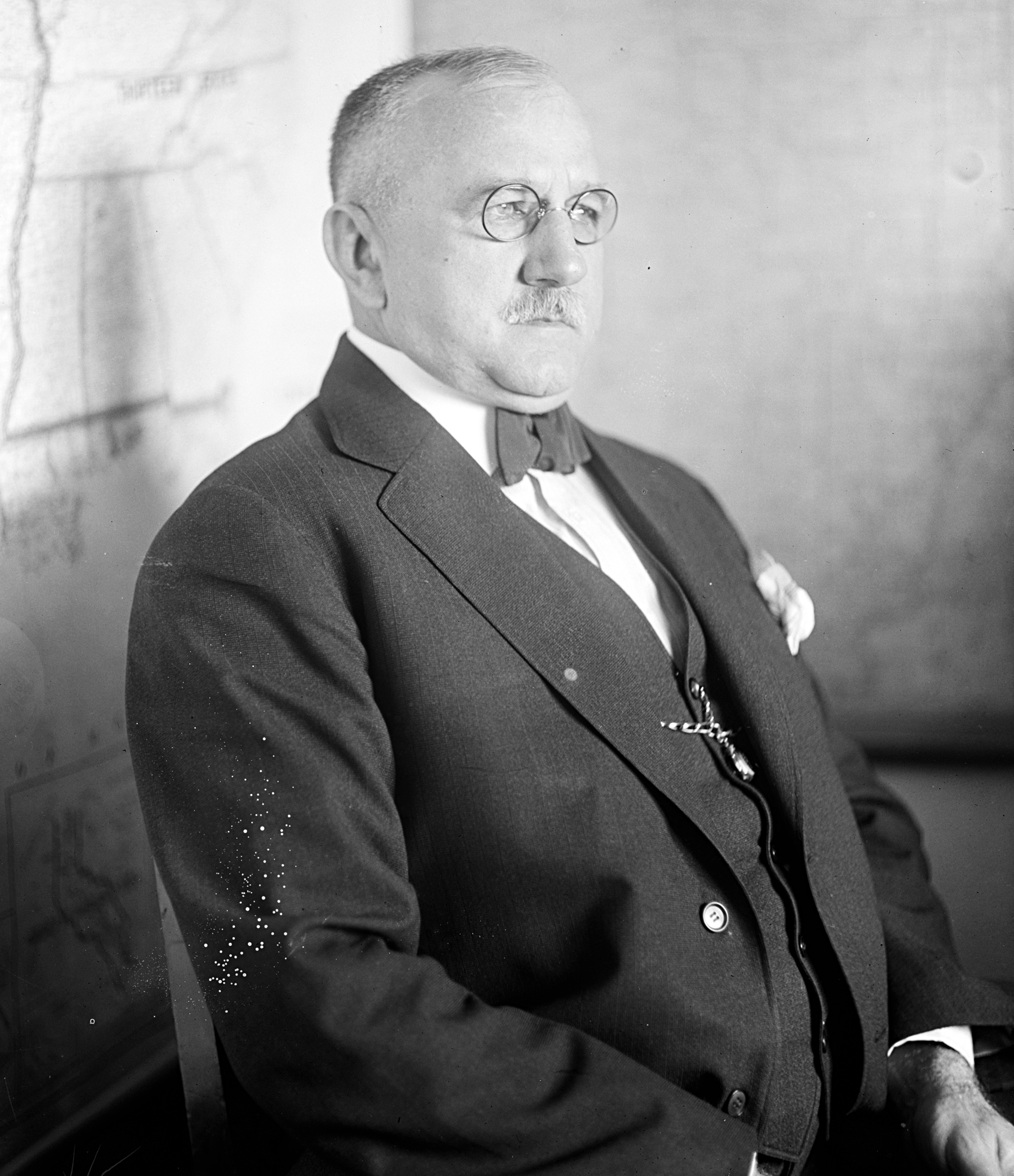
Historical · U.S. House · Illinois · District 8
Stanley Kunz
Former U.S. Representative · Illinois District 8 · 1921–1933 · Democratic
Stanley Kunz represented Illinois's District 8 in the United States House of Representatives (1921–1933) for the Democratic party. The page below collects sourced biographical facts, term history, committee roles, and provenance for Kunz.
Bioguide ID: K000342
Key facts
- Full name
- Stanley Kunz
- State
- Illinois
- District
- District 8
- Party
- Democratic
- House service
- 1921–1933
- First House term
- 1921
- Status
- Left office
- Current term ends
- —
- Born
- 1864
- Bioguide ID
- K000342
- Committee assignments
- —
- Dataset version
- 1.20260606
Biographical narrative
987 words · sourced from the Wikipedia REST extract
Stanley Henry Kunz was an American politician who served as a Democratic U.S. Representative from Illinois, representing the 8th congressional district from 1921 until 1933. His political career spanned over several decades, during which he held various local and state offices before transitioning to the federal level. Known for his involvement in Chicago politics, Kunz's legislative work and community engagement reflected the changing dynamics of the city and the nation during the early 20th century.
Early life and career
Stanley Kunz was born on September 26, 1864, in Nanticoke, Pennsylvania. His early life was marked by a significant move when his family relocated to Chicago, Illinois, a city that would become central to his political career. In Chicago, Kunz received his education through the public school system, which laid the foundation for his future endeavors. He furthered his education at St. Ignatius College, now known as Loyola University Chicago, and also attended Metropolitan Business College. These educational experiences equipped him with the skills necessary for a career in public service and business.
Kunz's entry into politics began at the local level, where he became actively involved in the Chicago City Council. His political career was characterized by a series of elected positions that showcased his commitment to public service. He served as an alderman for the 16th ward of Chicago, with non-consecutive terms that spanned from 1891 to 1921. This lengthy tenure on the City Council allowed him to develop a deep understanding of local governance and the needs of his constituents.
In addition to his role on the City Council, Kunz also made significant contributions to the Illinois General Assembly. He served in the Illinois House of Representatives from 1888 to 1890, and later in the Illinois Senate from 1902 to 1906. These experiences in state politics further solidified his reputation as a dedicated public servant and helped him build a network of political connections that would benefit him in his future congressional campaigns.
Kunz's involvement in the Democratic Party was notable, as he served on the central committee of the Cook County Democratic Party from 1891 to 1925. His participation in party politics included serving as a delegate to several Democratic National Conventions, specifically in 1912, 1916, and 1924. These roles allowed him to influence party decisions and align himself with key political figures of his time.
House tenure
Kunz's congressional career began when he was elected to the Sixty-seventh Congress, marking his first term in the U.S. House of Representatives, which commenced on March 4, 1921. He was re-elected to four subsequent Congresses, serving a total of six terms until March 3, 1933. Throughout his time in the House, Kunz represented the 8th congressional district of Illinois, which included parts of Chicago. His tenure coincided with a period of significant change in American society, including the aftermath of World War I and the onset of the Great Depression.
During his time in Congress, Kunz was involved in various legislative efforts that addressed the pressing issues of the day. His experience as a local and state politician informed his approach to federal legislation, as he sought to represent the interests of his constituents effectively. Kunz's ability to navigate the complexities of federal politics was evident in his successful re-election campaigns, which demonstrated his popularity and the trust placed in him by the voters.
In 1930, Kunz faced a challenging election cycle, resulting in an apparent defeat. However, he contested the election results of his opponent, Republican Peter C. Granata, and successfully regained his seat in the Seventy-second Congress. This victory allowed him to continue his work in the House until March 3, 1933. Despite his efforts, Kunz was unsuccessful in seeking renomination in 1932, losing to Leo Kocialkowski, who subsequently won the general election. This marked the end of Kunz's congressional career, but his contributions to the legislative process during his six terms left a lasting impact.
Legislative focus and committees
Throughout his time in the House of Representatives, Stanley Kunz focused on various legislative issues that were pertinent to his constituents and the broader national landscape. His work reflected the challenges and opportunities faced by American society during the early 20th century. While specific details of his legislative initiatives are not provided, it is understood that as a member of the Democratic Party, he likely aligned with the party's platform, which emphasized social welfare, economic reform, and support for working-class Americans.
Kunz's experience in local and state government likely influenced his legislative priorities at the federal level. His background in the Chicago City Council and the Illinois General Assembly provided him with insights into the needs of urban constituents, particularly in a rapidly growing city like Chicago. Issues such as housing, labor rights, and economic development were likely central to his agenda, as these were critical concerns for many residents during his time in office.
In addition to his legislative work, Kunz's involvement in various committees would have played a significant role in shaping his contributions to Congress. While specific committee assignments are not detailed, it is common for members of the House to serve on committees that align with their interests and expertise. These committees are essential for reviewing legislation, conducting hearings, and providing oversight on various issues.
Beyond his political career, Kunz engaged in other pursuits, including the breeding and racing of thoroughbred horses in Palatine, Illinois, from 1910 to 1933. This venture reflected his diverse interests and provided him with a connection to the agricultural and sporting communities in Illinois.
Stanley Kunz passed away on April 23, 1946, in Chicago, where he had lived for most of his life. His contributions to the city and the nation were recognized through his long-standing public service, and he was interred at St. Adalbert Cemetery in Niles, Illinois. His life and career exemplify the dedication of public servants who strive to represent their constituents and address the challenges of their times.
Notable legislation
Sponsored and co-sponsored legislation for Stanley Kunz is pending operator curation. The biographical narrative above carries the same provenance trail until per-bill rows are written.
Sources
- [1]https://en.wikipedia.org/wiki/Stanley_H._KunzWikipedia · retrieved 2026-06-06
Notable quotes
Sourced quotes for Stanley Kunz are pending operator curation. Narrative-scope provenance remains attached below.
Sources
- [1]https://en.wikipedia.org/wiki/Stanley_H._KunzWikipedia · retrieved 2026-06-06
Key positions
Curated policy positions for Stanley Kunz are pending operator review. The biographical narrative above carries the same provenance trail until per-topic positions are written.
Sources
- [1]https://en.wikipedia.org/wiki/Stanley_H._KunzWikipedia · retrieved 2026-06-06
Terms served
- 1921–1923U.S. House · Term 1 · Democratic
- 1923–1925U.S. House · Term 2 · Democratic
- 1925–1927U.S. House · Term 3 · Democratic
- 1927–1929U.S. House · Term 4 · Democratic
- 1929–1931U.S. House · Term 5 · Democratic
- 1931–1933U.S. House · Term 6 · Democratic
Sources & provenance
Every attributable claim above carries a per-section [N] marker that resolves to the corresponding URL below. Each entry records the upstream provider, the canonical URL, and the timestamp at which the source was retrieved by the ingest pipeline.
Key facts
- https://bioguide.congress.gov/search/bio/K000342bioguide · retrieved 2026-06-06
- https://www.govtrack.us/congress/members/406495govtrack · retrieved 2026-06-06
Biographical narrative
- https://en.wikipedia.org/wiki/Stanley_H._Kunzwikipedia · retrieved 2026-06-06
Find your representative
Every U.S. state elects representatives by district. Browse Illinois’s delegation, the full former-representative roster, or explore the role and term length.
Related on The Candidate
- Preceded by Thomas GallagherEarlier holder of the Illinois District 8 House seat · Democratic.Open
- Succeeded by Leo KocialkowskiLater holder of the Illinois District 8 House seat · Democratic.Open
- Abner TaylorFormer U.S. Representative · Illinois District 1 · RepublicanOpen
- Adam SnyderFormer U.S. Representative · Illinois District 1 · DemocraticOpen
- Arthur MitchellFormer U.S. Representative · Illinois District 1 · DemocraticOpen
- Bennett StewartFormer U.S. Representative · Illinois District 1 · DemocraticOpen