
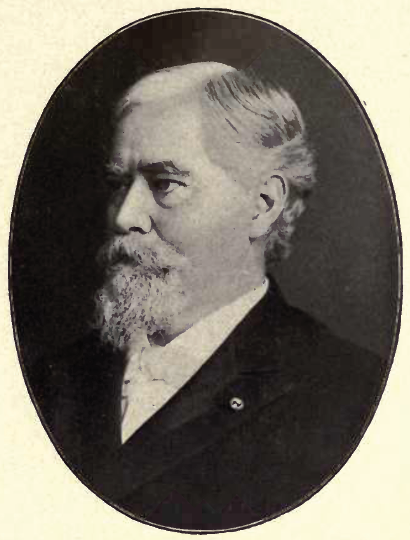
Historical · U.S. House · Illinois · At-Large
John Black
Former U.S. Representative · Illinois At-Large · 1893–1895 · Democratic
John Black represented Illinois's At-Large in the United States House of Representatives (1893–1895) for the Democratic party. The page below collects sourced biographical facts, term history, committee roles, and provenance for Black.
Bioguide ID: B000504
Key facts
- Full name
- John Black
- State
- Illinois
- District
- At-Large
- Party
- Democratic
- House service
- 1893–1895
- First House term
- 1893
- Status
- Left office
- Current term ends
- —
- Born
- 1839
- Bioguide ID
- B000504
- Committee assignments
- —
- Dataset version
- 1.20260606
Biographical narrative
951 words · sourced from the Wikipedia REST extract
John Black was a Democratic U.S. Congressman who represented Illinois in the House of Representatives from 1893 until 1895. Born on January 27, 1839, in Lexington, Mississippi, he had a distinguished career that included military service during the American Civil War, where he earned the Medal of Honor for his bravery. After his military service, Black transitioned into a legal and political career, ultimately serving as a U.S. Representative. His contributions to both military and public service reflect a commitment to his country and community.
Early life and career
John Charles Black was born in Lexington, Mississippi, in 1839. He moved with his family to Danville, Illinois, in 1847, where he spent much of his formative years. His father served as a minister in the Presbyterian Church, which likely influenced Black's values and sense of duty. Black pursued higher education at Wabash College in Crawfordsville, Indiana, where he studied law and prepared for a career in the legal profession.
Upon completing his education, Black began practicing law, establishing himself in the legal community. His legal career was interrupted by the outbreak of the American Civil War in 1861. Responding to the call for volunteers, Black enlisted in the Union Army, beginning a military career that would define much of his early adulthood. He initially joined the 11th Indiana Volunteer Infantry Regiment as a private, quickly rising through the ranks due to his leadership abilities and dedication.
During his service, Black demonstrated remarkable courage and leadership. He was promoted to sergeant major shortly after enlisting and later helped organize Company "K" of the 37th Illinois Volunteer Infantry Regiment, where he became a major. His military service included significant engagements, such as the Battle of Pea Ridge, where he was wounded. His bravery and tactical skills were further recognized when he was promoted to lieutenant colonel and took command of the 37th Illinois Infantry. His leadership during the Battle of Prairie Grove was particularly notable, as he led his regiment against a fortified Confederate position, suffering severe injuries in the process. For his actions during this battle, Black was awarded the Medal of Honor, a testament to his valor and commitment to the Union cause.
After the war, Black continued to serve in various capacities within the military. He was promoted to colonel and held temporary command of several brigades in the Department of the Gulf. His military career concluded when he resigned his commission in August 1865. In recognition of his service, he was nominated for the rank of brevet brigadier general, which was confirmed by the U.S. Senate in 1866.
House tenure
Following his military service, John Black returned to civilian life and resumed his legal career. He served as the United States District Attorney in Chicago and held the position of U.S. Commissioner of Pensions from 1885 to 1889. His experience in these roles provided him with a strong foundation in public service and governance, which he later leveraged in his political career.
In 1892, Black ran for a seat in the U.S. House of Representatives as a Democrat, successfully winning election to the Fifty-third Congress. He took office in 1893 and served until 1895. During his time in Congress, Black participated in the legislative process, contributing to discussions and decisions that shaped national policy. However, specific details regarding the legislation he supported or opposed during his tenure are not extensively documented.
Black's congressional career was relatively brief, as he served only one term. After his time in the House, he sought the Democratic Party's nomination for the special election for mayor of Chicago in 1893. Despite establishing a campaign headquarters and actively campaigning, he faced challenges in gaining traction within the party and the electorate. Ultimately, he did not secure the nomination.
Legislative focus and committees
While specific details about John Black's legislative focus during his time in the House of Representatives are limited, it can be inferred that his background as a lawyer and military officer informed his perspectives on various issues. His experience in the legal field likely influenced his views on law and order, civil rights, and veterans' affairs, particularly given his own status as a Civil War veteran.
During his congressional tenure, Black would have participated in committee work, engaging with other lawmakers to address the pressing issues of the day. However, the specific committees he served on or the legislation he championed is not detailed in the available records. His military background may have led him to advocate for policies that supported veterans and their families, reflecting a broader trend among Civil War veterans who entered politics in the post-war era.
After leaving Congress, Black continued to be active in public service and veteran affairs. He was elected as the commander-in-chief of the Grand Army of the Republic, a prominent organization for Union veterans, serving in this role from 1903 to 1904. His leadership in this organization underscored his commitment to the welfare of veterans and their contributions to American society.
In addition to his role in the Grand Army of the Republic, Black served as the president of the United States Civil Service Commission from 1904 until 1913. This position allowed him to influence the development of civil service policies and practices, further extending his impact on governance and public administration.
John Black passed away on August 17, 1915, in Chicago, Illinois. His legacy is preserved through his contributions to military service, public law, and politics. He is buried in Spring Hill Cemetery and Mausoleum in Danville, Illinois. His life reflects the journey of a dedicated public servant who transitioned from military heroism to a career in law and politics, leaving a mark on both his community and the nation.
Notable legislation
Sponsored and co-sponsored legislation for John Black is pending operator curation. The biographical narrative above carries the same provenance trail until per-bill rows are written.
Sources
- [1]https://en.wikipedia.org/wiki/John_C._BlackWikipedia · retrieved 2026-06-06
Notable quotes
Sourced quotes for John Black are pending operator curation. Narrative-scope provenance remains attached below.
Sources
- [1]https://en.wikipedia.org/wiki/John_C._BlackWikipedia · retrieved 2026-06-06
Key positions
Curated policy positions for John Black are pending operator review. The biographical narrative above carries the same provenance trail until per-topic positions are written.
Sources
- [1]https://en.wikipedia.org/wiki/John_C._BlackWikipedia · retrieved 2026-06-06
Terms served
- 1893–1895U.S. House · Term 1 · Democratic
Sources & provenance
Every attributable claim above carries a per-section [N] marker that resolves to the corresponding URL below. Each entry records the upstream provider, the canonical URL, and the timestamp at which the source was retrieved by the ingest pipeline.
Key facts
- https://bioguide.congress.gov/search/bio/B000504bioguide · retrieved 2026-06-06
- https://www.govtrack.us/congress/members/401483govtrack · retrieved 2026-06-06
Biographical narrative
- https://en.wikipedia.org/wiki/John_C._Blackwikipedia · retrieved 2026-06-06
Find your representative
Every U.S. state elects representatives by district. Browse Illinois’s delegation, the full former-representative roster, or explore the role and term length.
Related on The Candidate
- Preceded by John BeveridgeEarlier holder of the Illinois At-Large House seat · Republican.Open
- Succeeded by William WilliamsLater holder of the Illinois At-Large House seat · Democratic.Open
- Abner TaylorFormer U.S. Representative · Illinois District 1 · RepublicanOpen
- Adam SnyderFormer U.S. Representative · Illinois District 1 · DemocraticOpen
- Arthur MitchellFormer U.S. Representative · Illinois District 1 · DemocraticOpen
- Bennett StewartFormer U.S. Representative · Illinois District 1 · DemocraticOpen