
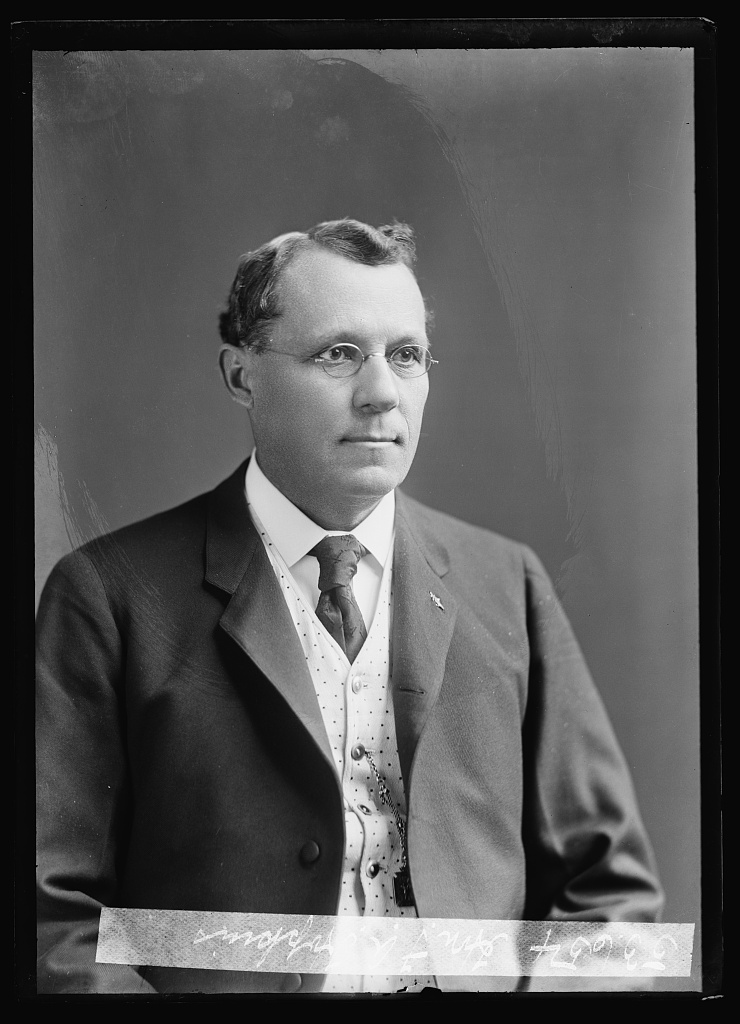
Historical · U.S. House · Kentucky · District 10
Francis Hopkins
Former U.S. Representative · Kentucky District 10 · 1903–1907 · Democratic
Francis Hopkins represented Kentucky's District 10 in the United States House of Representatives (1903–1907) for the Democratic party. The page below collects sourced biographical facts, term history, committee roles, and provenance for Hopkins.
Bioguide ID: H000773
Key facts
- Full name
- Francis Hopkins
- State
- Kentucky
- District
- District 10
- Party
- Democratic
- House service
- 1903–1907
- First House term
- 1903
- Status
- Left office
- Current term ends
- —
- Born
- 1853
- Bioguide ID
- H000773
- Committee assignments
- —
- Dataset version
- 1.20260606
Biographical narrative
851 words · sourced from the Wikipedia REST extract
Francis Hopkins was an American lawyer and politician who served as a U.S. Representative for Kentucky's 10th congressional district from 1903 to 1907. A member of the Democratic Party, he was involved in various aspects of public service, including education and law, before and after his congressional tenure. His political career was marked by his participation in significant legislative processes and his engagement with local governance in Kentucky. Following his time in Congress, he returned to his legal practice and agricultural interests until his death in 1918.
Early life and career
Francis Alexander Hopkins was born on May 27, 1853, in Jeffersonville, Virginia. Growing up in a period of significant social and political change in the United States, he received his early education in public schools, which laid the foundation for his future pursuits. He attended Tazewell High School, where he likely developed an interest in law and governance. After completing his education, Hopkins began studying law, a field that would become central to his career.
In November 1874, he was admitted to the bar, allowing him to commence his legal practice in Prestonsburg, Kentucky. This small town in the eastern part of the state would become his home and the center of his professional activities. In addition to his legal career, Hopkins engaged in agricultural pursuits, reflecting a common practice among many individuals of his time who balanced multiple professions. His involvement in agriculture may have provided him with a deeper understanding of the economic challenges facing rural communities in Kentucky.
Hopkins's commitment to public service was evident early in his career. He served as the commissioner of common schools from 1882 to 1884, a role that likely involved overseeing educational policies and initiatives in his community. His dedication to education continued when he was elected as a delegate to the State constitutional convention in 1890. In this capacity, he represented the counties of Floyd, Knott, and Letcher, contributing to the development of the Kentucky Constitution. This experience not only solidified his political credentials but also connected him with other influential figures in the state.
House tenure
Francis Hopkins's political career advanced significantly when he was elected as a Democrat to the Fifty-eighth Congress, which commenced on March 4, 1903. He was subsequently re-elected to the Fifty-ninth Congress, serving until March 3, 1907. During his time in the House of Representatives, Hopkins participated in the legislative process during a period characterized by various national and regional issues, including economic development, labor rights, and social reforms.
His congressional tenure coincided with a time of transformation in the United States, as the nation grappled with the effects of industrialization and urbanization. As a representative from Kentucky, Hopkins was likely involved in discussions and debates that addressed the needs and concerns of his constituents, particularly those related to agriculture and rural development. However, his time in Congress was not without challenges. In 1906, he sought re-election for the Sixtieth Congress but was unsuccessful in his bid to continue serving in the House.
Despite the setback in his congressional career, Hopkins remained active in the Democratic Party and was a delegate to the Democratic National Convention in 1916. This involvement demonstrated his ongoing commitment to political engagement and his desire to influence the direction of the party at a national level.
Legislative focus and committees
While specific details about the legislation that Francis Hopkins supported during his time in Congress are not extensively documented, it is reasonable to infer that his background as a lawyer and his experiences in education and agriculture informed his legislative priorities. Representatives from rural districts often focus on issues pertinent to their constituents, such as agricultural policy, education funding, and infrastructure development. Given his previous roles in education and law, it is likely that Hopkins advocated for policies that would benefit the educational system and support the agricultural economy in Kentucky.
His participation in the House of Representatives would have required him to engage with various committees, although the specific committees on which he served are not detailed in the available records. Typically, members of Congress are assigned to committees that align with their expertise and the interests of their constituents. For a representative from Kentucky, committees related to agriculture, education, or local governance would have been particularly relevant.
After completing his congressional service, Hopkins returned to Prestonsburg, where he resumed his legal practice and continued his involvement in agriculture. This transition back to local life allowed him to maintain a connection with the community he had represented in Congress. His legal career likely continued to influence local governance and community development initiatives in the region.
Francis Hopkins passed away on June 5, 1918, in Prestonsburg, Kentucky. His contributions to public service, both as a lawyer and a politician, left a mark on his community and the state of Kentucky. He was interred in Davidson Cemetery, where he rests alongside other notable figures from the area. His life reflects the complexities of early 20th-century American politics, particularly in the context of rural representation and the evolving role of government in addressing the needs of its citizens.
Notable legislation
Sponsored and co-sponsored legislation for Francis Hopkins is pending operator curation. The biographical narrative above carries the same provenance trail until per-bill rows are written.
Sources
- [1]https://en.wikipedia.org/wiki/Francis_A._HopkinsWikipedia · retrieved 2026-06-06
Notable quotes
Sourced quotes for Francis Hopkins are pending operator curation. Narrative-scope provenance remains attached below.
Sources
- [1]https://en.wikipedia.org/wiki/Francis_A._HopkinsWikipedia · retrieved 2026-06-06
Key positions
Curated policy positions for Francis Hopkins are pending operator review. The biographical narrative above carries the same provenance trail until per-topic positions are written.
Sources
- [1]https://en.wikipedia.org/wiki/Francis_A._HopkinsWikipedia · retrieved 2026-06-06
Terms served
- 1903–1905U.S. House · Term 1 · Democratic
- 1905–1907U.S. House · Term 2 · Democratic
Sources & provenance
Every attributable claim above carries a per-section [N] marker that resolves to the corresponding URL below. Each entry records the upstream provider, the canonical URL, and the timestamp at which the source was retrieved by the ingest pipeline.
Key facts
- https://bioguide.congress.gov/search/bio/H000773bioguide · retrieved 2026-06-06
- https://www.govtrack.us/congress/members/405623govtrack · retrieved 2026-06-06
Biographical narrative
- https://en.wikipedia.org/wiki/Francis_A._Hopkinswikipedia · retrieved 2026-06-06
Find your representative
Every U.S. state elects representatives by district. Browse Kentucky’s delegation, the full former-representative roster, or explore the role and term length.
Related on The Candidate
- Preceded by James WhiteEarlier holder of the Kentucky District 10 House seat · Democratic.Open
- Succeeded by Andrew KirkLater holder of the Kentucky District 10 House seat · Republican.Open
- Andrew BooneFormer U.S. Representative · Kentucky District 1 · DemocraticOpen
- Carroll Hubbard Jr.Former U.S. Representative · Kentucky District 1 · DemocraticOpen
- Charles WheelerFormer U.S. Representative · Kentucky District 1 · DemocraticOpen
- Chittenden LyonFormer U.S. Representative · Kentucky District 1 · JacksonOpen