
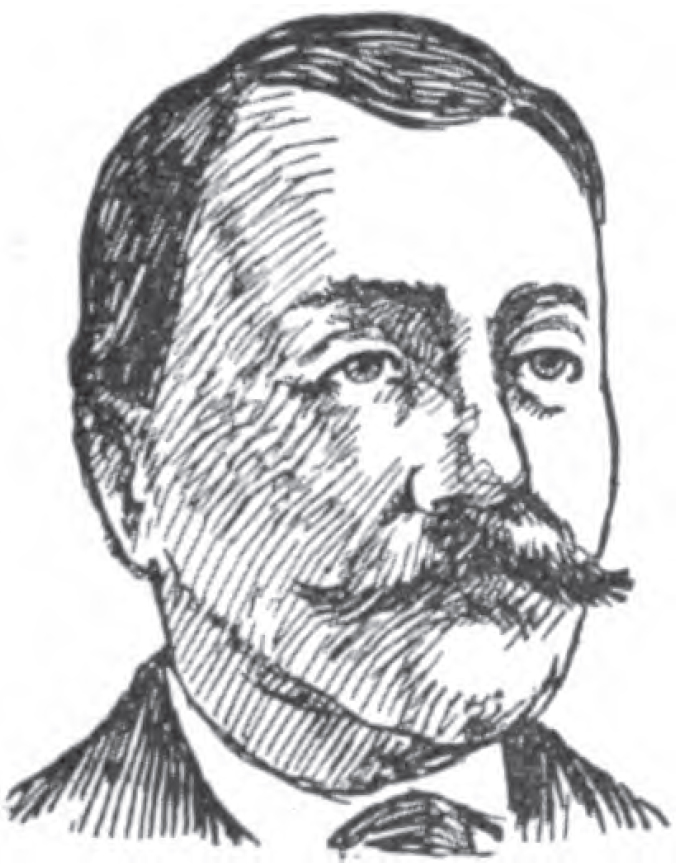
Historical · U.S. House · Kentucky · District 10
James White
Former U.S. Representative · Kentucky District 10 · 1901–1903 · Democratic
James White represented Kentucky's District 10 in the United States House of Representatives (1901–1903) for the Democratic party. The page below collects sourced biographical facts, term history, committee roles, and provenance for White.
Bioguide ID: W000379
Key facts
- Full name
- James White
- State
- Kentucky
- District
- District 10
- Party
- Democratic
- House service
- 1901–1903
- First House term
- 1901
- Status
- Left office
- Current term ends
- —
- Born
- 1842
- Bioguide ID
- W000379
- Committee assignments
- —
- Dataset version
- 1.20260606
Biographical narrative
951 words · sourced from the Wikipedia REST extract
James Bamford White was an American educator, lawyer, and politician who served as a U.S. Representative from Kentucky's 10th congressional district from 1901 to 1903. A member of the Democratic Party, White's political career was preceded by a diverse background that included military service during the Civil War, a commitment to education, and a legal career. His life spanned significant periods in American history, and his contributions reflect the complexities of his time.
Early life and career
James Bamford White was born on June 6, 1842, near Winchester, Kentucky. Growing up in a rural environment, he received his early education through common schools, which were the primary educational institutions of the time. His educational journey continued at the Mount Zion Academy located in Macon County, Illinois, where he likely received a more structured and formal education that would serve him well in his future endeavors.
In the fall of 1863, during the tumultuous years of the American Civil War, White enlisted in the Confederate States Army. He served under the commands of notable generals such as John C. Breckinridge and John Hunt Morgan. His military service was marked by the challenges and hardships faced by soldiers during this period, and he remained in the army until the conclusion of the war, at which point he was honorably discharged. This experience not only shaped his character but also influenced his perspectives on leadership and governance.
Following his military service, White returned to Kentucky, where he began a career in education. He took on the role of a teacher in Irvine, Kentucky, contributing to the education of local youth. While teaching, he pursued legal studies, reflecting his ambition and desire for professional advancement. His dedication to education and self-improvement culminated in his admission to the bar in 1867, allowing him to commence his legal practice in Irvine.
White's legal career began to take shape as he established himself in the local community. His legal expertise was recognized when he was appointed as the prosecuting attorney for Estill County, a role he held from 1872 to 1880. This position not only provided him with valuable experience in the legal system but also helped him build a reputation as a capable and respected figure in his community. His work in this capacity likely laid the groundwork for his later political aspirations.
House tenure
James White's political career took a significant turn when he was elected to the United States House of Representatives as a Democrat. He served in the Fifty-seventh Congress, with his term commencing on March 4, 1901, and concluding on March 3, 1903. During this time, he represented Kentucky's 10th congressional district, a role that placed him at the heart of national legislative processes.
As a member of Congress, White participated in the legislative activities of the House, contributing to discussions and decisions that shaped the direction of the country during the early 20th century. His tenure occurred during a period of significant change in the United States, marked by industrialization, urbanization, and various social movements. While specific details regarding his legislative initiatives or committee assignments during his time in office are not provided, it is understood that representatives often engage in a range of issues pertinent to their constituents and the nation as a whole.
White's time in Congress was relatively brief, as he served only one term. After completing his service in the House, he returned to his legal practice in Irvine, Kentucky. His decision to step away from the political arena did not diminish his commitment to his community or his profession. Instead, he continued to work as a lawyer until his retirement in 1919, demonstrating a long-standing dedication to his career and the people he served.
Legislative focus and committees
While specific details about James White's legislative focus and committee assignments during his time in Congress are not extensively documented, it is important to contextualize his role within the broader framework of the House of Representatives during the early 1900s. This period was characterized by various pressing issues, including economic reform, labor rights, and the expansion of civil rights. As a representative from Kentucky, White would have been expected to address the concerns and interests of his constituents, which could have included agricultural issues, local infrastructure needs, and social policies relevant to the region.
The early 20th century was also a time of significant political realignment and reform movements, including the Progressive Era, which sought to address the challenges posed by industrialization and urbanization. White's background as an educator and lawyer may have influenced his perspectives on these issues, as he would have been attuned to the needs of both the educational system and the legal framework within which his constituents operated.
Although his legislative record is not detailed in the available information, it is common for members of Congress to participate in various committees that align with their interests and the needs of their districts. These committees play a crucial role in shaping legislation and overseeing government functions. White's involvement in such committees, had he been appointed, would have provided him with a platform to advocate for policies that benefited his constituents and addressed the challenges of his time.
After concluding his congressional service, White returned to his legal practice, where he continued to engage with the community until his retirement in 1919. His long career in law and education reflects a commitment to public service that extended beyond his time in office. James Bamford White passed away on March 25, 1931, in Irvine, Kentucky, where he was later interred in Oakdale Cemetery. His life and career illustrate the multifaceted roles that individuals can play in their communities, encompassing military service, education, law, and politics.
Notable legislation
Sponsored and co-sponsored legislation for James White is pending operator curation. The biographical narrative above carries the same provenance trail until per-bill rows are written.
Sources
- [1]https://en.wikipedia.org/wiki/James_Bamford_WhiteWikipedia · retrieved 2026-06-06
Notable quotes
Sourced quotes for James White are pending operator curation. Narrative-scope provenance remains attached below.
Sources
- [1]https://en.wikipedia.org/wiki/James_Bamford_WhiteWikipedia · retrieved 2026-06-06
Key positions
Curated policy positions for James White are pending operator review. The biographical narrative above carries the same provenance trail until per-topic positions are written.
Sources
- [1]https://en.wikipedia.org/wiki/James_Bamford_WhiteWikipedia · retrieved 2026-06-06
Terms served
- 1901–1903U.S. House · Term 1 · Democratic
Sources & provenance
Every attributable claim above carries a per-section [N] marker that resolves to the corresponding URL below. Each entry records the upstream provider, the canonical URL, and the timestamp at which the source was retrieved by the ingest pipeline.
Key facts
- https://bioguide.congress.gov/search/bio/W000379bioguide · retrieved 2026-06-06
- https://www.govtrack.us/congress/members/411540govtrack · retrieved 2026-06-06
Biographical narrative
- https://en.wikipedia.org/wiki/James_Bamford_Whitewikipedia · retrieved 2026-06-06
Find your representative
Every U.S. state elects representatives by district. Browse Kentucky’s delegation, the full former-representative roster, or explore the role and term length.
Related on The Candidate
- Preceded by Thomas FitzpatrickEarlier holder of the Kentucky District 10 House seat · Democratic.Open
- Succeeded by Francis HopkinsLater holder of the Kentucky District 10 House seat · Democratic.Open
- Andrew BooneFormer U.S. Representative · Kentucky District 1 · DemocraticOpen
- Carroll Hubbard Jr.Former U.S. Representative · Kentucky District 1 · DemocraticOpen
- Charles WheelerFormer U.S. Representative · Kentucky District 1 · DemocraticOpen
- Chittenden LyonFormer U.S. Representative · Kentucky District 1 · JacksonOpen