
Historical · U.S. House · Kentucky · District 10
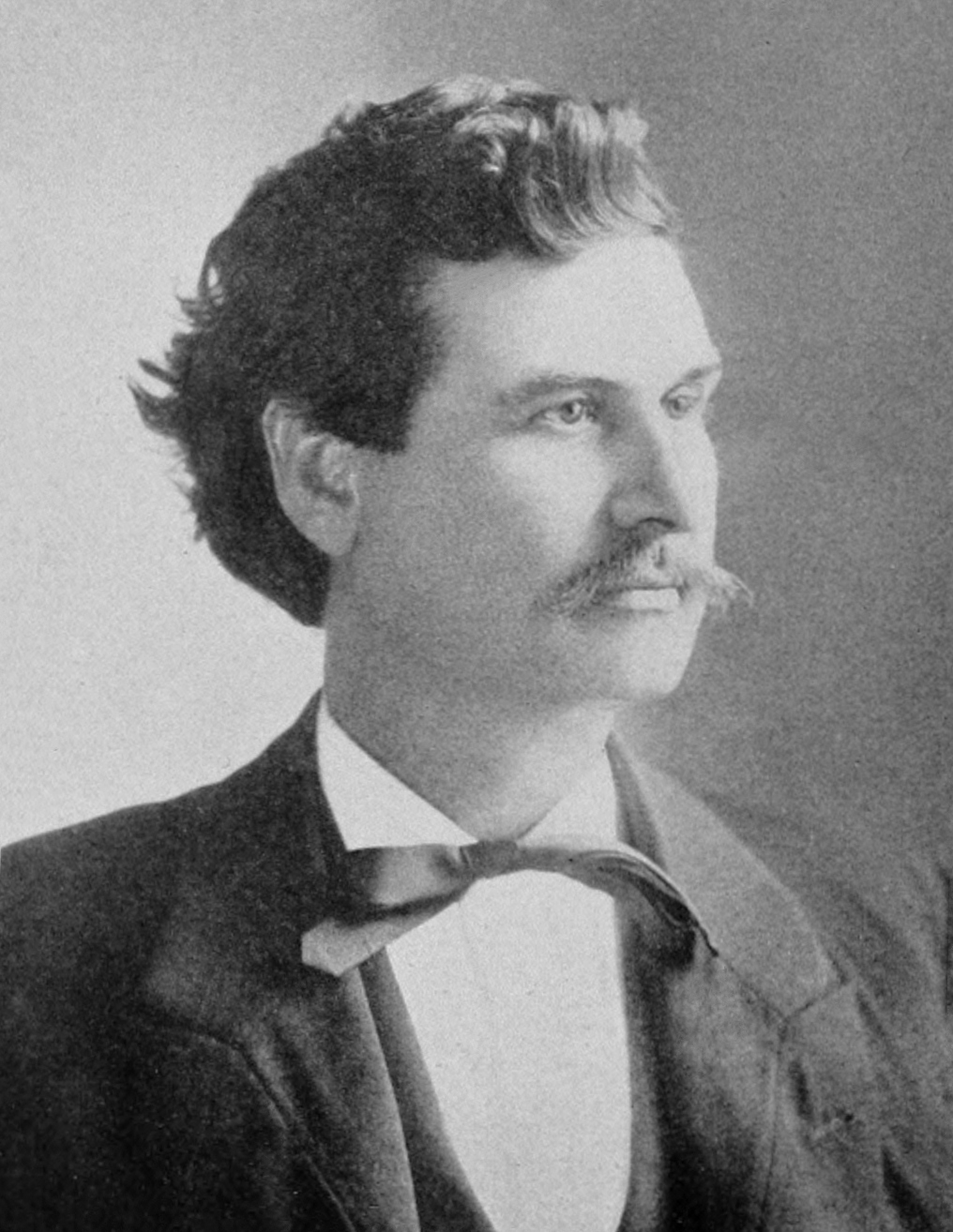
Thomas Fitzpatrick
Former U.S. Representative · Kentucky District 10 · 1897–1901 · Democratic
Thomas Fitzpatrick represented Kentucky's District 10 in the United States House of Representatives (1897–1901) for the Democratic party. The page below collects sourced biographical facts, term history, committee roles, and provenance for Fitzpatrick.
Bioguide ID: F000177
Key facts
- Full name
- Thomas Fitzpatrick
- State
- Kentucky
- District
- District 10
- Party
- Democratic
- House service
- 1897–1901
- First House term
- 1897
- Status
- Left office
- Current term ends
- —
- Born
- 1850
- Bioguide ID
- F000177
- Committee assignments
- —
- Dataset version
- 1.20260606
Biographical narrative
895 words · sourced from the Wikipedia REST extract
Thomas Fitzpatrick was an American lawyer and politician who served as a U.S. Representative for Kentucky's 10th congressional district from 1897 to 1901. A member of the Democratic Party, Fitzpatrick's political career spanned various roles at the local and state levels before he entered Congress. His tenure in the House of Representatives was marked by the political dynamics of the late 19th century, a period characterized by significant social and economic changes in the United States.
Early life and career
Thomas Fitzpatrick was born on September 20, 1850, near Prestonsburg, Kentucky. His early education took place in local common schools, which provided him with a foundational understanding of various subjects. Following his schooling, Fitzpatrick pursued a career in law, a field that would later serve as a cornerstone of his professional life. He studied law diligently and was admitted to the bar in 1877, marking the beginning of his legal practice.
Fitzpatrick's initial foray into public service began at the local level. He served as a county judge in 1874 and 1875, a role that allowed him to gain experience in the judicial system and understand the intricacies of local governance. His commitment to public service continued as he was elected to the Kentucky House of Representatives in 1876 and 1877, where he represented his constituents and contributed to legislative discussions. Additionally, he held the position of county attorney from 1880 to 1884, further solidifying his legal expertise and involvement in local governance.
Through these roles, Fitzpatrick developed a reputation as a dedicated public servant, and his legal background provided him with the skills necessary to navigate the complexities of political life. His early experiences in law and local government laid the groundwork for his later political ambitions, ultimately leading him to seek a seat in the U.S. Congress.
House tenure
Fitzpatrick's congressional career began when he was elected as a Democrat to the Fifty-fifth Congress, which convened on March 4, 1897. He successfully secured re-election to the Fifty-sixth Congress, serving until March 3, 1901. During his time in the House of Representatives, Fitzpatrick represented Kentucky's 10th congressional district, a position that allowed him to advocate for the interests of his constituents at the national level.
As a member of Congress, Fitzpatrick participated in the legislative processes of the time, which were marked by various issues including economic policy, social reform, and the expansion of infrastructure. While specific details regarding his legislative initiatives or the bills he supported are not provided, it can be inferred that his work in Congress would have involved addressing the concerns of his district and aligning with the broader Democratic Party agenda of the era.
Fitzpatrick's tenure coincided with a period of significant transformation in the United States. The late 19th century was characterized by rapid industrialization, urbanization, and a growing population, all of which presented both opportunities and challenges for lawmakers. As a representative from Kentucky, Fitzpatrick would have been involved in discussions surrounding these changes, particularly as they related to the agricultural and economic interests of his constituents.
After serving two terms, Fitzpatrick's congressional career came to an end on March 3, 1901. His departure from the House marked the conclusion of a significant chapter in his political life, but it did not signify the end of his involvement in public service or the legal profession.
Legislative focus and committees
While specific details about Fitzpatrick's legislative focus and committee assignments during his time in Congress are not documented, it is important to understand the context in which he operated. The late 19th century was a time of considerable political activity, with Congress addressing a range of pressing issues that affected the nation. These included economic policies related to tariffs, labor rights, and the regulation of industries, as well as social issues such as education and civil rights.
As a member of the Democratic Party, Fitzpatrick would have aligned with the party's platform, which often emphasized agrarian interests, support for workers, and opposition to monopolistic practices. Given Kentucky's agricultural economy, it is likely that Fitzpatrick's legislative efforts were influenced by the needs and concerns of farmers and rural communities in his district.
Additionally, the political landscape of the time was marked by intense partisanship, with Democrats and Republicans often at odds over key issues. Fitzpatrick's role in this environment would have required him to navigate these divisions while advocating for his constituents' interests. His legal background may have provided him with a unique perspective on the implications of legislation and the importance of legal frameworks in shaping policy.
Fitzpatrick's service in the House of Representatives contributed to the ongoing dialogue about the role of government in addressing the needs of its citizens. His experiences in local and state government, combined with his legal expertise, positioned him to engage with the complex issues of his time. While his specific contributions to legislation may not be detailed, his presence in Congress during this transformative period reflects the broader trends in American politics and governance.
Following the conclusion of his congressional service, Fitzpatrick continued to be involved in public life. He passed away on January 21, 1906, in Frankfort, Kentucky, where he was later interred in Frankfort Cemetery. His life and career exemplify the journey of a local leader who ascended to national prominence, navigating the challenges and responsibilities of public service during a pivotal era in American history.
Notable legislation
Sponsored and co-sponsored legislation for Thomas Fitzpatrick is pending operator curation. The biographical narrative above carries the same provenance trail until per-bill rows are written.
Sources
- [1]https://en.wikipedia.org/wiki/Thomas_Y._FitzpatrickWikipedia · retrieved 2026-06-06
Notable quotes
Sourced quotes for Thomas Fitzpatrick are pending operator curation. Narrative-scope provenance remains attached below.
Sources
- [1]https://en.wikipedia.org/wiki/Thomas_Y._FitzpatrickWikipedia · retrieved 2026-06-06
Key positions
Curated policy positions for Thomas Fitzpatrick are pending operator review. The biographical narrative above carries the same provenance trail until per-topic positions are written.
Sources
- [1]https://en.wikipedia.org/wiki/Thomas_Y._FitzpatrickWikipedia · retrieved 2026-06-06
Terms served
- 1897–1899U.S. House · Term 1 · Democratic
- 1899–1901U.S. House · Term 2 · Democratic
Sources & provenance
Every attributable claim above carries a per-section [N] marker that resolves to the corresponding URL below. Each entry records the upstream provider, the canonical URL, and the timestamp at which the source was retrieved by the ingest pipeline.
Key facts
- https://bioguide.congress.gov/search/bio/F000177bioguide · retrieved 2026-06-06
- https://www.govtrack.us/congress/members/404132govtrack · retrieved 2026-06-06
Biographical narrative
- https://en.wikipedia.org/wiki/Thomas_Y._Fitzpatrickwikipedia · retrieved 2026-06-06
Find your representative
Every U.S. state elects representatives by district. Browse Kentucky’s delegation, the full former-representative roster, or explore the role and term length.
Related on The Candidate
- Preceded by Joseph KendallEarlier holder of the Kentucky District 10 House seat · Democratic.Open
- Succeeded by James WhiteLater holder of the Kentucky District 10 House seat · Democratic.Open
- Andrew BooneFormer U.S. Representative · Kentucky District 1 · DemocraticOpen
- Carroll Hubbard Jr.Former U.S. Representative · Kentucky District 1 · DemocraticOpen
- Charles WheelerFormer U.S. Representative · Kentucky District 1 · DemocraticOpen
- Chittenden LyonFormer U.S. Representative · Kentucky District 1 · JacksonOpen