
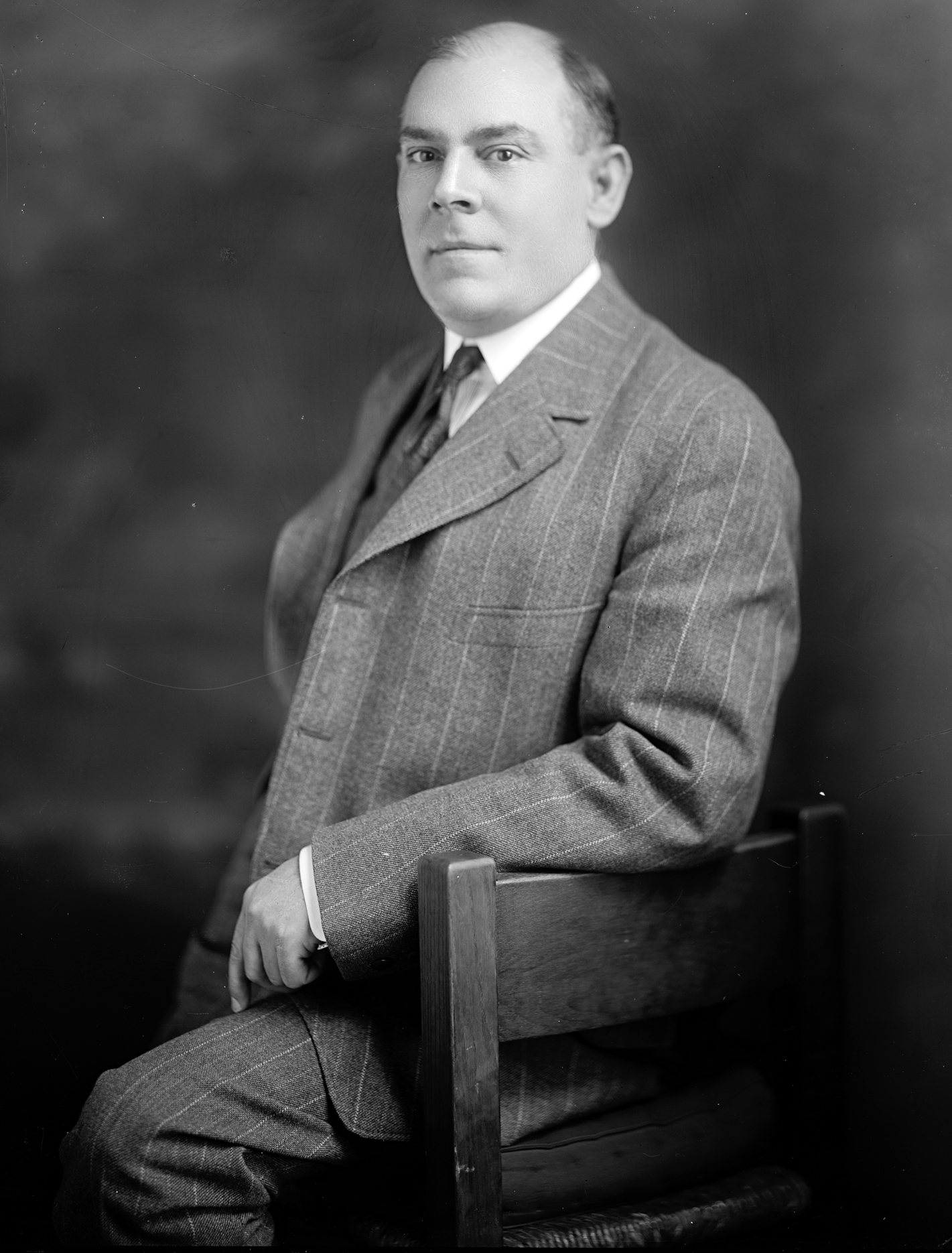
Historical · U.S. House · Louisiana · District 6
Lewis Morgan
Former U.S. Representative · Louisiana District 6 · 1911–1917 · Democratic
Lewis Morgan represented Louisiana's District 6 in the United States House of Representatives (1911–1917) for the Democratic party. The page below collects sourced biographical facts, term history, committee roles, and provenance for Morgan.
Bioguide ID: M000955
Key facts
- Full name
- Lewis Morgan
- State
- Louisiana
- District
- District 6
- Party
- Democratic
- House service
- 1911–1917
- First House term
- 1911
- Status
- Left office
- Current term ends
- —
- Born
- 1876
- Bioguide ID
- M000955
- Committee assignments
- —
- Dataset version
- 1.20260606
Biographical narrative
880 words · sourced from the Wikipedia REST extract
Lewis Morgan was an American politician and lawyer who served as a U.S. Representative for Louisiana's 6th congressional district from 1912 to 1917. A member of the Democratic Party, he was involved in various legal and political roles throughout his career, including serving as a district attorney and participating in multiple Democratic National Conventions. After his tenure in Congress, he returned to the legal profession and remained active in Louisiana politics until his later years.
Early life and career
Lewis Morgan was born on March 2, 1876, in Mandeville, Louisiana, to David Bannister Morgan and Charlotte Lovering. Growing up in a family that valued education and public service, he pursued higher education at the Tulane University School of Law, where he graduated in 1899. Following his graduation, he was admitted to the bar and began his legal career in Covington, Louisiana, in 1902. His early professional life was marked by a commitment to public service, as he took on various roles that would shape his political career.
From 1908 to 1912, Morgan served as the district attorney for the 22nd judicial district of Louisiana, a position that allowed him to gain significant legal and administrative experience. His work in this role likely contributed to his understanding of the law and governance, which would later inform his legislative responsibilities. Additionally, he held positions as an attorney for the Louisiana Highway Commission and the New Orleans Dock Board, further expanding his expertise in public infrastructure and transportation issues.
Morgan's political career began in earnest when he was elected to the Louisiana House of Representatives in 1909. This role provided him with a platform to engage in state-level politics and connect with constituents. His involvement in local governance laid the groundwork for his future endeavors in national politics. He also served as president of the St. Tammany Parish school board, demonstrating his commitment to education and community development.
House tenure
Morgan's entry into the U.S. House of Representatives came after the death of Robert Charles Wickliffe, when he was elected to fill the vacancy for Louisiana's 6th congressional district. He officially took office on November 5, 1912, and served until March 3, 1917. During his time in Congress, Morgan was an active member of the Democratic Party and participated in various legislative activities that reflected the priorities of his constituents and the party.
In the House, Morgan was appointed as the chairman of the Committee on Elections, a role that placed him at the center of discussions regarding electoral processes and the integrity of elections. His leadership in this committee would have involved overseeing matters related to the conduct of elections, ensuring fair practices, and addressing any disputes that arose. Additionally, he was a member of the Committee on Natural Resources, where he likely engaged in discussions related to the management and conservation of the nation's natural resources, a topic of increasing importance during his tenure.
Despite his contributions and active participation in congressional affairs, Morgan was not nominated for re-election after his term ended in 1917. His departure from Congress marked the conclusion of his formal legislative career, but his involvement in politics did not end there. In 1944, he made an unsuccessful bid for the governorship of Louisiana, indicating his continued interest in public service and governance.
Legislative focus and committees
Throughout his congressional tenure, Morgan's legislative focus was shaped by his background in law and his experiences in local government. His role as chairman of the Committee on Elections underscored his commitment to upholding democratic principles and ensuring the integrity of the electoral process. This position would have involved overseeing legislation related to voting rights, election procedures, and the administration of elections, all of which were critical issues during the early 20th century.
As a member of the Committee on Natural Resources, Morgan engaged with issues concerning the management and preservation of the nation's natural assets. This committee played a vital role in addressing the challenges of resource allocation, environmental conservation, and the sustainable use of land and water. Morgan's involvement in this committee reflected a growing awareness of the need for responsible stewardship of natural resources, a topic that continues to resonate in contemporary legislative discussions.
Morgan's political affiliations aligned him with prominent figures in Louisiana politics, including Governor Huey Long and James H. Morrison. These connections likely influenced his legislative priorities and the policies he supported during his time in office. His participation as a delegate in multiple Democratic National Conventions further illustrates his active engagement in the broader political landscape, allowing him to contribute to the direction of the Democratic Party at both the state and national levels.
After his congressional service, Morgan returned to practicing law in Covington and New Orleans, where he continued to be involved in legal and civic matters. His legacy includes not only his contributions to the legal field but also his role in shaping the political landscape of Louisiana during a transformative period in American history. Morgan passed away on June 10, 1950, at the age of 74, leaving behind a record of public service that reflects his dedication to the community and the principles of democracy. He was laid to rest at Covington Cemetery, marking the end of a life dedicated to law, politics, and public service.
Notable legislation
Sponsored and co-sponsored legislation for Lewis Morgan is pending operator curation. The biographical narrative above carries the same provenance trail until per-bill rows are written.
Sources
- [1]https://en.wikipedia.org/wiki/Lewis_L._MorganWikipedia · retrieved 2026-06-06
Notable quotes
Sourced quotes for Lewis Morgan are pending operator curation. Narrative-scope provenance remains attached below.
Sources
- [1]https://en.wikipedia.org/wiki/Lewis_L._MorganWikipedia · retrieved 2026-06-06
Key positions
Curated policy positions for Lewis Morgan are pending operator review. The biographical narrative above carries the same provenance trail until per-topic positions are written.
Sources
- [1]https://en.wikipedia.org/wiki/Lewis_L._MorganWikipedia · retrieved 2026-06-06
Terms served
- 1911–1913U.S. House · Term 1 · Democratic
- 1913–1915U.S. House · Term 2 · Democratic
- 1915–1917U.S. House · Term 3 · Democratic
Sources & provenance
Every attributable claim above carries a per-section [N] marker that resolves to the corresponding URL below. Each entry records the upstream provider, the canonical URL, and the timestamp at which the source was retrieved by the ingest pipeline.
Key facts
- https://bioguide.congress.gov/search/bio/M000955bioguide · retrieved 2026-06-06
- https://www.govtrack.us/congress/members/407923govtrack · retrieved 2026-06-06
Biographical narrative
- https://en.wikipedia.org/wiki/Lewis_L._Morganwikipedia · retrieved 2026-06-06
Find your representative
Every U.S. state elects representatives by district. Browse Louisiana’s delegation, the full former-representative roster, or explore the role and term length.
Related on The Candidate
- Preceded by Samuel RobertsonEarlier holder of the Louisiana District 6 House seat · Democratic.Open
- Succeeded by Jared SandersLater holder of the Louisiana District 6 House seat · Democratic.Open
- Adolph MeyerFormer U.S. Representative · Louisiana District 1 · DemocraticOpen
- Albert EstopinalFormer U.S. Representative · Louisiana District 1 · DemocraticOpen
- Benjamin FlandersFormer U.S. Representative · Louisiana District 1 · UnionistOpen
- Bobby JindalFormer U.S. Representative · Louisiana District 1 · RepublicanOpen