
Historical · U.S. House · Massachusetts · District 10
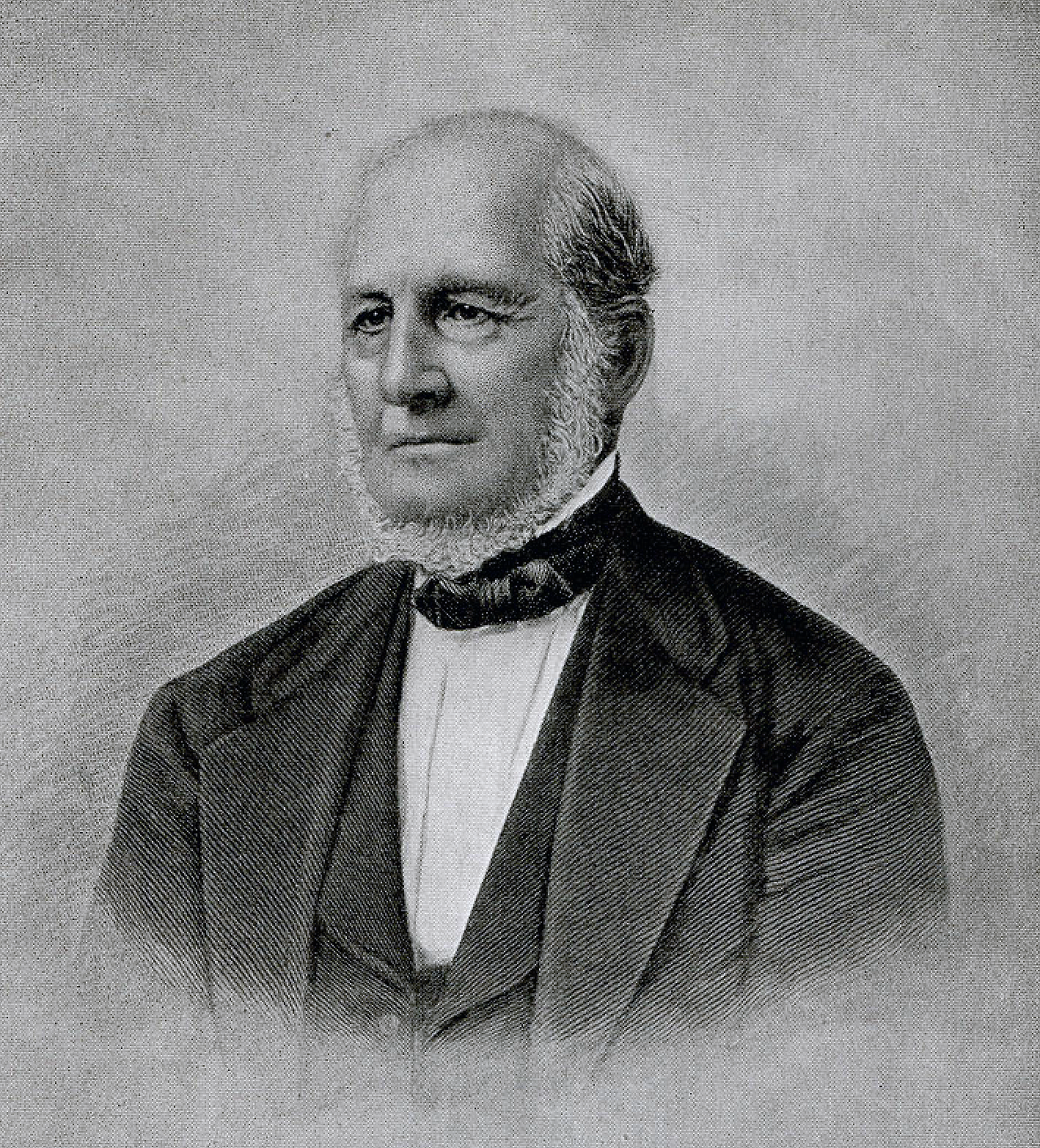
Alvah Crocker
Former U.S. Representative · Massachusetts District 10 · 1871–1875 · Republican
Alvah Crocker represented Massachusetts's District 10 in the United States House of Representatives (1871–1875) for the Republican party. The page below collects sourced biographical facts, term history, committee roles, and provenance for Crocker.
Bioguide ID: C000916
Key facts
- Full name
- Alvah Crocker
- State
- Massachusetts
- District
- District 10
- Party
- Republican
- House service
- 1871–1875
- First House term
- 1871
- Status
- Left office
- Current term ends
- —
- Born
- 1801
- Bioguide ID
- C000916
- Committee assignments
- —
- Dataset version
- 1.20260606
Biographical narrative
904 words · sourced from the Wikipedia REST extract
Alvah Crocker was an American manufacturer, railroad promoter, and politician who served as a U.S. Representative from Massachusetts. A member of the Republican Party, Crocker held office in the U.S. House of Representatives from 1871 until his death in 1874. He was known for his contributions to the paper manufacturing industry and his significant involvement in railroad development, particularly in Massachusetts. His work in these fields earned him recognition as a key figure in the advancement of transportation infrastructure during the 19th century.
Early life and career
Alvah Crocker was born on October 14, 1801, in Leominster, Massachusetts. He received his early education in the local public schools and attended Groton Academy, which laid the groundwork for his future endeavors. In 1820, at the age of 19, he began his career in the manufacturing sector by working in a paper mill located in Franklin, New Hampshire. This initial experience in the industry sparked his interest in paper manufacturing.
By 1823, Crocker had secured the necessary funding to establish his own paper mill in Fitchburg, Massachusetts. This venture proved to be highly successful, and his paper mills eventually became the largest in the United States. In addition to producing paper, Crocker expanded his operations to include extensive machine shops and foundries in the vicinity of his mills. His innovative approach to manufacturing included the pioneering use of cotton waste in the production of white paper and the incorporation of palm leaf fiber in wallpaper, which set new standards in the industry.
Crocker's influence extended beyond manufacturing; he was also active in politics. He was first elected to the Massachusetts General Court in 1835, where he advocated for the establishment of steam communication with Boston. He returned to the legislature in 1842, during which time he successfully obtained a charter for a new railroad that connected northern Massachusetts to the seaboard. This railroad was completed in 1845, showcasing his commitment to improving transportation infrastructure in the region.
In addition to his legislative work, Crocker was involved in several significant railroad projects. He played a crucial role in the construction of the Vermont and Massachusetts Railroad, the Troy and Boston Railroad, and the Hoosac Tunnel. His efforts in promoting the Hoosac Tunnel project included lecturing on its importance during the late 1840s. His contributions to tunneling technology were recognized in later years, with some sources referring to him as "The Father of Modern Tunneling" due to his innovative use of geologists, explosives, and advanced boring techniques.
Crocker also served as president of the Fitchburg Railroad, further solidifying his position as a key figure in the transportation sector. During the American Civil War, he was elected to the Massachusetts State Senate for two terms, where he continued to influence state policy and infrastructure development.
House tenure
Crocker's political career in the U.S. House of Representatives began when he was elected as a Republican to fill a vacancy caused by the resignation of William B. Washburn, who had been elected Governor of Massachusetts. He officially took office on January 2, 1872, as a member of the Forty-second Congress. His tenure in the House was marked by his continued focus on issues related to transportation and infrastructure, reflecting his background in manufacturing and railroad promotion.
Crocker was reelected to the Forty-third Congress, serving until his death on December 26, 1874. His time in Congress was characterized by his commitment to advancing the interests of his constituents and advocating for policies that would benefit the economic development of Massachusetts. He participated in various legislative discussions and decisions that aimed to improve the nation's infrastructure, particularly in the realm of transportation.
Throughout his congressional career, Crocker maintained a focus on the needs of his district and the broader implications of infrastructure development for the state and the nation. His background in manufacturing and railroads provided him with a unique perspective on the importance of transportation in fostering economic growth and connectivity.
Legislative focus and committees
During his time in the U.S. House of Representatives, Alvah Crocker was involved in various legislative initiatives that reflected his interests and expertise in manufacturing and transportation. While specific details about the bills he sponsored or the committees he served on are not extensively documented, it is clear that his background as a manufacturer and railroad promoter informed his legislative priorities.
Crocker's experience in the paper manufacturing industry and his extensive involvement in railroad development positioned him as a knowledgeable advocate for policies that supported economic growth through infrastructure improvements. His efforts were likely aimed at enhancing the efficiency of transportation networks, which were critical for the movement of goods and people during a time of rapid industrialization in the United States.
As a member of the Republican Party, Crocker aligned himself with the party's broader goals of promoting economic development and supporting infrastructure projects. His legislative focus would have included advocating for funding and support for transportation initiatives, as well as addressing the needs of his constituents in Massachusetts.
Crocker's contributions to the House of Representatives were cut short by his untimely death in 1874. He was interred in Laurel Hill Cemetery in Fitchburg, Massachusetts, leaving behind a legacy as a significant figure in both the manufacturing and transportation sectors of the 19th century. His work in Congress, combined with his prior achievements in manufacturing and railroad promotion, positioned him as an influential advocate for the advancement of infrastructure in the United States.
Notable legislation
Sponsored and co-sponsored legislation for Alvah Crocker is pending operator curation. The biographical narrative above carries the same provenance trail until per-bill rows are written.
Sources
- [1]https://en.wikipedia.org/wiki/Alvah_CrockerWikipedia · retrieved 2026-06-06
Notable quotes
Sourced quotes for Alvah Crocker are pending operator curation. Narrative-scope provenance remains attached below.
Sources
- [1]https://en.wikipedia.org/wiki/Alvah_CrockerWikipedia · retrieved 2026-06-06
Key positions
Curated policy positions for Alvah Crocker are pending operator review. The biographical narrative above carries the same provenance trail until per-topic positions are written.
Sources
- [1]https://en.wikipedia.org/wiki/Alvah_CrockerWikipedia · retrieved 2026-06-06
Terms served
- 1871–1873U.S. House · Term 1 · Republican
- 1873–1875U.S. House · Term 2 · Republican
Sources & provenance
Every attributable claim above carries a per-section [N] marker that resolves to the corresponding URL below. Each entry records the upstream provider, the canonical URL, and the timestamp at which the source was retrieved by the ingest pipeline.
Key facts
- https://bioguide.congress.gov/search/bio/C000916bioguide · retrieved 2026-06-06
- https://www.govtrack.us/congress/members/403028govtrack · retrieved 2026-06-06
Biographical narrative
- https://en.wikipedia.org/wiki/Alvah_Crockerwikipedia · retrieved 2026-06-06
Find your representative
Every U.S. state elects representatives by district. Browse Massachusetts’s delegation, the full former-representative roster, or explore the role and term length.
Related on The Candidate
- Preceded by Charles DelanoEarlier holder of the Massachusetts District 10 House seat · Republican.Open
- Succeeded by Julius SeelyeLater holder of the Massachusetts District 10 House seat · Independent.Open
- Abbott LawrenceFormer U.S. Representative · Massachusetts District 1 · WhigOpen
- Allen TreadwayFormer U.S. Representative · Massachusetts District 1 · RepublicanOpen
- Artemas Ward Jr.Former U.S. Representative · Massachusetts District 1 · FederalistOpen
- Ashley WrightFormer U.S. Representative · Massachusetts District 1 · RepublicanOpen