
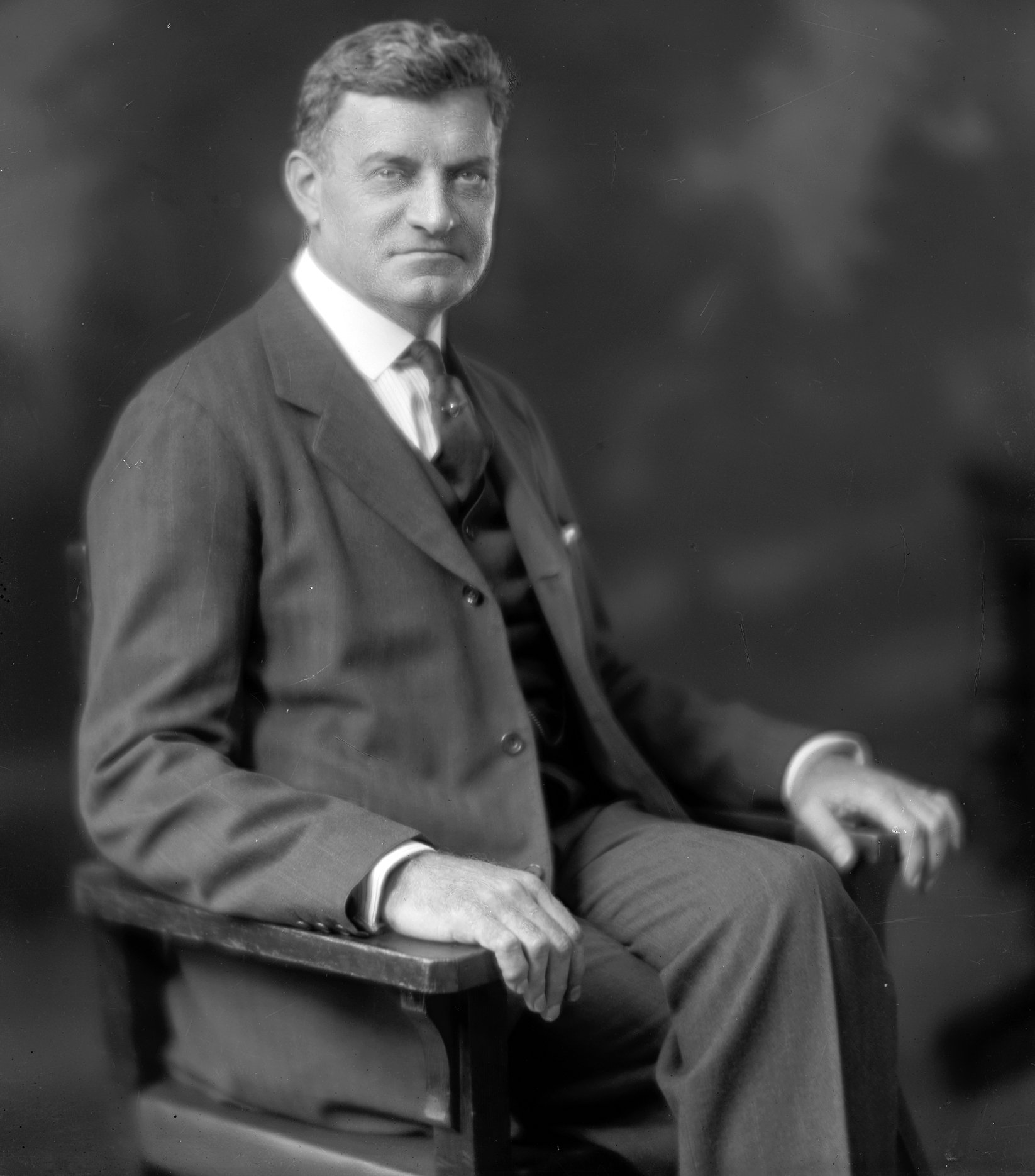
Historical · U.S. House · Massachusetts · District 14
Richard Olney
Former U.S. Representative · Massachusetts District 14 · 1915–1921 · Democratic
Richard Olney represented Massachusetts's District 14 in the United States House of Representatives (1915–1921) for the Democratic party. The page below collects sourced biographical facts, term history, committee roles, and provenance for Olney.
Bioguide ID: O000080
Key facts
- Full name
- Richard Olney
- State
- Massachusetts
- District
- District 14
- Party
- Democratic
- House service
- 1915–1921
- First House term
- 1915
- Status
- Left office
- Current term ends
- —
- Born
- 1871
- Bioguide ID
- O000080
- Committee assignments
- —
- Dataset version
- 1.20260606
Biographical narrative
884 words · sourced from the Wikipedia REST extract
Richard Olney was an American politician who served as a U.S. Representative for Massachusetts's 14th congressional district from 1915 to 1921. A member of the Democratic Party, Olney's political career spanned several years, during which he engaged in various roles at both the state and national levels. His tenure in the House of Representatives was marked by significant events in American history, including the years surrounding World War I. Following his congressional service, Olney continued to contribute to public life through various appointments and commissions until his death in 1939.
Early life and career
Richard Olney was born on January 5, 1871, in Milton, New Hampshire, specifically in Strafford County. He was raised in a family with a notable political background, being a nephew of Richard Olney, who served as U.S. Secretary of State and Attorney General, and Peter B. Olney, who was the District Attorney for New York County. This familial connection likely influenced his interest in public service and politics.
Olney received his early education in public schools before attending Leicester Academy. He later graduated from Brown University in 1892, where he likely developed a foundation for his future endeavors in both business and politics. After completing his education, Olney became a wool merchant, a profession that would have provided him with insights into the economic conditions and labor issues of the time, which would later inform his political positions.
His political career began in earnest when he was elected to the Massachusetts House of Representatives in 1902. This role allowed him to gain valuable experience in legislative processes and state governance. Additionally, he served as the chairman of the Board of Selectmen in Leicester, a position that further solidified his local political influence. In 1903, Olney ran for the office of lieutenant governor but was unsuccessful in that bid. Despite this setback, he remained active in public service, becoming a member of the Massachusetts Minimum Wage Commission, which focused on labor standards and workers' rights.
In 1912, Olney was a delegate to the Democratic National Convention, where he participated in shaping the party's platform and candidate selection. This involvement in national politics set the stage for his subsequent election to the U.S. Congress.
House tenure
Richard Olney was elected to the United States House of Representatives as a Democrat, beginning his first term on March 4, 1915. He served in the 64th, 65th, and 66th Congresses, completing his final term on March 3, 1921. During his time in Congress, Olney was part of a legislative body that faced numerous challenges and changes, particularly due to the impact of World War I on American society and governance.
Throughout his congressional tenure, Olney was involved in various legislative initiatives and discussions that were significant to his constituents and the nation. His experience as a wool merchant and his work on labor issues likely influenced his perspectives on economic policies, labor rights, and social welfare. While specific details about his legislative achievements during this period are not provided, it is understood that he contributed to the broader Democratic agenda of the time, which included addressing issues related to labor, economic reform, and social justice.
Following his service in the House, Olney continued to be engaged in public service. In 1923, he was appointed to the World War Foreign Debt Commission, a role that involved addressing the financial obligations of foreign nations in the aftermath of the war. His reappointment by President Calvin Coolidge in 1925 underscored his continued relevance and expertise in matters of international finance and diplomacy.
Legislative focus and committees
During his time in the U.S. House of Representatives, Richard Olney's legislative focus reflected the pressing issues of the early 20th century, particularly those related to labor rights, economic conditions, and social welfare. His background as a wool merchant and his involvement in the Massachusetts Minimum Wage Commission likely informed his views on the importance of fair labor practices and the need for government intervention in economic matters to protect workers.
Although specific legislative initiatives or committee assignments during his congressional tenure are not detailed in the available information, it can be inferred that Olney's experiences and interests would have aligned with the Democratic Party's priorities of the era. This included advocating for policies that supported the working class and aimed to improve economic conditions for all citizens.
In addition to his legislative work, Olney's post-congressional career included significant roles that further demonstrated his commitment to public service. He served as chairman of the Massachusetts Parole Board, where he would have been involved in overseeing the state's parole system and working towards rehabilitation efforts for offenders. Furthermore, he held the position of chairman of the Massachusetts Commission of the Necessaries of Life from 1938 until his death, a role that likely involved addressing issues related to basic needs and economic security for the state's residents.
Richard Olney passed away on January 15, 1939, in Boston, Massachusetts. His contributions to public service, both in the state legislature and in the U.S. Congress, reflect a commitment to addressing the needs of his constituents and engaging with the significant social and economic challenges of his time. He was laid to rest at the Cherry Valley Cemetery in Leicester, Massachusetts, marking the end of a life dedicated to public service and political engagement.
Notable legislation
Sponsored and co-sponsored legislation for Richard Olney is pending operator curation. The biographical narrative above carries the same provenance trail until per-bill rows are written.
Sources
- [1]https://en.wikipedia.org/wiki/Richard_Olney_IIWikipedia · retrieved 2026-06-06
Notable quotes
Sourced quotes for Richard Olney are pending operator curation. Narrative-scope provenance remains attached below.
Sources
- [1]https://en.wikipedia.org/wiki/Richard_Olney_IIWikipedia · retrieved 2026-06-06
Key positions
Curated policy positions for Richard Olney are pending operator review. The biographical narrative above carries the same provenance trail until per-topic positions are written.
Sources
- [1]https://en.wikipedia.org/wiki/Richard_Olney_IIWikipedia · retrieved 2026-06-06
Terms served
- 1915–1917U.S. House · Term 1 · Democratic
- 1917–1919U.S. House · Term 2 · Democratic
- 1919–1921U.S. House · Term 3 · Democratic
Sources & provenance
Every attributable claim above carries a per-section [N] marker that resolves to the corresponding URL below. Each entry records the upstream provider, the canonical URL, and the timestamp at which the source was retrieved by the ingest pipeline.
Key facts
- https://bioguide.congress.gov/search/bio/O000080bioguide · retrieved 2026-06-06
- https://www.govtrack.us/congress/members/408353govtrack · retrieved 2026-06-06
Biographical narrative
- https://en.wikipedia.org/wiki/Richard_Olney_IIwikipedia · retrieved 2026-06-06
Find your representative
Every U.S. state elects representatives by district. Browse Massachusetts’s delegation, the full former-representative roster, or explore the role and term length.
Related on The Candidate
- Preceded by Edward GilmoreEarlier holder of the Massachusetts District 14 House seat · Democratic.Open
- Succeeded by Louis FrothinghamLater holder of the Massachusetts District 14 House seat · Republican.Open
- Abbott LawrenceFormer U.S. Representative · Massachusetts District 1 · WhigOpen
- Allen TreadwayFormer U.S. Representative · Massachusetts District 1 · RepublicanOpen
- Artemas Ward Jr.Former U.S. Representative · Massachusetts District 1 · FederalistOpen
- Ashley WrightFormer U.S. Representative · Massachusetts District 1 · RepublicanOpen