
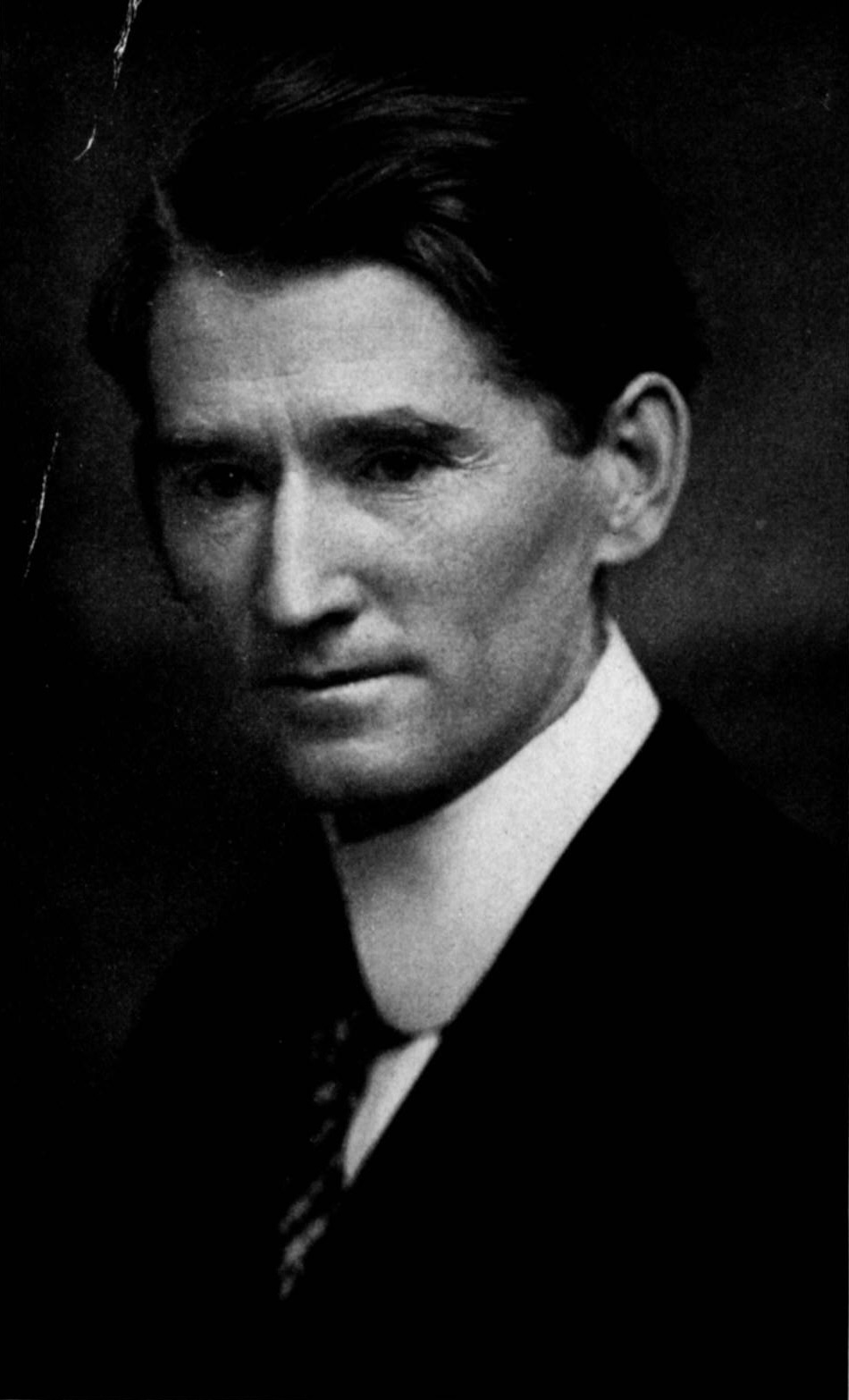
Historical · U.S. House · Minnesota · At-Large
James Manahan
Former U.S. Representative · Minnesota At-Large · 1913–1915 · Republican
James Manahan represented Minnesota's At-Large in the United States House of Representatives (1913–1915) for the Republican party. The page below collects sourced biographical facts, term history, committee roles, and provenance for Manahan.
Bioguide ID: M000093
Key facts
- Full name
- James Manahan
- State
- Minnesota
- District
- At-Large
- Party
- Republican
- House service
- 1913–1915
- First House term
- 1913
- Status
- Left office
- Current term ends
- —
- Born
- 1866
- Bioguide ID
- M000093
- Committee assignments
- —
- Dataset version
- 1.20260606
Biographical narrative
812 words · sourced from the Wikipedia REST extract
James Manahan was a U.S. Representative from Minnesota, serving in the House of Representatives as a member of the Republican Party. His congressional career was marked by a single term that began in 1913 and concluded in 1915. Born on March 12, 1866, in Fillmore County, Minnesota, Manahan's early life and subsequent professional journey reflect a commitment to education and law, which ultimately led him to a career in public service.
Early life and career
James Manahan was born to Irish immigrant parents near Chatfield, a small community in Fillmore County, Minnesota. Growing up in a family of immigrants, he was likely influenced by the values of hard work and perseverance that are often associated with such backgrounds. Manahan's educational journey began at the Normal School of Winona, Minnesota, where he graduated in 1886. This institution was known for training teachers, and Manahan took on the role of a school teacher in Graceville for two years following his graduation. His experience in education likely shaped his understanding of the importance of public service and community involvement.
After his initial teaching career, Manahan pursued higher education in law. He attended the University of Wisconsin Law School, where he began to lay the groundwork for his future legal career. In 1889, he earned his law degree from the University of Minnesota Law School and was admitted to the bar the same year. This achievement marked the beginning of his professional practice in law, which he initially established in St. Paul, Minnesota.
In 1895, Manahan relocated his law practice to Lincoln, Nebraska, where he continued to build his legal career. His time in Nebraska was significant, as it provided him with a broader perspective on regional issues and legal practices. However, in 1905, he returned to Minneapolis, Minnesota, where he resumed his law practice. This return to Minnesota would eventually lead him to a political career, as he became more involved in local and state affairs.
Manahan's legal career spanned several years, during which he developed a reputation as a competent attorney. His professional experiences and connections likely contributed to his eventual entry into politics. In 1912, he made the decision to run for public office, which culminated in his election to the U.S. House of Representatives.
House tenure
James Manahan's tenure in the U.S. House of Representatives began on March 4, 1913, when he was elected to the Sixty-third Congress. His election came during a time of significant political change in the United States, as the nation was grappling with issues related to economic reform, labor rights, and social justice. As a Republican representative from Minnesota's at-large congressional district, Manahan participated in the legislative process during a period characterized by progressive movements and reforms.
During his time in Congress, Manahan was involved in various legislative discussions and initiatives. However, specific details regarding the bills he sponsored or supported during his term are not extensively documented. His congressional service lasted until March 3, 1915, when he concluded his term. Following his time in office, Manahan chose not to seek renomination in 1914, which marked the end of his formal political career. After leaving Congress, he returned to his legal practice, indicating a preference for his professional work over continued political engagement.
Legislative focus and committees
While specific legislative achievements during James Manahan's term in Congress are not well-documented, his background in law and education likely influenced his perspectives on various issues. As a member of the Republican Party during the early 20th century, he would have been part of a political landscape that was navigating the complexities of industrialization, urbanization, and the growing demands for social reforms.
After his congressional tenure, Manahan continued to be active in legal circles and public affairs. He became involved with the Nonpartisan League, an organization that aimed to address the needs of farmers and promote agricultural interests. His role as a legal advisor to the league suggests that he maintained a commitment to advocating for the rights and interests of constituents, particularly those in rural areas.
Manahan's legal expertise and experience in public service positioned him as a knowledgeable figure in matters of law and governance. His involvement with the Nonpartisan League indicates a continued interest in political and social issues, even after his time in Congress. This engagement reflects a broader trend among former legislators who seek to influence policy and advocate for specific causes outside of formal political office.
James Manahan passed away on January 8, 1932, in St. Paul, Minnesota. His life and career encapsulate a journey from the rural Midwest to the halls of Congress, where he contributed to the legislative process during a transformative era in American history. While his congressional career was brief, his legal background and subsequent involvement in organizations like the Nonpartisan League highlight his ongoing commitment to public service and advocacy for the interests of his constituents.
Notable legislation
Sponsored and co-sponsored legislation for James Manahan is pending operator curation. The biographical narrative above carries the same provenance trail until per-bill rows are written.
Sources
- [1]https://en.wikipedia.org/wiki/James_ManahanWikipedia · retrieved 2026-06-06
Notable quotes
Sourced quotes for James Manahan are pending operator curation. Narrative-scope provenance remains attached below.
Sources
- [1]https://en.wikipedia.org/wiki/James_ManahanWikipedia · retrieved 2026-06-06
Key positions
Curated policy positions for James Manahan are pending operator review. The biographical narrative above carries the same provenance trail until per-topic positions are written.
Sources
- [1]https://en.wikipedia.org/wiki/James_ManahanWikipedia · retrieved 2026-06-06
Terms served
- 1913–1915U.S. House · Term 1 · Republican
Sources & provenance
Every attributable claim above carries a per-section [N] marker that resolves to the corresponding URL below. Each entry records the upstream provider, the canonical URL, and the timestamp at which the source was retrieved by the ingest pipeline.
Key facts
- https://bioguide.congress.gov/search/bio/M000093bioguide · retrieved 2026-06-06
- https://www.govtrack.us/congress/members/407117govtrack · retrieved 2026-06-06
Biographical narrative
- https://en.wikipedia.org/wiki/James_Manahanwikipedia · retrieved 2026-06-06
Find your representative
Every U.S. state elects representatives by district. Browse Minnesota’s delegation, the full former-representative roster, or explore the role and term length.
Related on The Candidate
- Preceded by Cyrus AldrichEarlier holder of the Minnesota At-Large House seat · Republican.Open
- Succeeded by Einar HoidaleLater holder of the Minnesota At-Large House seat · Democratic.Open
- Albert QuieFormer U.S. Representative · Minnesota District 1 · RepublicanOpen
- Allen FurlowFormer U.S. Representative · Minnesota District 1 · RepublicanOpen
- Arlen ErdahlFormer U.S. Representative · Minnesota District 1 · RepublicanOpen
- August AndresenFormer U.S. Representative · Minnesota District 1 · RepublicanOpen