
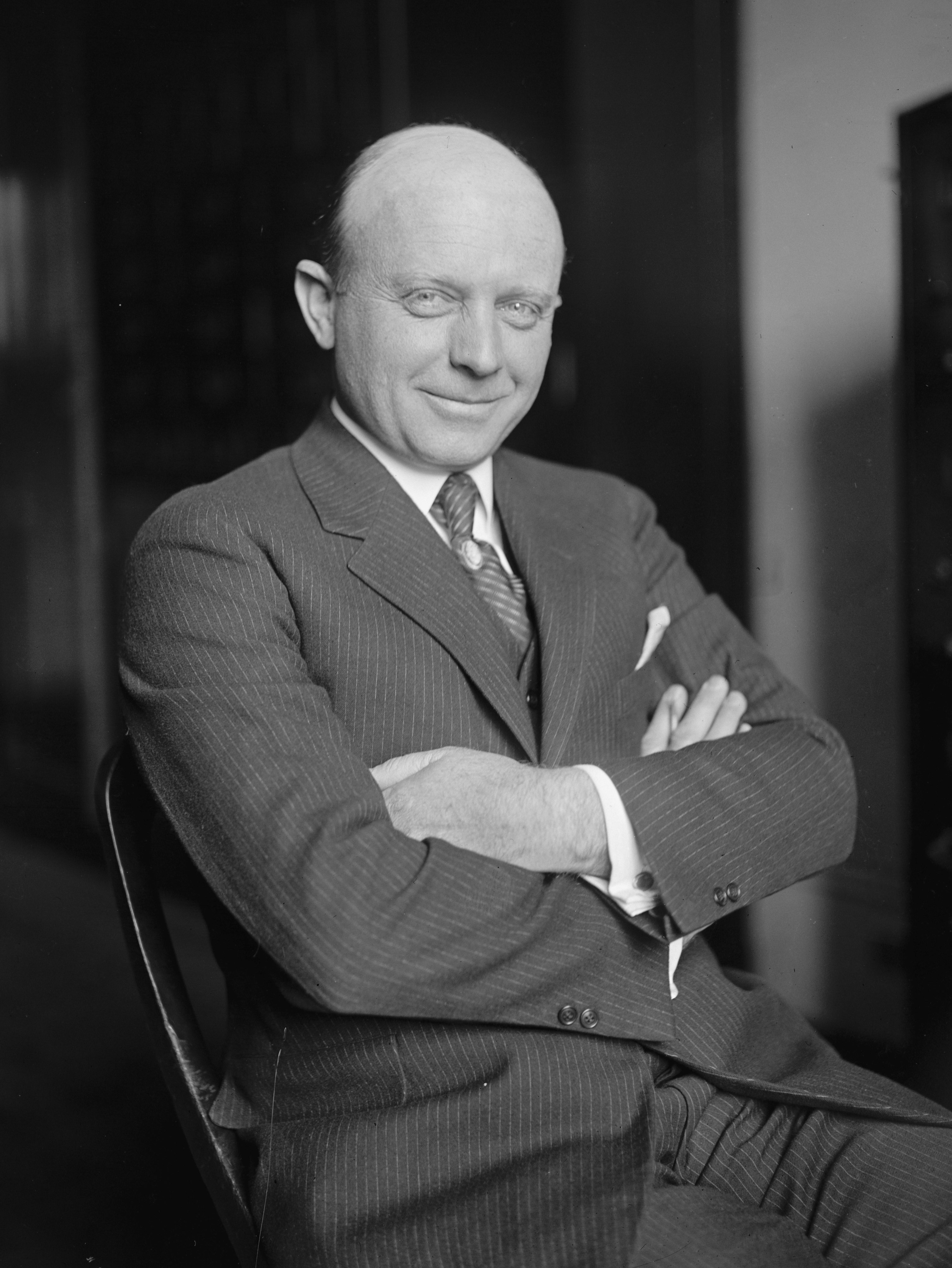
Historical · U.S. House · Missouri · District 15
Joe Manlove
Former U.S. Representative · Missouri District 15 · 1923–1933 · Republican
Joe Manlove represented Missouri's District 15 in the United States House of Representatives (1923–1933) for the Republican party. The page below collects sourced biographical facts, term history, committee roles, and provenance for Manlove.
Bioguide ID: M000098
Key facts
- Full name
- Joe Manlove
- State
- Missouri
- District
- District 15
- Party
- Republican
- House service
- 1923–1933
- First House term
- 1923
- Status
- Left office
- Current term ends
- —
- Born
- 1876
- Bioguide ID
- M000098
- Committee assignments
- —
- Dataset version
- 1.20260606
Biographical narrative
907 words · sourced from the Wikipedia REST extract
Joe Manlove was a U.S. Representative from Missouri who served in the House of Representatives during the 1920s and early 1930s. A member of the Republican Party, he represented Missouri's 15th congressional district. His political career spanned five terms in Congress, beginning in 1923 and concluding in 1933. Born in 1876, Manlove's early life and professional pursuits laid the foundation for his later political career, which included efforts in law, agriculture, and real estate.
Early life and career
Joe Manlove was born on October 1, 1876, on a farm located near Carthage, Missouri. Growing up in a rural environment, he was exposed to the agricultural lifestyle that would later influence his professional pursuits. Manlove received his early education in public schools before attending Presbyterian Academy in Mount Vernon, Missouri, where he completed his studies. His academic background provided him with a solid foundation for his future endeavors.
After graduating, Manlove pursued a career in law, which was a common path for many individuals seeking to enter public service. He studied law and was admitted to the bar in 1897, allowing him to begin his legal practice in Mount Vernon, Missouri. This legal career not only provided him with the skills necessary for his later political work but also established his reputation in the community.
In addition to his legal practice, Manlove was actively involved in agricultural pursuits. He engaged in the livestock business, which was significant in the context of Missouri's economy at the time. His involvement in agriculture and livestock not only contributed to his personal livelihood but also connected him to the interests and concerns of his constituents, particularly those in rural areas.
Manlove's early political aspirations began with his candidacy for Congress. He ran as a Republican candidate in 1914 for the Sixty-fourth Congress but was unsuccessful. He attempted to secure a seat again in 1916 for the Sixty-fifth Congress, but once more, he did not succeed. These early attempts at public office were formative experiences that likely shaped his understanding of the political landscape and the needs of his community.
House tenure
Joe Manlove's congressional career began when he was elected to the Sixty-eighth Congress, which commenced on March 4, 1923. He served five consecutive terms in the House of Representatives, with his last term concluding on March 3, 1933. During this period, he represented Missouri's 15th congressional district, a role that placed him at the center of national legislative discussions and decisions.
Throughout his tenure, Manlove was involved in various legislative initiatives and debates that reflected the political climate of the time. The 1920s were marked by significant economic changes, and Manlove's work in Congress coincided with the lead-up to the Great Depression. His experiences as a lawyer and a businessman likely informed his perspectives on economic policy and the challenges faced by his constituents.
Despite his efforts and contributions, Manlove faced challenges in maintaining his congressional seat. After serving five terms, he was unsuccessful in his bid for reelection in 1932 to the Seventy-third Congress. Additionally, he sought the Republican nomination for Congress in 1934 but did not secure the position. These electoral setbacks marked the end of his formal political career in the House of Representatives.
Following his departure from Congress, Manlove returned to his legal practice and expanded his professional activities into the real estate sector in Joplin, Missouri. This transition allowed him to remain engaged in the community and continue contributing to the local economy.
Legislative focus and committees
During his time in the House of Representatives, Joe Manlove's legislative focus reflected the interests and needs of his constituents in Missouri. As a member of the Republican Party, he aligned with the party's platform and priorities during a period characterized by significant national and economic changes. His background in law and agriculture likely influenced his approach to various issues, particularly those related to economic development and rural concerns.
While specific details regarding the committees on which Manlove served are not provided, it is common for representatives to participate in committees that align with their professional expertise and the interests of their constituents. Given his legal background, it is plausible that he may have been involved in committees related to legal affairs, agriculture, or economic policy.
Manlove's engagement in legislative matters would have required him to navigate complex political dynamics and collaborate with fellow lawmakers to advance his district's interests. His experiences as a practicing attorney and businessman would have equipped him with valuable insights into the legislative process and the importance of effective governance.
In addition to his congressional work, Manlove's civic involvement extended beyond his time in the House. In 1943, he was elected as one of the delegates to participate in a constitutional convention aimed at drafting a new constitution for the State of Missouri. This role underscored his continued commitment to public service and his desire to contribute to the governance of his state even after his congressional career had ended.
Joe Manlove passed away on January 31, 1956, in Joplin, Missouri. His contributions to his community and the state of Missouri, both as a lawyer and a public servant, left a lasting impact. He was interred in Mount Hope Cemetery, located near Joplin, Missouri, marking the end of a life dedicated to public service and community engagement. His legacy as a U.S. Representative reflects the complexities of early 20th-century American politics and the role of local leaders in shaping national policy.
Notable legislation
Sponsored and co-sponsored legislation for Joe Manlove is pending operator curation. The biographical narrative above carries the same provenance trail until per-bill rows are written.
Sources
- [1]https://en.wikipedia.org/wiki/Joe_J._ManloveWikipedia · retrieved 2026-06-06
Notable quotes
Sourced quotes for Joe Manlove are pending operator curation. Narrative-scope provenance remains attached below.
Sources
- [1]https://en.wikipedia.org/wiki/Joe_J._ManloveWikipedia · retrieved 2026-06-06
Key positions
Curated policy positions for Joe Manlove are pending operator review. The biographical narrative above carries the same provenance trail until per-topic positions are written.
Sources
- [1]https://en.wikipedia.org/wiki/Joe_J._ManloveWikipedia · retrieved 2026-06-06
Terms served
- 1923–1925U.S. House · Term 1 · Republican
- 1925–1927U.S. House · Term 2 · Republican
- 1927–1929U.S. House · Term 3 · Republican
- 1929–1931U.S. House · Term 4 · Republican
- 1931–1933U.S. House · Term 5 · Republican
Sources & provenance
Every attributable claim above carries a per-section [N] marker that resolves to the corresponding URL below. Each entry records the upstream provider, the canonical URL, and the timestamp at which the source was retrieved by the ingest pipeline.
Key facts
- https://bioguide.congress.gov/search/bio/M000098bioguide · retrieved 2026-06-06
- https://www.govtrack.us/congress/members/407122govtrack · retrieved 2026-06-06
Biographical narrative
- https://en.wikipedia.org/wiki/Joe_J._Manlovewikipedia · retrieved 2026-06-06
Find your representative
Every U.S. state elects representatives by district. Browse Missouri’s delegation, the full former-representative roster, or explore the role and term length.
Related on The Candidate
- Preceded by Isaac McPhersonEarlier holder of the Missouri District 15 House seat · Republican.Open
- Anthony IttnerFormer U.S. Representative · Missouri District 1 · RepublicanOpen
- Bill Clay Sr.Former U.S. Representative · Missouri District 1 · DemocraticOpen
- Charles ClarkFormer U.S. Representative · Missouri District 1 · RepublicanOpen
- Clare MageeFormer U.S. Representative · Missouri District 1 · DemocraticOpen
- Republican PartyFederal candidates and office holders on the Republican line.Open