
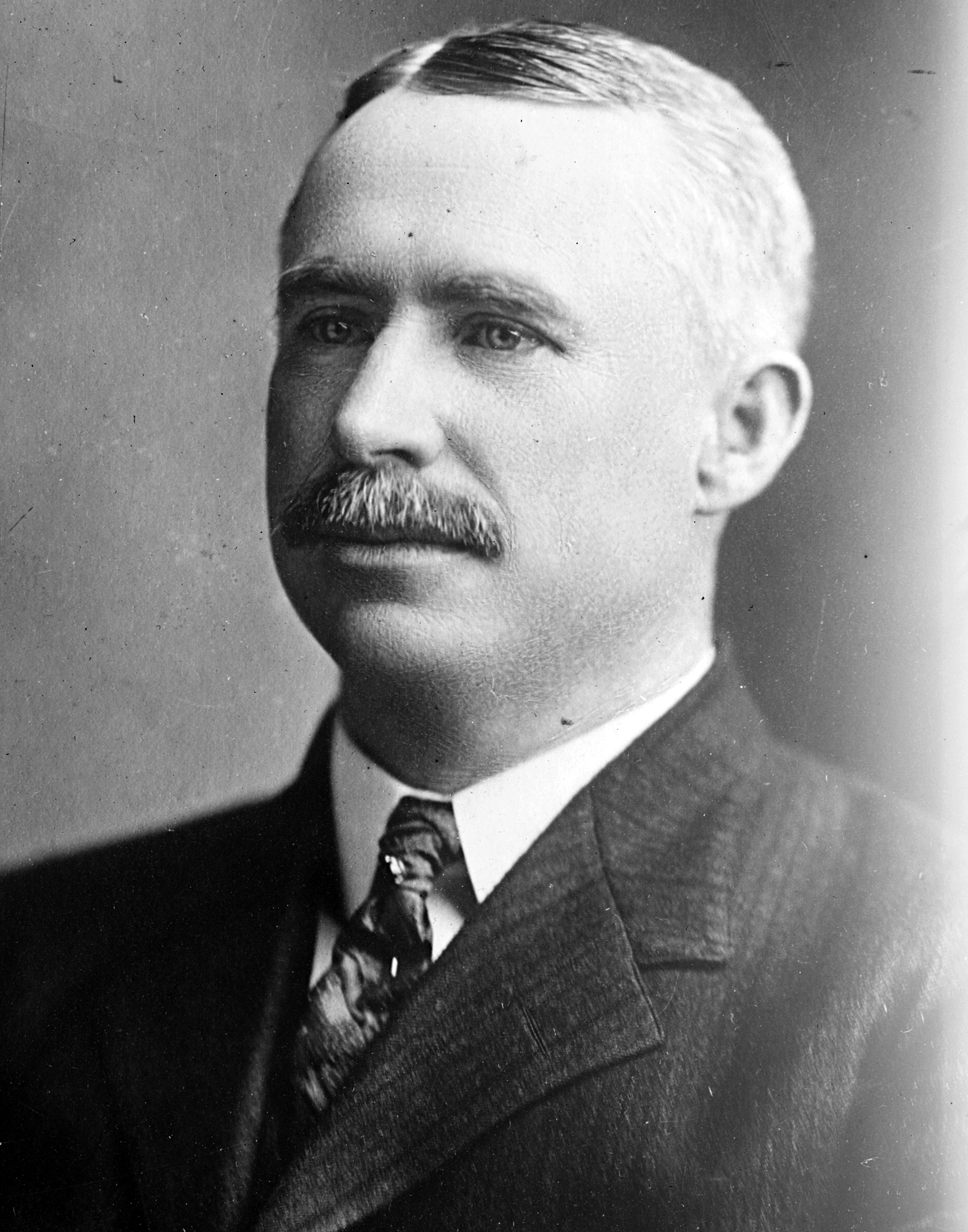
Historical · U.S. House · Missouri · District 5
William Cowherd
Former U.S. Representative · Missouri District 5 · 1897–1905 · Democratic
William Cowherd represented Missouri's District 5 in the United States House of Representatives (1897–1905) for the Democratic party. The page below collects sourced biographical facts, term history, committee roles, and provenance for Cowherd.
Bioguide ID: C000825
Key facts
- Full name
- William Cowherd
- State
- Missouri
- District
- District 5
- Party
- Democratic
- House service
- 1897–1905
- First House term
- 1897
- Status
- Left office
- Current term ends
- —
- Born
- 1860
- Bioguide ID
- C000825
- Committee assignments
- —
- Dataset version
- 1.20260606
Biographical narrative
827 words · sourced from the Wikipedia REST extract
William Cowherd was a prominent American politician and attorney who served as a U.S. Representative for Missouri's 5th congressional district from 1897 to 1905. A member of the Democratic Party, Cowherd's political career included a term as the mayor of Kansas City, Missouri, prior to his congressional service. His legal background and involvement in local government shaped his legislative priorities and contributions during his time in the House of Representatives.
Early life and career
William Strother Cowherd was born on September 1, 1860, in the vicinity of Lee's Summit, Missouri. He was the son of Emily and Charles J. Cowherd. Cowherd received his early education in local schools in Lee's Summit, where he laid the groundwork for his future academic and professional pursuits. He furthered his education at the University of Missouri, where he earned a Bachelor of Arts degree in 1881. Following this, he attended the university's law school, graduating with a Bachelor of Laws in 1882.
Upon completing his legal education, Cowherd began his professional career by joining the law firm Tichenor, Warner & Dean in 1882. The following year, he partnered with John Campbell to establish the Cowherd & Campbell law firm, which operated on Fifth Street in Kansas City. Cowherd's legal career progressed as he took on various roles, including serving as the prosecuting attorney for Jackson County, Missouri, from 1885 to 1889. His legal expertise and community involvement led him to form another law firm in 1889, known as Teasdale, Ingraham, & Cowherd, alongside William B. Teasdale and R. J. Ingraham. This firm would later be renamed Cowherd, Ingraham, Durham & Morse.
In addition to his legal practice, Cowherd held significant positions in local government. He became the first assistant city counselor for Kansas City in 1890, which provided him with valuable experience in municipal governance. His political career advanced when he was elected mayor of Kansas City in 1892, a role he held until 1894. His tenure as mayor was marked by efforts to improve the city's infrastructure and governance.
House tenure
Cowherd's congressional career began when he was elected as a Democrat to the Fifty-fifth Congress, taking office on March 4, 1897. He successfully secured re-election to the three subsequent Congresses, serving until March 3, 1905. During his time in the House of Representatives, Cowherd was involved in various legislative initiatives and contributed to discussions on issues pertinent to his constituents and the nation.
As a member of Congress, Cowherd represented the interests of Missouri's 5th congressional district, which included a diverse population and a range of economic activities. His background in law and local governance likely informed his approach to legislative matters, as he sought to address the needs and concerns of his constituents. Cowherd's tenure coincided with a period of significant change in American politics and society, including the Progressive Era, which emphasized reforms in government and social justice.
Despite his efforts and contributions, Cowherd faced challenges in maintaining his congressional seat. After completing his fourth term, he was not re-elected in 1904. Following his departure from Congress, he sought to continue his political career by running for the governorship of Missouri in 1908; however, this attempt was unsuccessful.
Legislative focus and committees
During his time in the House of Representatives, Cowherd's legislative focus reflected the priorities of his constituents and the broader Democratic agenda of the time. While specific details regarding the bills he sponsored or supported are not available, it is likely that his legal background and experience as a local official influenced his legislative priorities. Issues such as infrastructure development, economic growth, and social reforms were prominent during his tenure, and Cowherd's contributions would have aligned with these themes.
In addition to his legislative work, Cowherd's participation in various committees would have played a crucial role in shaping policy and addressing the needs of his district. Committee assignments are typically critical for members of Congress, as they provide opportunities to influence legislation and advocate for specific issues. Cowherd's experience as a lawyer and former mayor would have equipped him with the skills necessary to navigate the complexities of legislative processes and collaborate with colleagues on both sides of the aisle.
After leaving Congress, Cowherd relocated to Pasadena, California, in 1909, where he continued to practice law. His move marked a new chapter in his life, as he transitioned from public service in Missouri to a legal career in California. Cowherd's commitment to his profession remained evident until his death on June 20, 1915, in Pasadena. He was laid to rest in Lee's Summit Historical Cemetery, a testament to his roots and the community that shaped his early life.
In summary, William Cowherd's career as a U.S. Representative and local government official reflects a dedication to public service and the legal profession. His contributions to Missouri's political landscape during the late 19th and early 20th centuries are part of the broader narrative of American governance during a transformative period in the nation's history.
Notable legislation
Sponsored and co-sponsored legislation for William Cowherd is pending operator curation. The biographical narrative above carries the same provenance trail until per-bill rows are written.
Sources
- [1]https://en.wikipedia.org/wiki/William_S._CowherdWikipedia · retrieved 2026-06-06
Notable quotes
Sourced quotes for William Cowherd are pending operator curation. Narrative-scope provenance remains attached below.
Sources
- [1]https://en.wikipedia.org/wiki/William_S._CowherdWikipedia · retrieved 2026-06-06
Key positions
Curated policy positions for William Cowherd are pending operator review. The biographical narrative above carries the same provenance trail until per-topic positions are written.
Sources
- [1]https://en.wikipedia.org/wiki/William_S._CowherdWikipedia · retrieved 2026-06-06
Terms served
- 1897–1899U.S. House · Term 1 · Democratic
- 1899–1901U.S. House · Term 2 · Democratic
- 1901–1903U.S. House · Term 3 · Democratic
- 1903–1905U.S. House · Term 4 · Democratic
Sources & provenance
Every attributable claim above carries a per-section [N] marker that resolves to the corresponding URL below. Each entry records the upstream provider, the canonical URL, and the timestamp at which the source was retrieved by the ingest pipeline.
Key facts
- https://bioguide.congress.gov/search/bio/C000825bioguide · retrieved 2026-06-06
- https://www.govtrack.us/congress/members/402943govtrack · retrieved 2026-06-06
Biographical narrative
- https://en.wikipedia.org/wiki/William_S._Cowherdwikipedia · retrieved 2026-06-06
Find your representative
Every U.S. state elects representatives by district. Browse Missouri’s delegation, the full former-representative roster, or explore the role and term length.
Related on The Candidate
- Preceded by John TarsneyEarlier holder of the Missouri District 5 House seat · Democratic.Open
- Succeeded by Edgar EllisLater holder of the Missouri District 5 House seat · Republican.Open
- Anthony IttnerFormer U.S. Representative · Missouri District 1 · RepublicanOpen
- Bill Clay Sr.Former U.S. Representative · Missouri District 1 · DemocraticOpen
- Charles ClarkFormer U.S. Representative · Missouri District 1 · RepublicanOpen
- Clare MageeFormer U.S. Representative · Missouri District 1 · DemocraticOpen