
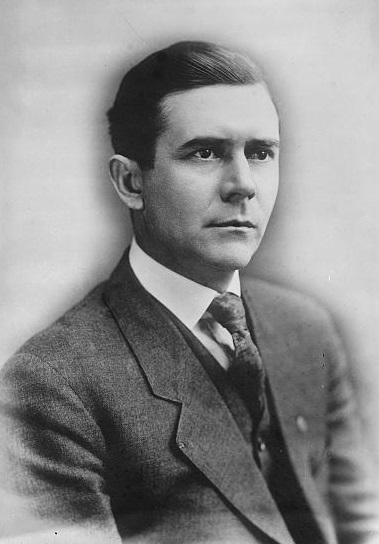
Historical · U.S. House · Missouri · At-Large
Jacob Milligan
Former U.S. Representative · Missouri At-Large · 1919–1935 · Democratic
Jacob Milligan represented Missouri's At-Large in the United States House of Representatives (1919–1935) for the Democratic party. The page below collects sourced biographical facts, term history, committee roles, and provenance for Milligan.
Bioguide ID: M000766
Key facts
- Full name
- Jacob Milligan
- State
- Missouri
- District
- At-Large
- Party
- Democratic
- House service
- 1919–1935
- First House term
- 1919
- Status
- Left office
- Current term ends
- —
- Born
- 1889
- Bioguide ID
- M000766
- Committee assignments
- —
- Dataset version
- 1.20260606
Biographical narrative
1,023 words · sourced from the Wikipedia REST extract
Jacob Milligan was a prominent figure in early 20th-century American politics, serving as a U.S. Representative from Missouri. A member of the Democratic Party, Milligan's congressional career spanned multiple terms, during which he engaged in legislative activities that reflected the interests of his constituents. His life was marked by a commitment to public service, both in military and political arenas, and he played a significant role in the political landscape of Missouri during his time in office.
Early life and career
Jacob Le Roy Milligan was born on March 9, 1889, in Richmond, Missouri. He grew up in a community that would later become the base of his political career. Milligan's education began in the public schools of Richmond, where he likely developed a foundational understanding of civic engagement and community involvement. He pursued higher education at the University of Missouri, attending the law department from 1910 to 1914. This academic background equipped him with the legal knowledge and skills that would later serve him in his professional and political endeavors.
After completing his studies, Milligan was admitted to the bar in 1913, allowing him to commence his legal practice in Richmond in 1914. His early career as an attorney provided him with insights into the legal challenges faced by his community, as well as the broader societal issues of the time. Milligan's legal work would later inform his legislative priorities and actions during his time in Congress.
With the onset of World War I, Milligan demonstrated his commitment to service by enlisting in the Sixth Regiment of the Missouri Infantry on April 8, 1917. His military service was significant, as he rose to the rank of captain in Company G of the One Hundred and Fortieth Infantry Regiment, which was part of the Thirty-fifth Division. Milligan's service extended from August 4, 1917, until May 15, 1919, during which he earned commendations for his bravery, including the Purple Heart and the Silver Star. His military experience not only shaped his character but also influenced his perspectives on national defense and veterans' affairs, issues that would resonate throughout his political career.
Upon returning from military service on April 28, 1919, Milligan transitioned back into civilian life and quickly entered the political arena. He was elected to the Sixty-sixth Congress to fill a vacancy created by the resignation of Joshua W. Alexander. Milligan's initial term began on February 14, 1920, and he served until March 3, 1921. Although he was not successful in his bid for reelection in 1920 to the Sixty-seventh Congress, this early experience in Congress laid the groundwork for his future political endeavors.
House tenure
Following his initial term, Milligan remained active in the Democratic Party and continued to build his political profile. He was elected to the Sixty-eighth Congress and subsequently served in five additional Congresses, with his tenure spanning from March 4, 1923, to January 3, 1935. Throughout these years, Milligan represented Missouri's at-large congressional district, a position that required him to address a wide array of issues affecting his constituents across the state.
During his time in the House of Representatives, Milligan was involved in various legislative activities and initiatives. His experience as a lawyer and a veteran likely informed his approach to legislation, particularly in areas related to legal reform, veterans' affairs, and social issues. Milligan's ability to navigate the complexities of Congress and advocate for his constituents was a hallmark of his tenure.
In addition to his legislative responsibilities, Milligan participated in the Democratic National Convention as a delegate in 1928. This involvement signified his active engagement in the broader political landscape and his commitment to the principles of the Democratic Party. His participation in the convention also provided him with opportunities to network with other political leaders and influence party policies.
Despite his successes, Milligan faced challenges in his political career. He chose not to seek renomination in 1934 and instead pursued a nomination for the United States Senate. However, he was unsuccessful in this endeavor, losing to Harry S. Truman, who would later become President of the United States. Milligan's brother, Maurice M. Milligan, also entered the political fray, challenging Truman in the Democratic primary for the Senate seat in 1940, indicating a family legacy of political involvement.
Legislative focus and committees
Throughout his congressional career, Jacob Milligan's legislative focus reflected the needs and interests of his constituents in Missouri. While specific details about the bills he sponsored or supported are not provided, it can be inferred that his background as a lawyer and a veteran influenced his legislative priorities. Issues such as veterans' benefits, legal reform, and social welfare likely resonated with him and were areas where he sought to make an impact.
Milligan's service on various committees would have further shaped his legislative agenda. Committees play a crucial role in the legislative process, allowing members to specialize in specific areas of policy. While the exact committees on which Milligan served are not detailed in the available information, it is common for representatives to be involved in committees that align with their professional expertise and the interests of their constituents. Given his legal background, he may have served on committees related to judiciary matters or those addressing issues pertinent to veterans.
After concluding his congressional service in 1935, Milligan returned to his legal practice, where he continued to contribute to his community. His experience in Congress likely enhanced his legal career, as he brought a wealth of knowledge about the legislative process and public policy to his practice. In addition to his legal work, Milligan took on a leadership role as the president of the Kansas City Police Board from 1949 to 1950, further demonstrating his commitment to public service and community engagement.
Jacob Milligan passed away on March 9, 1951, in Kansas City, Missouri, on what would have been his sixty-second birthday. His contributions to Missouri politics and his service to his country during World War I left a lasting legacy. He was interred in Fairview Cemetery in Liberty, Missouri, where he is remembered for his dedication to public service and the impact he made during his time in office.
Notable legislation
Sponsored and co-sponsored legislation for Jacob Milligan is pending operator curation. The biographical narrative above carries the same provenance trail until per-bill rows are written.
Sources
- [1]https://en.wikipedia.org/wiki/Jacob_L._MilliganWikipedia · retrieved 2026-06-06
Notable quotes
Sourced quotes for Jacob Milligan are pending operator curation. Narrative-scope provenance remains attached below.
Sources
- [1]https://en.wikipedia.org/wiki/Jacob_L._MilliganWikipedia · retrieved 2026-06-06
Key positions
Curated policy positions for Jacob Milligan are pending operator review. The biographical narrative above carries the same provenance trail until per-topic positions are written.
Sources
- [1]https://en.wikipedia.org/wiki/Jacob_L._MilliganWikipedia · retrieved 2026-06-06
Terms served
- 1919–1921U.S. House · Term 1 · Democratic
- 1923–1925U.S. House · Term 2 · Democratic
- 1925–1927U.S. House · Term 3 · Democratic
- 1927–1929U.S. House · Term 4 · Democratic
- 1929–1931U.S. House · Term 5 · Democratic
- 1931–1933U.S. House · Term 6 · Democratic
- 1933–1935U.S. House · Term 7 · Democratic
Sources & provenance
Every attributable claim above carries a per-section [N] marker that resolves to the corresponding URL below. Each entry records the upstream provider, the canonical URL, and the timestamp at which the source was retrieved by the ingest pipeline.
Key facts
- https://bioguide.congress.gov/search/bio/M000766bioguide · retrieved 2026-06-06
- https://www.govtrack.us/congress/members/407744govtrack · retrieved 2026-06-06
Biographical narrative
- https://en.wikipedia.org/wiki/Jacob_L._Milliganwikipedia · retrieved 2026-06-06
Find your representative
Every U.S. state elects representatives by district. Browse Missouri’s delegation, the full former-representative roster, or explore the role and term length.
Related on The Candidate
- Preceded by James BurnesEarlier holder of the Missouri At-Large House seat · Democratic.Open
- Anthony IttnerFormer U.S. Representative · Missouri District 1 · RepublicanOpen
- Bill Clay Sr.Former U.S. Representative · Missouri District 1 · DemocraticOpen
- Charles ClarkFormer U.S. Representative · Missouri District 1 · RepublicanOpen
- Clare MageeFormer U.S. Representative · Missouri District 1 · DemocraticOpen
- Democratic PartyFederal candidates and office holders on the Democratic line.Open