
Historical · U.S. House · North Carolina · District 3
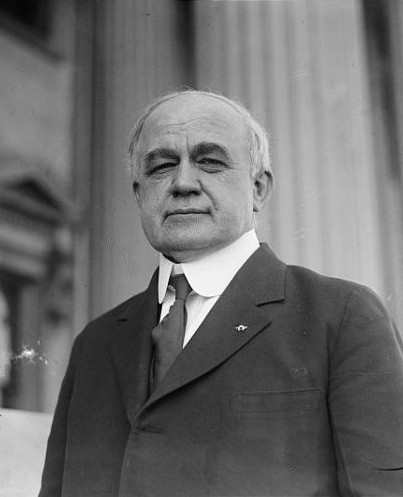
Charles Abernethy
Former U.S. Representative · North Carolina District 3 · 1921–1935 · Democratic
Charles Abernethy represented North Carolina's District 3 in the United States House of Representatives (1921–1935) for the Democratic party. The page below collects sourced biographical facts, term history, committee roles, and provenance for Abernethy.
Bioguide ID: A000015
Key facts
- Full name
- Charles Abernethy
- State
- North Carolina
- District
- District 3
- Party
- Democratic
- House service
- 1921–1935
- First House term
- 1921
- Status
- Left office
- Current term ends
- —
- Born
- 1872
- Bioguide ID
- A000015
- Committee assignments
- —
- Dataset version
- 1.20260606
Biographical narrative
1,030 words · sourced from the Wikipedia REST extract
Charles Abernethy was a prominent Democratic politician who served as a U.S. Representative for North Carolina's 3rd congressional district from 1922 until 1935. His political career spanned over a decade during a transformative period in American history, marked by significant social and economic changes. Abernethy was born on March 18, 1872, in Rutherford College, North Carolina, and his early life and career laid the foundation for his later political endeavors. He was known for his legal background and his active involvement in local politics, which ultimately led to his election to Congress.
Early life and career
Charles Laban Abernethy was born in Rutherford College, a small community in North Carolina, where he received his early education in local public schools. His formative years in this environment likely influenced his later commitment to public service and community engagement. In 1893, Abernethy relocated to Beaufort, North Carolina, where he embarked on a career in journalism by founding the Beaufort Herald newspaper. This venture not only provided him with a platform to express his views but also helped him establish connections within the community that would prove beneficial in his future political career.
In pursuit of a legal career, Abernethy attended the University of North Carolina at Chapel Hill, where he studied law. He was admitted to the bar in 1895, marking the beginning of his professional legal practice in Beaufort. His legal expertise would later serve him well in his political career. Abernethy quickly gained recognition in the legal community and was appointed as the solicitor for the third judicial circuit, a position he held for twelve years. During this time, he developed a reputation as a competent and dedicated attorney.
In addition to his legal work, Abernethy was actively involved in the North Carolina Democratic Party. He served on the executive committee of the party from 1898 to 1900, contributing to the political landscape of the state during a period of significant change. His involvement in local politics and his legal background positioned him as a suitable candidate for higher office in the future.
In 1913, Abernethy moved to New Bern, North Carolina, where he continued his legal practice. This relocation allowed him to expand his professional network and further engage with the community. His growing influence in the region set the stage for his entry into national politics.
House tenure
Abernethy's political career at the federal level began in 1922 when he was elected to the U.S. House of Representatives in a special election. This election was necessitated by the death of the incumbent representative, Samuel M. Brinson. Abernethy's victory marked the start of a significant tenure in Congress, where he would serve a total of seven terms until January 3, 1935. His initial election was a pivotal moment, as it allowed him to represent the interests of North Carolinians at the national level.
During his time in the House, Abernethy was re-elected five additional times, demonstrating his ability to maintain the support of his constituents. His tenure coincided with a period of considerable change in the United States, including the aftermath of World War I and the onset of the Great Depression. These events shaped the legislative priorities of Congress and influenced Abernethy's work as a representative.
As a member of the House, Abernethy participated in various legislative initiatives and debates that addressed the pressing issues of his time. His experience as a lawyer likely informed his approach to legislation, as he sought to advocate for policies that would benefit his constituents and the broader public. Abernethy's tenure in Congress was marked by a commitment to addressing the needs of his district, which included advocating for economic recovery measures during the Great Depression.
Despite his successful political career, Abernethy faced challenges in his later years in office. In 1934, he was defeated in his bid for re-election, concluding his time in Congress. After leaving office, he returned to his legal practice, where he continued to work until his retirement in 1938. His departure from Congress marked the end of a significant chapter in his life, but his contributions to North Carolina's political landscape remained influential.
Legislative focus and committees
Throughout his congressional career, Abernethy was involved in various legislative issues that reflected the concerns of his constituents and the broader national context. While specific details about the bills he sponsored or the committees he served on are not provided, it can be inferred that his legal background and experience as a solicitor informed his legislative priorities. As a representative from North Carolina, Abernethy likely focused on issues pertinent to his district, including economic development, infrastructure, and social welfare programs.
The period during which Abernethy served was characterized by significant economic challenges, particularly with the onset of the Great Depression. As a member of Congress during this tumultuous time, he would have been engaged in discussions surrounding economic recovery efforts and social safety nets. His role in these legislative efforts would have been critical as the nation sought to navigate the complexities of the economic crisis.
Abernethy's involvement in the Democratic Party and his legal expertise likely positioned him as a voice for the interests of North Carolinians in Congress. His ability to connect with constituents and advocate for their needs would have been essential in shaping his legislative agenda. While specific committee assignments are not detailed, it is common for representatives to serve on committees that align with their interests and the needs of their districts. Abernethy's legal background may have led him to participate in committees focused on judiciary matters or economic issues.
After his departure from Congress, Abernethy continued to be active in his community and remained engaged in legal practice until his retirement in 1938. He passed away on February 23, 1955, in New Bern, North Carolina, and was laid to rest in Cedar Grove Cemetery. His legacy as a public servant and a member of the North Carolina Democratic Party endures, and he is remembered for his contributions to the political landscape of the state. Furthermore, Abernethy was related to Arthur Talmage Abernethy, who served as North Carolina's first Poet Laureate, highlighting a familial connection to the cultural history of the state.
Notable legislation
Sponsored and co-sponsored legislation for Charles Abernethy is pending operator curation. The biographical narrative above carries the same provenance trail until per-bill rows are written.
Sources
- [1]https://en.wikipedia.org/wiki/Charles_Laban_AbernethyWikipedia · retrieved 2026-06-06
Notable quotes
Sourced quotes for Charles Abernethy are pending operator curation. Narrative-scope provenance remains attached below.
Sources
- [1]https://en.wikipedia.org/wiki/Charles_Laban_AbernethyWikipedia · retrieved 2026-06-06
Key positions
Curated policy positions for Charles Abernethy are pending operator review. The biographical narrative above carries the same provenance trail until per-topic positions are written.
Sources
- [1]https://en.wikipedia.org/wiki/Charles_Laban_AbernethyWikipedia · retrieved 2026-06-06
Terms served
- 1921–1923U.S. House · Term 1 · Democratic
- 1923–1925U.S. House · Term 2 · Democratic
- 1925–1927U.S. House · Term 3 · Democratic
- 1927–1929U.S. House · Term 4 · Democratic
- 1929–1931U.S. House · Term 5 · Democratic
- 1931–1933U.S. House · Term 6 · Democratic
- 1933–1935U.S. House · Term 7 · Democratic
Sources & provenance
Every attributable claim above carries a per-section [N] marker that resolves to the corresponding URL below. Each entry records the upstream provider, the canonical URL, and the timestamp at which the source was retrieved by the ingest pipeline.
Key facts
- https://bioguide.congress.gov/search/bio/A000015bioguide · retrieved 2026-06-06
- https://www.govtrack.us/congress/members/400677govtrack · retrieved 2026-06-06
Biographical narrative
- https://en.wikipedia.org/wiki/Charles_Laban_Abernethywikipedia · retrieved 2026-06-06
Find your representative
Every U.S. state elects representatives by district. Browse North Carolina’s delegation, the full former-representative roster, or explore the role and term length.
Related on The Candidate
- Preceded by George HoodEarlier holder of the North Carolina District 3 House seat · Democratic.Open
- Succeeded by Graham BardenLater holder of the North Carolina District 3 House seat · Democratic.Open
- Alfred GatlinFormer U.S. Representative · North Carolina District 1 · Crawford RepublicanOpen
- Clinton CobbFormer U.S. Representative · North Carolina District 1 · RepublicanOpen
- Eva ClaytonFormer U.S. Representative · North Carolina District 1 · DemocraticOpen
- Frank Ballance Jr.Former U.S. Representative · North Carolina District 1 · DemocraticOpen