
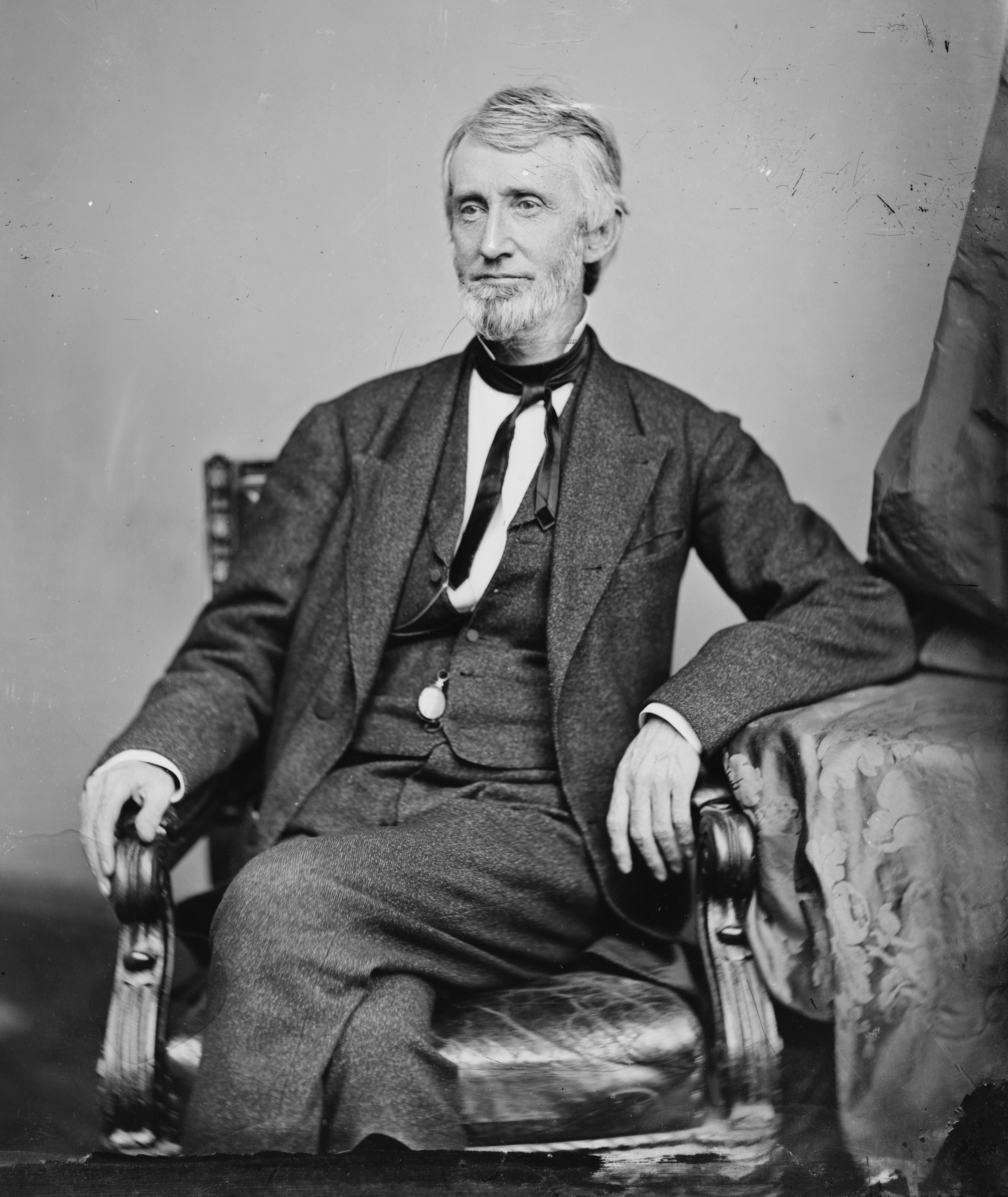
Historical · U.S. House · New York · District 3
John Smith
Former U.S. Representative · New York District 3 · 1881–1883 · Independent
John Smith represented New York's District 3 in the United States House of Representatives (1881–1883) for the Independent party. The page below collects sourced biographical facts, term history, committee roles, and provenance for Smith.
Bioguide ID: S000571
Key facts
- Full name
- John Smith
- State
- New York
- District
- District 3
- Party
- Independent
- House service
- 1881–1883
- First House term
- 1881
- Status
- Left office
- Current term ends
- —
- Born
- 1824
- Bioguide ID
- S000571
- Committee assignments
- —
- Dataset version
- 1.20260606
Biographical narrative
1,032 words · sourced from the Wikipedia REST extract
John Smith was a notable figure in American politics during the late 19th century, serving as a U.S. Representative for New York's 3rd congressional district. An Independent, Smith's tenure in the House of Representatives spanned from 1881 to 1883. His background as a minister and his involvement in various civic duties shaped his approach to governance and public service. Born in 1824, Smith's life was marked by a commitment to both his faith and his community, culminating in a career that bridged religious leadership and political representation.
Early life and career
John Smith was born on April 10, 1824, in Saratoga, New York. He was raised in a family that valued education and religious instruction, receiving early teachings from his father. This foundational education set the stage for his later pursuits in both theology and public service. After his initial schooling, Smith took on various roles that would further his professional development. He worked as a clerk in Detroit, Michigan, where he gained experience in administrative tasks and public interactions. Following this, he returned to New York, where he served as a bank clerk in Albany. It was during this period that he began to study theology, indicating a deepening commitment to his faith and a desire to serve in a religious capacity.
In 1848, Smith was ordained as a minister, marking the beginning of a long and varied pastoral career. His first pastorate was in Poughkeepsie, New York, where he began to establish his reputation as a religious leader. After a few years, he moved to Cleveland, Ohio, where he served for three years, further honing his skills in ministry and community leadership. Smith's journey continued as he took on pastoral roles in Buffalo, New York, from 1855 to 1860, and later in Philadelphia from 1860 to 1866. His time in these cities allowed him to engage with diverse communities and address the spiritual needs of his congregants.
Smith's commitment to service extended beyond his pastoral duties, especially during the Civil War. In 1862, he served with the United States Christian Commission in Virginia, a role that involved providing spiritual support and assistance to soldiers during a time of national crisis. His dedication to the well-being of those serving in the military was further exemplified when he became the chaplain of the Forty-seventh Regiment of the National Guard of New York in 1869. This position allowed him to continue his service to both God and country, reinforcing his reputation as a leader dedicated to the welfare of his community and the nation.
After his military service, Smith returned to his ministerial duties in Brooklyn, New York, where he continued to serve until 1880. His experiences in various cities and his involvement in the Civil War likely influenced his perspectives on governance and community service, preparing him for his eventual foray into politics.
House tenure
In 1881, John Smith transitioned from religious leadership to political office when he was elected as an Independent to the United States House of Representatives. He represented New York's 3rd congressional district, a position that allowed him to influence legislation and advocate for the needs of his constituents. His congressional term began on March 4, 1881, and he served until March 3, 1883. During this time, Smith was part of the Forty-seventh Congress, a period marked by significant political and social changes in the United States.
As an Independent, Smith's political stance was characterized by a degree of flexibility, allowing him to align with various issues and constituents without being strictly bound to a party platform. This independence may have appealed to voters looking for representation that transcended traditional party lines. His background as a minister likely informed his approach to political issues, emphasizing moral considerations and community welfare in his legislative priorities.
During his time in Congress, Smith participated in the legislative process, contributing to discussions and decisions that shaped national policy. Although specific details regarding his legislative actions are not provided, his role as a representative would have involved engaging with fellow lawmakers, advocating for his district's interests, and addressing the pressing issues of the day. His experience in pastoral leadership may have equipped him with skills in public speaking, negotiation, and community engagement, all of which are essential for effective governance.
Following his congressional term, Smith continued to be active in public service. He was appointed by President Chester A. Arthur as a commissioner to inspect the Pacific Railroad, a role that involved oversight and evaluation of one of the nation's critical infrastructure projects. This appointment reflects the trust placed in him to contribute to significant national initiatives even after his time in the House of Representatives.
Legislative focus and committees
While specific details about the committees Smith served on during his congressional tenure are not documented, it can be inferred that his background in ministry and community service would have influenced his legislative focus. As a representative from New York, he likely addressed issues pertinent to his constituents, including economic development, social welfare, and infrastructure improvements. His experiences in various cities and his pastoral work would have provided him with insights into the challenges faced by urban populations, including those related to housing, education, and public health.
Smith's independent political stance may have allowed him to engage with a range of issues from multiple perspectives, fostering collaboration across party lines. His commitment to community welfare, shaped by his years of pastoral service, likely guided his legislative priorities, emphasizing the importance of moral and ethical considerations in policymaking.
In summary, John Smith's life and career reflect a unique blend of religious leadership and political service. His experiences as a minister, coupled with his commitment to community and national service, shaped his approach to governance during his time in the U.S. House of Representatives. Although his congressional tenure was relatively brief, it was marked by a dedication to the principles of service and advocacy for the needs of his constituents. After leaving Congress, Smith returned to his pastoral duties in Brooklyn, where he continued to contribute to his community until his death in 1886. His legacy is one of service, reflecting the interconnectedness of faith and public life in the 19th century.
Notable legislation
Sponsored and co-sponsored legislation for John Smith is pending operator curation. The biographical narrative above carries the same provenance trail until per-bill rows are written.
Sources
- [1]https://en.wikipedia.org/wiki/J._Hyatt_SmithWikipedia · retrieved 2026-06-06
Notable quotes
Sourced quotes for John Smith are pending operator curation. Narrative-scope provenance remains attached below.
Sources
- [1]https://en.wikipedia.org/wiki/J._Hyatt_SmithWikipedia · retrieved 2026-06-06
Key positions
Curated policy positions for John Smith are pending operator review. The biographical narrative above carries the same provenance trail until per-topic positions are written.
Sources
- [1]https://en.wikipedia.org/wiki/J._Hyatt_SmithWikipedia · retrieved 2026-06-06
Terms served
- 1881–1883U.S. House · Term 1 · Independent
Sources & provenance
Every attributable claim above carries a per-section [N] marker that resolves to the corresponding URL below. Each entry records the upstream provider, the canonical URL, and the timestamp at which the source was retrieved by the ingest pipeline.
Key facts
- https://bioguide.congress.gov/search/bio/S000571bioguide · retrieved 2026-06-06
- https://www.govtrack.us/congress/members/410053govtrack · retrieved 2026-06-06
Biographical narrative
- https://en.wikipedia.org/wiki/J._Hyatt_Smithwikipedia · retrieved 2026-06-06
Find your representative
Every U.S. state elects representatives by district. Browse New York’s delegation, the full former-representative roster, or explore the role and term length.
Related on The Candidate
- Preceded by Simeon ChittendenEarlier holder of the New York District 3 House seat · Republican.Open
- Succeeded by Darwin JamesLater holder of the New York District 3 House seat · Republican.Open
- Abel HuntingtonFormer U.S. Representative · New York District 1 · JacksonOpen
- Alfred ChapinFormer U.S. Representative · New York District 1 · DemocraticOpen
- Cadwallader ColdenFormer U.S. Representative · New York District 1 · FederalistOpen
- Charles FloydFormer U.S. Representative · New York District 1 · DemocraticOpen