
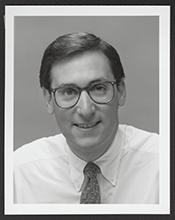
Historical · U.S. House · Ohio · District 19
Eric Fingerhut
Former U.S. Representative · Ohio District 19 · 1993–1995 · Democratic
Eric Fingerhut represented Ohio's District 19 in the United States House of Representatives (1993–1995) for the Democratic party. The page below collects sourced biographical facts, term history, committee roles, and provenance for Fingerhut.
Bioguide ID: F000128
Key facts
- Full name
- Eric Fingerhut
- State
- Ohio
- District
- District 19
- Party
- Democratic
- House service
- 1993–1995
- First House term
- 1993
- Status
- Left office
- Current term ends
- —
- Born
- 1959
- Bioguide ID
- F000128
- Committee assignments
- —
- Dataset version
- 1.20260605
Biographical narrative
912 words · sourced from the Wikipedia REST extract
Eric D. Fingerhut is an American politician, attorney, and academic administrator who served as a U.S. Representative for Ohio's 19th congressional district from 1993 to 1995. A member of the Democratic Party, Fingerhut's political career includes various roles in education and community leadership, culminating in his position as the president and CEO of the Jewish Federations of North America. His tenure in public service is marked by a commitment to educational initiatives and community engagement, particularly within the Jewish community.
Early life and career
Eric David Fingerhut was born on May 6, 1959. He pursued higher education, earning a degree from a prestigious institution, which laid the groundwork for his future career in law and politics. Before entering the political arena, Fingerhut worked as an attorney, gaining valuable experience that would inform his legislative work. His early career also included significant involvement in educational administration, which would become a central theme in his professional life.
In the late 1980s, Fingerhut began his political career by serving in the Ohio State Senate. His time in the state legislature allowed him to develop a deep understanding of the political landscape in Ohio and to build relationships that would be beneficial in his future endeavors. His work in the Senate focused on various issues, including education and community development, reflecting his commitment to public service and civic engagement.
Fingerhut's political journey took a significant turn when he was elected to the U.S. House of Representatives in 1992. He represented Ohio's 19th congressional district, a position that provided him with a platform to influence national policy. His election was part of a broader Democratic wave during that election cycle, which saw many new members join Congress. Fingerhut's tenure in the House, although brief, was characterized by his dedication to his constituents and his focus on legislative issues that impacted the state of Ohio.
House tenure
Eric Fingerhut's term in the U.S. House of Representatives began in 1993 and concluded in 1995. During this time, he was involved in various legislative initiatives and discussions that aimed to address the needs of his district and the broader American public. His service in Congress was marked by a commitment to representing the interests of his constituents, particularly in areas related to education and community development.
As a member of the House, Fingerhut participated in debates and discussions on a range of issues, including education reform, economic development, and social services. His background in law and education informed his approach to these topics, allowing him to advocate effectively for policies that would benefit his district. While in office, he worked to build coalitions with fellow lawmakers, seeking bipartisan support for initiatives that aligned with his goals.
Fingerhut's time in Congress was also marked by the challenges that many new representatives face, including navigating the complexities of federal legislation and building a reputation within the House. Despite these challenges, he remained focused on his mission to serve the people of Ohio, advocating for policies that would improve the quality of life for his constituents.
After serving one term in the House, Fingerhut did not seek re-election, and his congressional career concluded on January 3, 1995. His departure from Congress did not mark the end of his public service; rather, it set the stage for his subsequent roles in education and community leadership.
Legislative focus and committees
During his time in the U.S. House of Representatives, Eric Fingerhut's legislative focus was primarily on education and community development. His background as an attorney and educator informed his approach to policy-making, and he sought to address the pressing issues facing his constituents in Ohio. Fingerhut's commitment to education was evident in his advocacy for initiatives aimed at improving educational opportunities and resources for students.
Fingerhut's work in the House included participation in various committees that aligned with his interests and expertise. These committees provided him with the opportunity to engage in discussions and debates on critical issues, allowing him to contribute to the legislative process effectively. His involvement in these committees was instrumental in shaping his understanding of federal policies and their impact on local communities.
In addition to his focus on education, Fingerhut also addressed broader social issues that affected his constituents. He recognized the importance of economic development and worked to support policies that would foster growth and opportunity in Ohio. His legislative efforts were guided by a desire to create a positive impact on the lives of those he represented.
After leaving Congress, Fingerhut continued to be active in public service, taking on leadership roles in various organizations. His experience in the House laid the foundation for his later work as the Chancellor of the Ohio Board of Regents and as the president and CEO of Hillel International. These positions allowed him to further his commitment to education and community engagement, reflecting the values that guided his earlier political career.
In summary, Eric D. Fingerhut's tenure as a U.S. Representative was characterized by a focus on education and community development, shaped by his background as an attorney and educator. His legislative efforts aimed to address the needs of his constituents and improve the quality of life in Ohio. Although his time in Congress was brief, it was a significant chapter in a career dedicated to public service and community leadership. Following his congressional service, Fingerhut continued to influence the educational landscape and the Jewish community through various leadership roles, demonstrating his ongoing commitment to civic engagement and advocacy.
Notable legislation
Sponsored and co-sponsored legislation for Eric Fingerhut is pending operator curation. The biographical narrative above carries the same provenance trail until per-bill rows are written.
Sources
- [1]https://en.wikipedia.org/wiki/Eric_FingerhutWikipedia · retrieved 2026-06-05
Notable quotes
Sourced quotes for Eric Fingerhut are pending operator curation. Narrative-scope provenance remains attached below.
Sources
- [1]https://en.wikipedia.org/wiki/Eric_FingerhutWikipedia · retrieved 2026-06-05
Key positions
Curated policy positions for Eric Fingerhut are pending operator review. The biographical narrative above carries the same provenance trail until per-topic positions are written.
Sources
- [1]https://en.wikipedia.org/wiki/Eric_FingerhutWikipedia · retrieved 2026-06-05
Terms served
- 1993–1995U.S. House · Term 1 · Democratic
Sources & provenance
Every attributable claim above carries a per-section [N] marker that resolves to the corresponding URL below. Each entry records the upstream provider, the canonical URL, and the timestamp at which the source was retrieved by the ingest pipeline.
Key facts
- https://bioguide.congress.gov/search/bio/F000128bioguide · retrieved 2026-06-05
- https://www.govtrack.us/congress/members/404083govtrack · retrieved 2026-06-05
Biographical narrative
- https://en.wikipedia.org/wiki/Eric_Fingerhutwikipedia · retrieved 2026-06-05
Find your representative
Every U.S. state elects representatives by district. Browse Ohio’s delegation, the full former-representative roster, or explore the role and term length.
Related on The Candidate
- Preceded by Edward FeighanEarlier holder of the Ohio District 19 House seat · Democratic.Open
- Aaron PerryFormer U.S. Representative · Ohio District 1 · RepublicanOpen
- Alexander DuncanFormer U.S. Representative · Ohio District 1 · DemocraticOpen
- Bellamy StorerFormer U.S. Representative · Ohio District 1 · WhigOpen
- Bellamy StorerFormer U.S. Representative · Ohio District 1 · RepublicanOpen
- Democratic PartyFederal candidates and office holders on the Democratic line.Open