
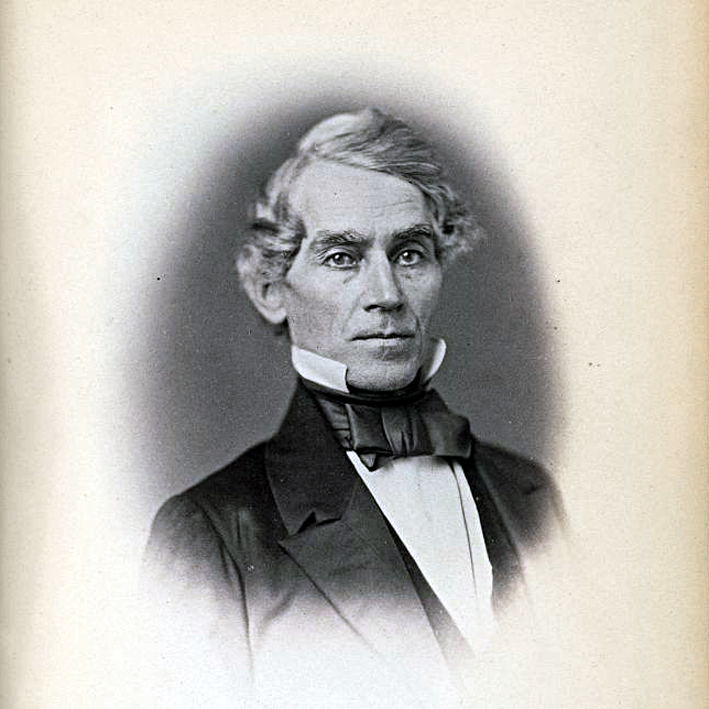
Historical · U.S. House · Pennsylvania · District 23
William Stewart
Former U.S. Representative · Pennsylvania District 23 · 1857–1861 · Republican
William Stewart represented Pennsylvania's District 23 in the United States House of Representatives (1857–1861) for the Republican party. The page below collects sourced biographical facts, term history, committee roles, and provenance for Stewart.
Bioguide ID: S000921
Key facts
- Full name
- William Stewart
- State
- Pennsylvania
- District
- District 23
- Party
- Republican
- House service
- 1857–1861
- First House term
- 1857
- Status
- Left office
- Current term ends
- —
- Born
- 1810
- Bioguide ID
- S000921
- Committee assignments
- —
- Dataset version
- 1.20260606
Biographical narrative
987 words · sourced from the Wikipedia REST extract
William Stewart was an American lawyer and politician who served as a Republican member of the U.S. House of Representatives from Pennsylvania. His political career spanned two terms in the House during the late 1850s and early 1860s. Stewart's legislative work occurred during a tumultuous period in American history, marked by significant social and political changes. After his time in Congress, he returned to his legal practice until his death in 1876.
Early life and career
William Stewart was born on September 10, 1810, in Mercer, Pennsylvania. His early education took place in the public schools of his hometown, where he laid the foundation for his future academic and professional pursuits. Stewart's commitment to education led him to Jefferson College, located in Canonsburg, Pennsylvania, where he completed his studies and graduated. The knowledge and skills he acquired during his time at college would later serve him well in his legal and political endeavors.
Following his graduation, Stewart pursued a career in law. He studied the intricacies of legal practice and was eventually admitted to the bar, allowing him to begin his legal career in Mercer. His work as a lawyer provided him with valuable experience and insights into the legal system, which would later inform his legislative work. Stewart's legal practice established him as a respected figure in his community, and he gained a reputation for his dedication to his clients and his understanding of the law.
In addition to his legal career, Stewart became involved in politics. He served as a member of the Pennsylvania State Senate, where he further developed his political acumen and understanding of governance. His experience in the state legislature helped to prepare him for a larger role in national politics, and he was recognized for his contributions to the legislative process at the state level.
House tenure
William Stewart's congressional career began when he was elected as a Republican to the Thirty-fifth Congress, which convened in 1857. He served two terms in the U.S. House of Representatives, with his first term beginning in 1857 and concluding with the end of his second term in 1861. During his time in Congress, Stewart was involved in various legislative initiatives and discussions that shaped the direction of the nation during a critical period leading up to the Civil War.
Stewart's tenure in the House was marked by his appointment as chair of the United States House Committee on Expenditures in the Department of War during the Thirty-sixth Congress. This role placed him in a significant position within the legislative framework, allowing him to oversee and influence matters related to military expenditures and the management of resources within the Department of War. His leadership on this committee reflected his commitment to fiscal responsibility and effective governance during a time when the nation was grappling with increasing tensions and the looming threat of conflict.
Throughout his time in the House, Stewart participated in the debates and discussions that characterized the political landscape of the era. The period was marked by deep divisions over issues such as slavery, states' rights, and the role of the federal government. As a member of the Republican Party, which was founded on anti-slavery principles, Stewart was part of a political movement that sought to address these pressing issues. His legislative contributions were part of a broader effort by the Republican Party to navigate the complexities of a nation on the brink of civil war.
Stewart's congressional career came to an end on March 3, 1861, when he completed his second term. Following his departure from the House, he returned to his legal practice in Mercer, where he continued to serve his community and engage in legal matters. His experience in Congress and his understanding of the law allowed him to provide valuable legal counsel to his clients.
Legislative focus and committees
During his time in the U.S. House of Representatives, William Stewart's legislative focus was influenced by the pressing issues of his time. As a member of the Republican Party, he aligned himself with the party's platform, which emphasized the importance of preserving the Union and addressing the moral and political challenges posed by slavery. His role as chair of the House Committee on Expenditures in the Department of War underscored his involvement in matters related to national defense and military spending, which were particularly relevant given the escalating tensions in the country.
Stewart's work on the committee involved oversight of expenditures related to the military, ensuring that funds were allocated effectively and responsibly. This position required a keen understanding of budgetary matters and the ability to navigate the complexities of government spending. His leadership in this area demonstrated his commitment to ensuring that the military was adequately funded while also being accountable to the taxpayers.
In addition to his committee work, Stewart participated in broader legislative discussions that addressed the challenges facing the nation. The political climate during his tenure was characterized by debates over the future of slavery, the rights of states, and the role of the federal government in addressing social issues. Stewart's contributions to these discussions reflected his commitment to the principles of the Republican Party and his belief in the necessity of a unified approach to governance.
After leaving Congress, Stewart returned to his legal practice, where he continued to apply the knowledge and experience he gained during his time in public office. His career in law and politics left a lasting impact on his community, and he remained a respected figure in Mercer until his death.
William Stewart passed away on October 17, 1876, in Mercer, Pennsylvania, at the age of sixty-six. His contributions to the legal and political landscape of his time are remembered as part of the broader narrative of American history during a period of significant change and upheaval. He was interred in Mercer Cemetery, where his legacy as a public servant and legal professional continues to be acknowledged.
Notable legislation
Sponsored and co-sponsored legislation for William Stewart is pending operator curation. The biographical narrative above carries the same provenance trail until per-bill rows are written.
Sources
- [1]https://en.wikipedia.org/wiki/William_Stewart_(Pennsylvania_politician)Wikipedia · retrieved 2026-06-06
Notable quotes
Sourced quotes for William Stewart are pending operator curation. Narrative-scope provenance remains attached below.
Sources
- [1]https://en.wikipedia.org/wiki/William_Stewart_(Pennsylvania_politician)Wikipedia · retrieved 2026-06-06
Key positions
Curated policy positions for William Stewart are pending operator review. The biographical narrative above carries the same provenance trail until per-topic positions are written.
Sources
- [1]https://en.wikipedia.org/wiki/William_Stewart_(Pennsylvania_politician)Wikipedia · retrieved 2026-06-06
Terms served
- 1857–1859U.S. House · Term 1 · Republican
- 1859–1861U.S. House · Term 2 · Republican
Sources & provenance
Every attributable claim above carries a per-section [N] marker that resolves to the corresponding URL below. Each entry records the upstream provider, the canonical URL, and the timestamp at which the source was retrieved by the ingest pipeline.
Key facts
- https://bioguide.congress.gov/search/bio/S000921bioguide · retrieved 2026-06-06
- https://www.govtrack.us/congress/members/410381govtrack · retrieved 2026-06-06
Biographical narrative
- https://en.wikipedia.org/wiki/William_Stewart_(Pennsylvania_politician)wikipedia · retrieved 2026-06-06
Find your representative
Every U.S. state elects representatives by district. Browse Pennsylvania’s delegation, the full former-representative roster, or explore the role and term length.
Related on The Candidate
- Preceded by John AllisonEarlier holder of the Pennsylvania District 23 House seat · Ind. Republican-Democrat.Open
- Succeeded by Thomas WilliamsLater holder of the Pennsylvania District 23 House seat · Republican.Open
- Adam SeybertFormer U.S. Representative · Pennsylvania District 1 · RepublicanOpen
- Benjamin SayFormer U.S. Representative · Pennsylvania District 1 · RepublicanOpen
- Chapman FreemanFormer U.S. Representative · Pennsylvania District 1 · RepublicanOpen
- Harry RansleyFormer U.S. Representative · Pennsylvania District 1 · RepublicanOpen