
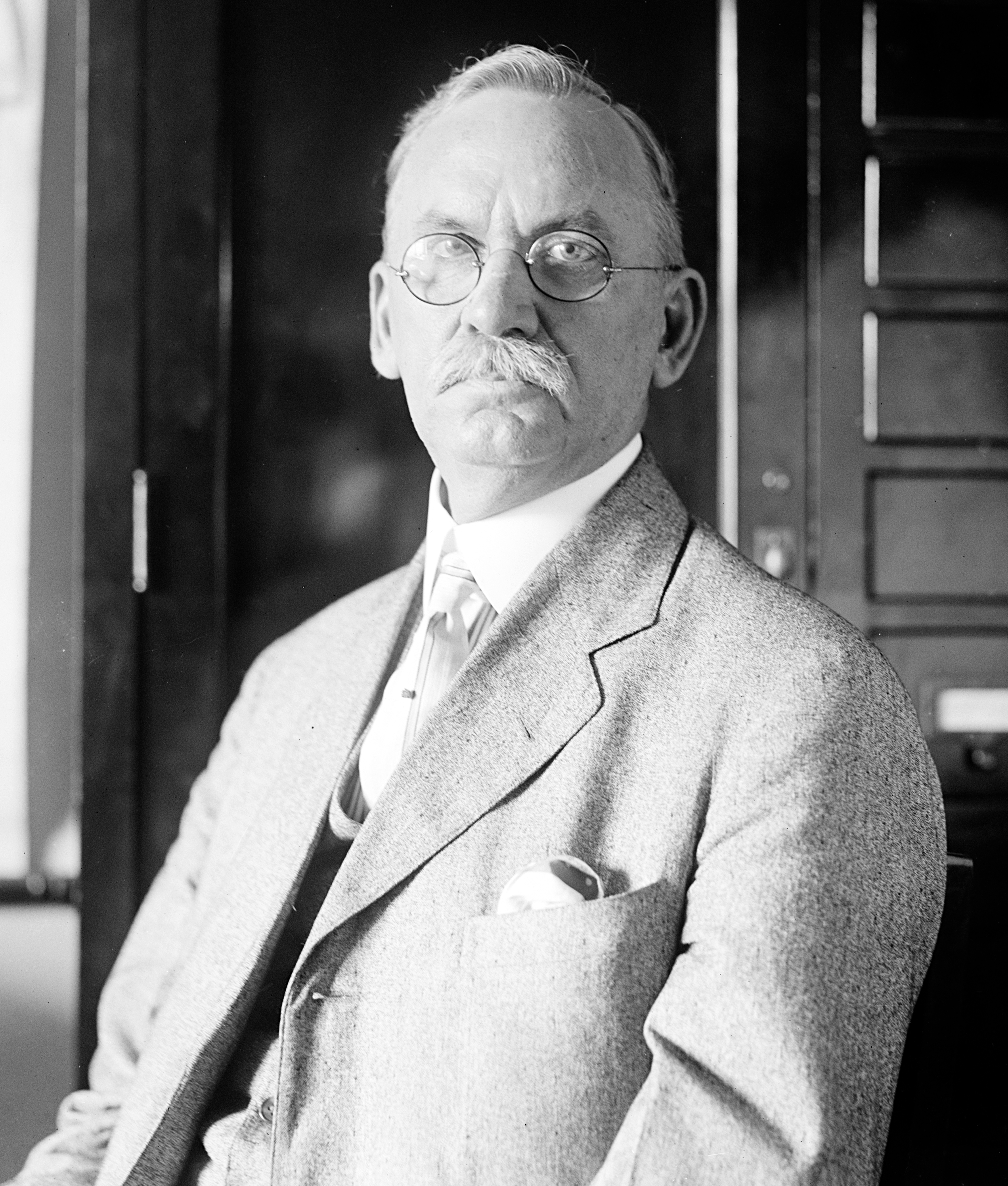
Historical · U.S. House · Pennsylvania · District 27
Nathan Strong
Former U.S. Representative · Pennsylvania District 27 · 1917–1935 · Republican
Nathan Strong represented Pennsylvania's District 27 in the United States House of Representatives (1917–1935) for the Republican party. The page below collects sourced biographical facts, term history, committee roles, and provenance for Strong.
Bioguide ID: S001015
Key facts
- Full name
- Nathan Strong
- State
- Pennsylvania
- District
- District 27
- Party
- Republican
- House service
- 1917–1935
- First House term
- 1917
- Status
- Left office
- Current term ends
- —
- Born
- 1859
- Bioguide ID
- S001015
- Committee assignments
- —
- Dataset version
- 1.20260606
Biographical narrative
926 words · sourced from the Wikipedia REST extract
Nathan Strong was a prominent Republican politician who served as a U.S. Representative for Pennsylvania's 27th congressional district. His political career spanned nearly two decades, during which he was elected to nine consecutive terms in the House of Representatives. Born in the late 19th century, Strong's early career included various roles in the railroad and legal sectors before he transitioned into politics. His tenure in Congress was marked by a commitment to his constituents and a focus on issues relevant to his district. After leaving office, he returned to his business pursuits until his passing in 1939.
Early life and career
Nathan Leroy Strong was born on November 12, 1859, in Troy, which is now known as Summerville, located in Jefferson County, Pennsylvania. His upbringing in this region would later influence his political career and community engagement. Strong began working at a young age, starting his professional journey as a telegraph operator and railroad agent from 1877 until 1894. This early experience in the transportation sector likely provided him with insights into the economic and infrastructural needs of his district, which would prove beneficial in his later political endeavors.
In pursuit of a more formal education, Strong studied law and was admitted to the bar in 1891. He began practicing law in Brookville, Pennsylvania, in 1893, where he established himself within the local legal community. His legal career was complemented by his service as the district attorney for Jefferson County from 1895 to 1900. This role not only enhanced his legal expertise but also allowed him to build a network within the political landscape of Pennsylvania, laying the groundwork for his future electoral success.
After his tenure as district attorney, Strong shifted his focus to the development of mineral lands in Jefferson and Armstrong Counties from 1901 to 1916. He took on a leadership role as the president of the Mohawk Mining Company, which underscored his involvement in the resource sector during a time when mining was a significant part of Pennsylvania's economy. In addition to his work in mining, Strong was engaged in banking, further diversifying his professional portfolio and establishing a reputation as a businessman in his community.
House tenure
Nathan Strong's political career in the U.S. House of Representatives began when he was elected as a Republican to the Sixty-fifth Congress. His first term commenced in 1917, and he would go on to serve in eight additional Congresses, totaling nine terms in the House. This extended period in office reflects both his electoral appeal and the trust placed in him by his constituents. Strong's ability to secure consecutive terms indicates a strong connection with the electorate and an alignment with the political values of his district.
Throughout his time in Congress, Strong was involved in various legislative initiatives and discussions pertinent to the interests of his constituents. While specific details of his legislative achievements are not provided, it is common for members of Congress during this era to have engaged in issues related to infrastructure, economic development, and social policies, particularly in the context of the post-World War I era and the Great Depression that followed.
Strong's political career faced challenges, particularly as the political landscape began to shift in the 1930s. He was an unsuccessful candidate for reelection in 1934, which marked the end of his nearly two-decade-long tenure in the House. Following his departure from Congress, Strong returned to his previous business activities, where he continued to engage with the economic issues of his community.
Legislative focus and committees
While specific details regarding Nathan Strong's legislative focus and committee assignments during his time in the House are not explicitly documented, it is reasonable to infer that his background in law, mining, and banking influenced his areas of interest and expertise. Representatives often align their legislative priorities with their professional experiences and the needs of their constituents. Given Strong's extensive involvement in the mining industry, it is likely that he advocated for policies that supported economic development, resource management, and infrastructure improvements in Pennsylvania.
As a member of the Republican Party during a transformative period in American history, Strong would have been part of broader discussions on national issues such as economic recovery, labor relations, and the role of government in regulating industries. The 1920s and 1930s were marked by significant changes in the American economy, and representatives from industrial states like Pennsylvania played crucial roles in shaping policies that addressed these challenges.
Strong's engagement in banking also suggests that he may have had insights into financial regulations and economic policies that could have influenced his legislative priorities. The banking sector was undergoing significant changes during his time in office, particularly in response to the economic turmoil of the Great Depression. Legislators were tasked with addressing the needs of their constituents while navigating the complexities of a rapidly changing economic landscape.
After leaving Congress, Nathan Strong continued to be involved in business, reflecting a common trajectory for politicians who return to their professional roots after public service. His death on December 14, 1939, in Brookville marked the end of a life dedicated to both public service and private enterprise. He was interred in Brookville Cemetery, where he remains a part of the local history of Jefferson County.
In summary, Nathan Strong's life and career encapsulate the journey of a local leader who transitioned from business and law to a significant role in national politics. His long tenure in the U.S. House of Representatives reflects both his commitment to his constituents and the evolving political landscape of early 20th-century America.
Notable legislation
Sponsored and co-sponsored legislation for Nathan Strong is pending operator curation. The biographical narrative above carries the same provenance trail until per-bill rows are written.
Sources
- [1]https://en.wikipedia.org/wiki/Nathan_L._StrongWikipedia · retrieved 2026-06-06
Notable quotes
Sourced quotes for Nathan Strong are pending operator curation. Narrative-scope provenance remains attached below.
Sources
- [1]https://en.wikipedia.org/wiki/Nathan_L._StrongWikipedia · retrieved 2026-06-06
Key positions
Curated policy positions for Nathan Strong are pending operator review. The biographical narrative above carries the same provenance trail until per-topic positions are written.
Sources
- [1]https://en.wikipedia.org/wiki/Nathan_L._StrongWikipedia · retrieved 2026-06-06
Terms served
- 1917–1919U.S. House · Term 1 · Republican
- 1919–1921U.S. House · Term 2 · Republican
- 1921–1923U.S. House · Term 3 · Republican
- 1923–1925U.S. House · Term 4 · Republican
- 1925–1927U.S. House · Term 5 · Republican
- 1927–1929U.S. House · Term 6 · Republican
- 1929–1931U.S. House · Term 7 · Republican
- 1931–1933U.S. House · Term 8 · Republican
- 1933–1935U.S. House · Term 9 · Republican
Sources & provenance
Every attributable claim above carries a per-section [N] marker that resolves to the corresponding URL below. Each entry records the upstream provider, the canonical URL, and the timestamp at which the source was retrieved by the ingest pipeline.
Key facts
- https://bioguide.congress.gov/search/bio/S001015bioguide · retrieved 2026-06-06
- https://www.govtrack.us/congress/members/410472govtrack · retrieved 2026-06-06
Biographical narrative
- https://en.wikipedia.org/wiki/Nathan_L._Strongwikipedia · retrieved 2026-06-06
Find your representative
Every U.S. state elects representatives by district. Browse Pennsylvania’s delegation, the full former-representative roster, or explore the role and term length.
Related on The Candidate
- Preceded by Solomon NorthEarlier holder of the Pennsylvania District 27 House seat · Republican.Open
- Succeeded by Joseph GrayLater holder of the Pennsylvania District 27 House seat · Democratic.Open
- Adam SeybertFormer U.S. Representative · Pennsylvania District 1 · RepublicanOpen
- Benjamin SayFormer U.S. Representative · Pennsylvania District 1 · RepublicanOpen
- Chapman FreemanFormer U.S. Representative · Pennsylvania District 1 · RepublicanOpen
- Harry RansleyFormer U.S. Representative · Pennsylvania District 1 · RepublicanOpen